Best Natural Supplements to Help You Sleep Better Tonight

Quick answer: Natural options such as melatonin, magnesium, valerian root, and L‑theanine can support sleep. Start with a low dose, take them about 30 minutes before bed, and combine with a calm routine. Effects vary, so listen to your body.↗ Share on X
Understanding Sleep Needs
 Nighttime Racing Mind: Why It Happens and How to Slow It Down →
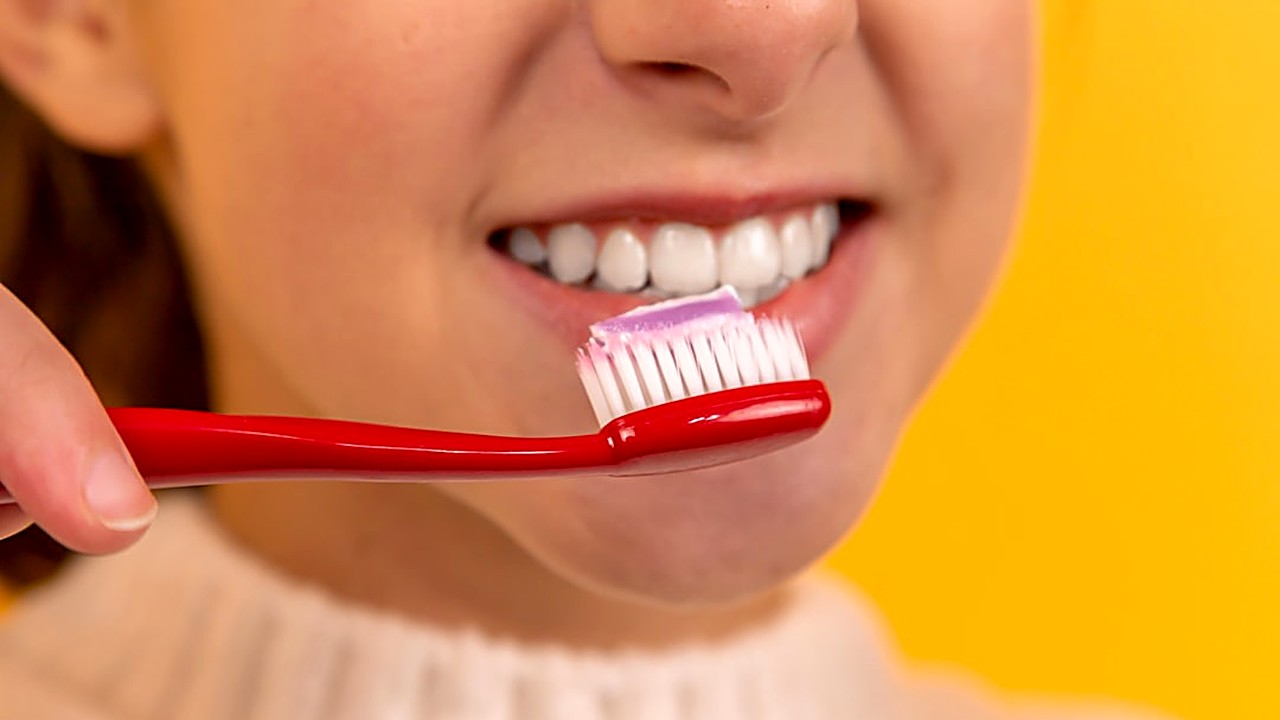 How to Use Baking Soda Safely to Reduce Gum Bleeding →
 Too Hot to Sleep? 9 Ways to Cool Down and Fall Asleep →
Most adults need about seven to nine hours of sleep each night. When the body does not get enough rest, the brain releases stress hormones that keep us awake. Simple changes, like dimming lights an hour before bed, can help the body prepare for sleep. In my own experience, turning off screens at 9 p.m. and reading a paper book made me feel more relaxed and ready for rest.
Simple health wins in your inbox. No hype.
Common Natural Supplements
Affiliate link. We may earn a commission on purchases, at no extra cost to you.
This content is informational and is not a substitute for medical advice. Supplements do not cure or treat diseases.
Melatonin
Melatonin is a hormone that the pineal gland makes when it gets dark. Supplements can raise blood levels and signal the body that it is night time. Studies show that a dose of 0.5 mg to 3 mg taken 30‑60 minutes before sleep may shorten the time it takes to fall asleep. The effect is strongest for people who travel across time zones or work night shifts.
Magnesium
Magnesium helps muscles relax and supports the nervous system. A typical dose is 200‑400 mg of magnesium citrate or glycinate taken in the evening. Some users report deeper sleep and fewer nighttime awakenings. The mineral also plays a role in the production of GABA, a calming neurotransmitter.
Valerian Root
Valerian is an herb that has been used for centuries to calm the mind. A common dose is 400‑900 mg of dried root extract taken 30 minutes before bed. Research suggests it may improve sleep quality, especially for people who feel anxious at night.
L‑Theanine
L‑theanine is an amino acid found in tea leaves. It promotes relaxation without causing drowsiness. A dose of 100‑200 mg in the evening can reduce racing thoughts and make it easier to drift off. It works well when paired with a light snack that contains a little protein.
Passionflower and Chamomile
Both herbs have mild calming effects. Passionflower extract (250‑500 mg) and chamomile tea (one cup) are popular bedtime drinks. They are low‑risk options for people who prefer a gentle approach.
How to Choose the Right One
 Can't Sleep at Night? 7 Checks to Make Before Trying Pills →
 Can't Sleep at Night? Check These 7 Things Before Pills →
 Waking Up at 3am Every Night? Here's Why It Happens →
1. Identify Your Main Issue – If you have trouble falling asleep, melatonin or L‑theanine may be helpful. If you wake up often, magnesium or valerian could be better.
2. Start Low, Go Slow – Begin with the smallest dose listed on the label. Increase only if you feel no effect after a week.
3. Check Interactions – Some supplements can affect blood pressure or blood sugar. Talk to a health professional if you take prescription medicines.
4. Look for Quality – Choose products that are third‑party tested for purity. Labels that list the exact amount of active ingredient are more reliable.
In my own routine, I tried a low dose of melatonin for three nights. I felt a subtle shift in my bedtime clock, but I still needed a calm environment. Adding a cup of chamomile tea made the change more noticeable.
Safe Use and Possible Side Effects
Natural does not mean risk‑free. Common side effects include:
- Melatonin: Drowsiness the next day, vivid dreams, or mild headache.
- Magnesium: Loose stools if taken in excess.
- Valerian: Slight dizziness or stomach upset.
- L‑theanine: Rarely, a feeling of light‑headedness.
If any symptom feels uncomfortable, stop the supplement and seek advice. Pregnant or nursing people should be especially careful and consult a professional before starting any new product.
Building a Nighttime Routine
Supplements work best when they are part of a broader habit plan. Try these steps:
1. Dim Lights – Reduce blue light exposure at least one hour before bed.
2. Warm Beverage – Sip a caffeine‑free tea, such as chamomile or peppermint.
3. Gentle Stretch – A short series of neck and shoulder rolls can release tension.
4. Mindful Breathing – Inhale for four counts, hold for four, exhale for six. Repeat three times.
5. Take the Supplement – Follow the label timing, usually 30 minutes before you plan to sleep.
When I added a brief breathing exercise to my nightly routine, I noticed that I fell asleep faster, even on nights when I felt stressed.
Disclaimer: This article is for general information only and is not medical or dental advice. Talk to a healthcare or dental professional about your situation.
Frequently asked questions
Can I take melatonin every night?
Melatonin can be used regularly, but many experts suggest using it only when needed, such as after travel or shift changes. Long‑term daily use should be discussed with a health professional.
Is magnesium safe for people with kidney problems?
People with kidney disease should be cautious, as excess magnesium may build up in the body. A doctor can advise the right dose or whether to avoid it.
What is the best time to take valerian root?
Valerian is usually taken 30 minutes before bedtime. Some people find it helpful to take it with a small snack to avoid stomach irritation.
Can I combine more than one supplement?
Combining supplements can be safe, but it may increase the chance of side effects. Start with one product, see how you feel, then consider adding another after consulting a professional.
Do natural supplements replace prescription sleep medication?
Natural supplements may support sleep, but they do not replace prescribed medicines. If you have a diagnosed sleep disorder, keep your doctor informed about any supplement you try.
*This article is for general information only and is not medical or dental advice. Talk to a healthcare or dental professional about your situation.*
Simple health wins in your inbox. No hype.
Educational content, not medical advice. Talk to your doctor before making health decisions.