Can Loud Concert Music Lead to Permanent Ear Ringing?
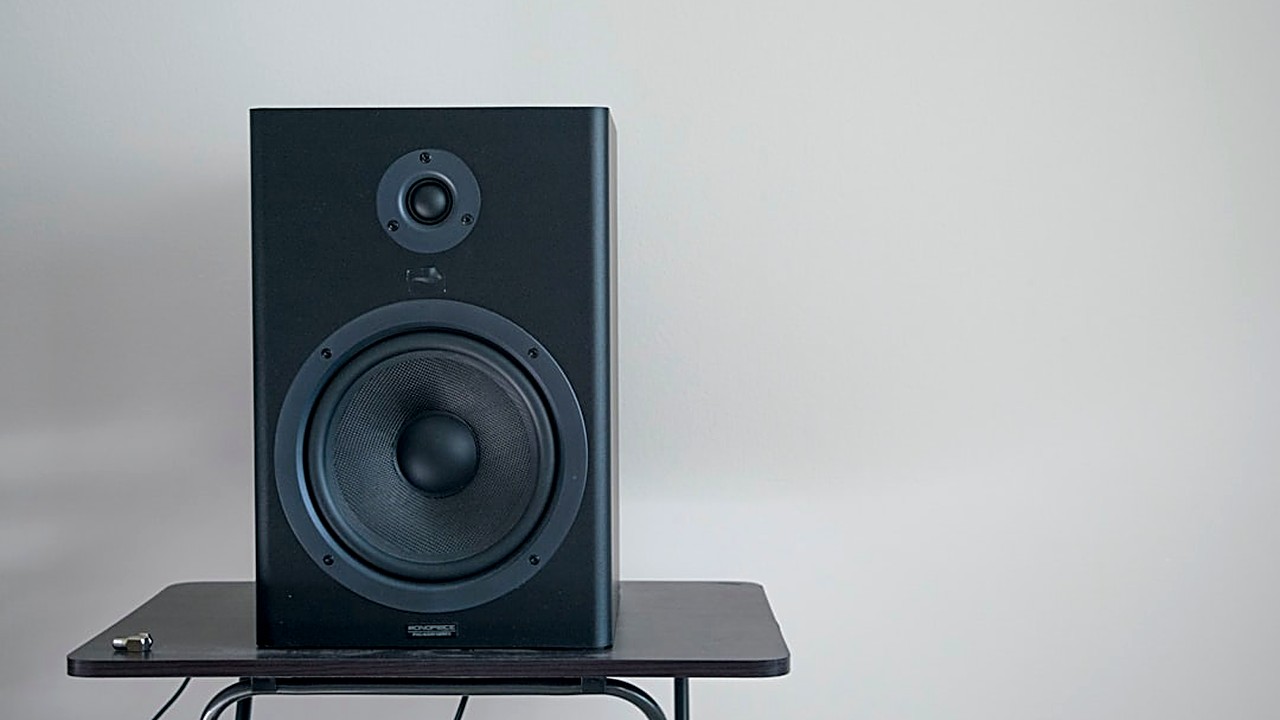
Quick answer: Loud music at concerts can sometimes cause permanent ear ringing, especially after repeated exposure. The risk depends on volume, duration, and personal sensitivity. Using ear protection and limiting time near speakers can lower the chance of lasting tinnitus.↗ Share on X
How Sound Affects the Inner Ear
 How Diabetes Impacts Gum Health and Simple Ways to Protect Them →
 Can Dehydration Cause Ringing in Ears and How to Prevent It? →
 Can Vitamin B12 Deficiency Cause Tinnitus? How to Test and What to Do →
When a speaker pushes out a loud note, the eardrum vibrates. Those vibrations travel through tiny bones and reach the cochlea, a fluid‑filled spiral that houses hair cells. The hair cells turn the motion into electrical signals for the brain. If the sound is very loud, the hair cells can become overstressed. A short burst of extreme volume may cause temporary swelling, which often fades after a few hours. Repeated stress, however, can lead to permanent damage. The damaged cells do not grow back, and the brain may interpret the loss as a ringing or buzzing sound.
Research shows that exposure to sounds above a certain level for more than a few minutes can start the damage process. The exact threshold varies from person to person. Some people notice ringing after a single night at a rock show, while others need many years of exposure before symptoms appear. Age, genetics, and previous ear problems all play a role. The key point is that the inner ear does not have a built‑in repair system for these tiny cells.
Simple health wins in your inbox. No hype.
Long‑Term Exposure and Changes in Hearing
Affiliate link. We may earn a commission on purchases, at no extra cost to you.
This content is informational and is not a substitute for medical advice. Supplements do not cure or treat diseases.
When the hair cells are damaged, the brain receives an incomplete picture of sound. It may fill the gaps with phantom noises, a condition known as tinnitus. This ringing can be soft or loud, constant or occasional. In many cases, the ringing becomes permanent because the missing cells never return.
Long‑term exposure also affects the auditory nerve. The nerve fibers can lose their ability to fire correctly, adding to the perception of noise. Over time, the combination of damaged hair cells and altered nerve signals can make it harder to hear quiet conversations, especially in noisy places. This pattern is often called “hidden hearing loss” because standard hearing tests may still show normal results.
A personal note: I have attended dozens of festivals over the past decade. After a few shows where I stood close to the main stage, I began to hear a faint high‑pitched tone in quiet rooms. The sound faded after a short break, but it reminded me how easy it is to cross the threshold without noticing.
Concert Settings: Real‑World Risks and Numbers
 Simple Morning Walks That May Help Lower Blood Sugar Fast →
 How Stress Raises Blood Sugar and Simple Ways to Reduce It →
 Foods That May Worsen Ringing in Ears and How to Avoid Them →
Live venues differ a lot. Outdoor festivals can reach sound levels that rival a jet engine at close range. Indoor arenas often keep the volume high to fill the space, and the crowd noise adds to the overall level. The combination of amplified music, shouting fans, and echoing walls can push the sound pressure level well above safe limits.
Measurements taken at popular venues show that peak levels can exceed the level considered risky for a short period. If a concert lasts two hours, the cumulative exposure may be enough to cause lasting changes in the ear. The risk grows if you move around the venue, spending time near the speakers or on the stage. Even a short pause in the music does not fully protect the ear because the damage process can continue for minutes after the loudest moments.
Practical Steps to Protect Your Ears at a Show
The good news is that simple habits can keep the ringing at bay. Here are a few actions you can try:
1. Wear high‑fidelity earplugs – These reduce volume while preserving music quality. They are cheap, reusable, and fit most ears.
2. Take regular listening breaks – Step away from the stage every hour. A five‑minute quiet zone lets the inner ear recover.
3. Choose a spot farther from the speakers – Sound drops noticeably a short distance away. Seats on the side or behind a barrier can still give a great view without the full blast.
4. Limit the number of concerts per year – Giving your ears time to heal between events reduces the chance of permanent damage.
5. Stay hydrated and avoid alcohol – Dehydration can make the inner ear more vulnerable to stress.
From my own experience, using custom‑fit earplugs at a recent summer festival allowed me to enjoy the music while keeping the post‑show ringing to a minimum. I also made a habit of stepping out for a quick walk every hour, which felt like a reset for my ears.
When to Seek Professional Help
If you notice ringing that lasts more than a few days, or if it interferes with sleep or daily activities, it may be time to talk to a hearing specialist. An audiologist can run tests to see if there is hidden loss and suggest strategies to manage the sound. Early detection often leads to better outcomes, even though no cure exists for damaged hair cells.
This article is for general information only and is not medical advice. If symptoms persist or worsen, talk to a healthcare professional.
Frequently asked questions
Can a single concert cause permanent tinnitus?
It is possible, but the chance is low. Permanent ringing usually follows repeated exposure or extremely high volume levels.
Do earplugs affect the quality of live music?
High‑fidelity earplugs lower volume while keeping most of the music detail, so the listening experience stays enjoyable.
How long should I wait after a concert before my ears feel normal?
Most people notice a reduction in ringing within a few hours, but a full recovery can take a day or two.
Is tinnitus always a sign of permanent damage?
Not always. Temporary ringing often fades, but if it lasts more than a week, it may indicate lasting changes.
What is the safest distance from a stage speaker?
Standing at least a few meters away reduces sound pressure significantly. Exact safe distance varies with venue size and speaker power.
*This article is for general information only and is not medical advice. If symptoms persist or worsen, talk to a healthcare professional.*
Simple health wins in your inbox. No hype.
Educational content, not medical advice. Talk to your doctor before making health decisions.