How Stress Raises Blood Sugar and Simple Ways to Reduce It
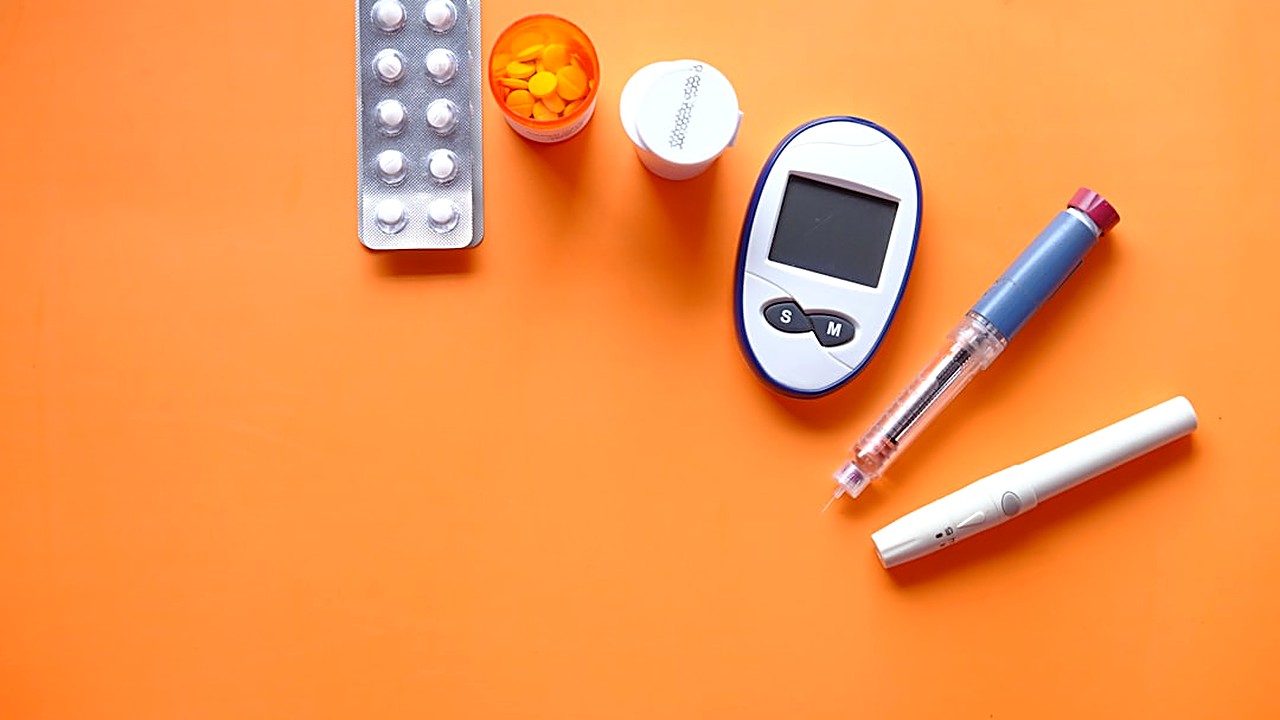
Quick answer: Stress can cause hormones like cortisol and adrenaline to push glucose from the liver into the bloodstream. This rise may happen even if you eat the same foods. Simple habits such as deep breathing, short walks, and steady sleep can lower the stress response and keep blood sugar more stable.↗ Share on X
How Stress Affects Blood Sugar
 Nighttime Racing Mind: Why It Happens and How to Slow It Down →
 How to Use Baking Soda Safely to Reduce Gum Bleeding →
 Natural Ways to Calm Gum Swelling at Home Safely →
When the body senses danger, it releases a burst of hormones. The most well‑known are cortisol and adrenaline. These chemicals tell the liver to release stored sugar. The extra sugar gives muscles quick energy to fight or run. For most people, the surge lasts only a few minutes. If stress repeats throughout the day, the liver keeps sending sugar, and blood glucose can stay higher than normal.
I have watched my own fasting numbers rise after a stressful meeting. The pattern was clear: the more tense the day, the higher the morning reading. This observation matches many research reports that link chronic stress with higher average glucose.
Simple health wins in your inbox. No hype.
Hormones That Spike Sugar
Affiliate link. We may earn a commission on purchases, at no extra cost to you.
This content is informational and is not a substitute for medical advice. Supplements do not cure or treat diseases.
Cortisol is often called the “stress hormone.” It rises when you feel pressure, worry, or lack of sleep. Cortisol tells the body to keep glucose available. It also reduces the effectiveness of insulin, the hormone that moves sugar into cells. When insulin works less well, blood sugar stays in the bloodstream longer.
Adrenaline, also known as epinephrine, acts faster. It appears during short bursts of anxiety or excitement. Adrenaline pushes the liver to dump glucose quickly. The result is a sharp, short‑lived spike that can be hard to notice without a continuous monitor.
Both hormones are useful in true emergencies, but modern life rarely provides the clear “danger” that would justify a full‑scale response. Instead, we face emails, traffic, and financial worries that keep the stress system humming.
Everyday Triggers
 What Are Normal Blood Sugar Ranges for Each Age Group? →
 Best Drinks to Lower Blood Sugar Quickly and Safely →
 Why Does My Ear Ringing Get Louder in Quiet and How to Reduce It →
Even small events can set off the stress cascade. A noisy neighbor, a missed deadline, or a heated argument can raise cortisol for hours. Lack of sleep is another strong trigger. When you sleep less than six hours, cortisol levels stay higher the next day, and insulin sensitivity drops.
Food choices can amplify the effect. Caffeine, for example, can increase adrenaline. A sugary snack may give a quick lift, but the later crash can feel stressful, feeding the loop.
Simple Ways to Lower Stress‑Induced Sugar
1. Practice Deep Breathing – Inhale slowly for four counts, hold for four, exhale for six. Doing this for just two minutes can calm the nervous system and lower cortisol.
2. Take Short Walks – A five‑minute walk outdoors breaks the stress cycle. Light movement helps muscles use the extra glucose, reducing the spike.
3. Create a Consistent Sleep Routine – Go to bed and wake at the same time each day. Even a 15‑minute shift can improve hormone balance.
4. Limit Caffeine After Midday – Cutting back can reduce adrenaline spikes that keep blood sugar high.
5. Add Magnesium‑Rich Foods – Nuts, seeds, and leafy greens may help the body manage stress hormones better.
6. Use a Simple Mindfulness Cue – Choose a daily activity, like brushing teeth, to pause and notice your breath. This tiny habit can lower the overall stress load.
I have tried the breathing exercise during a busy workday and felt a noticeable calm within minutes. The next day, my glucose monitor showed a smaller rise after lunch.
Building a Calm Routine
Start with one habit. Pick a time that fits your schedule – perhaps after breakfast or before dinner. Keep a log of how you feel and what your glucose reading shows. Over a few weeks, you may see patterns that guide you toward the most helpful practices.
Remember that stress management is a skill, not a quick fix. Small, repeatable actions add up. If a method feels uncomfortable, try another. The goal is to keep the stress hormones from constantly flooding the bloodstream with sugar.
Key Takeaway: Stress can push blood sugar up by releasing hormones that keep glucose in the blood. Simple actions—deep breathing, short walks, steady sleep, and mindful eating—can calm the hormone response and help keep glucose levels more even.
This article is for general information only and is not medical advice. Talk to a healthcare professional before making changes to your diet, supplements, or medication.
Frequently asked questions
Can stress cause long‑term high blood sugar?
Stress can raise cortisol and adrenaline, which may keep glucose higher for many hours. If stress is frequent, the repeated spikes can contribute to higher average levels, especially if other risk factors are present.
Do deep‑breathing exercises really affect blood sugar?
Research shows that slow, controlled breathing can lower cortisol. When cortisol drops, the liver releases less sugar, and insulin can work more efficiently. Results can vary from person to person.
Is walking enough to lower a stress‑related sugar spike?
A short walk helps muscles use extra glucose, which can reduce the spike. The effect may be modest, but it is easy to do and adds up when done regularly.
Should I avoid caffeine completely to control my glucose?
Caffeine can increase adrenaline, which may raise sugar briefly. Cutting back after midday can help some people, but the impact differs based on individual sensitivity.
Can better sleep improve my blood sugar even if I am stressed during the day?
Adequate sleep supports lower cortisol levels and better insulin sensitivity. Even if daytime stress remains, a regular sleep pattern can lessen the overall impact on glucose.
*This article is for general information only and is not medical advice. Talk to a healthcare professional before making changes to your diet, supplements, or medication.*
Simple health wins in your inbox. No hype.
Educational content, not medical advice. Talk to your doctor before making health decisions.