Can a Quiet Room Make Tinnitus Worse and How to Reduce the Noise
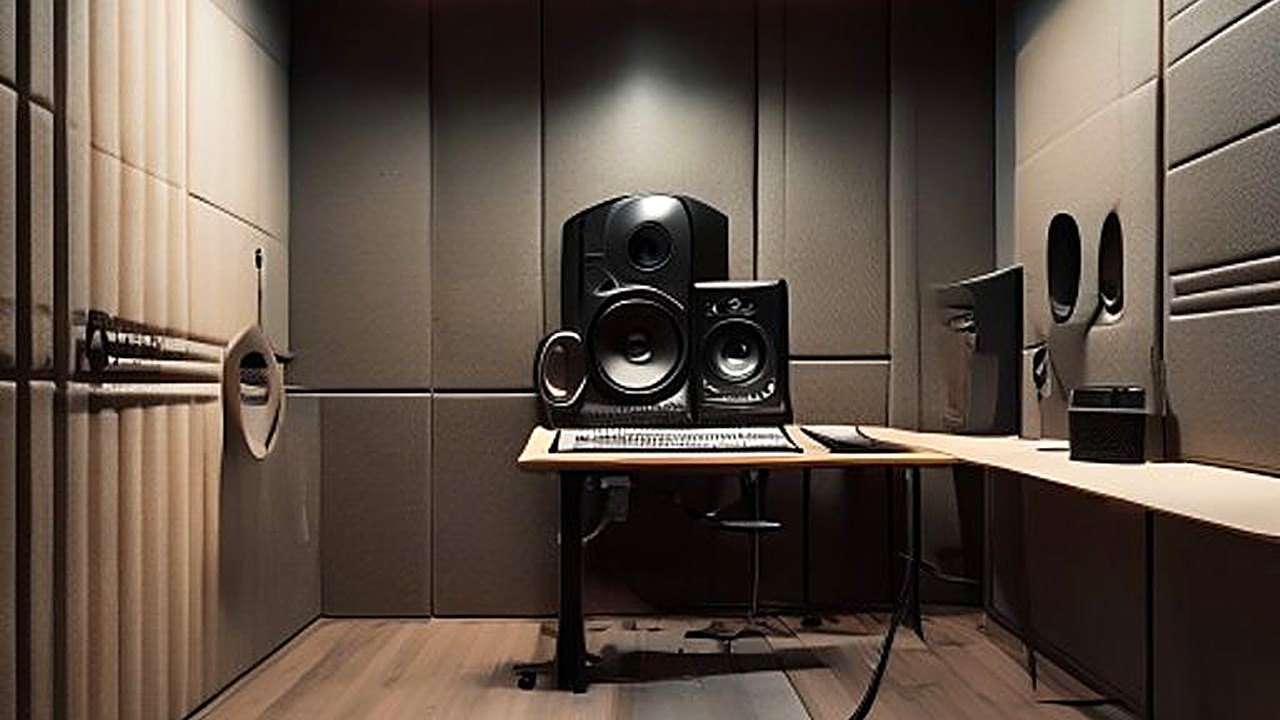
Quick answer: A very quiet room can sometimes make tinnitus feel louder because the brain has less external sound to focus on. Adding gentle background sounds, using soft ear protection, and managing stress can help reduce the perceived ringing.↗ Share on X
Understanding Quiet Rooms and Tinnitus
 How to Tell If Your Tinnitus Is a Sign of an Ear Infection →
 Simple Breakfast Tweaks That Keep Blood Sugar Stable All Day →
 What Are Normal Blood Sugar Ranges for Each Age Group? →
Tinnitus is the perception of sound when no external source exists. It often shows up as a high‑pitched ringing, buzzing, or hissing. People over 45 notice it more often, especially after exposure to loud noise or age‑related hearing changes. A quiet room feels safe, but the lack of ambient sound can make the internal ringing stand out.
Research shows that the brain constantly compares external sounds with internal noise. When the environment is very still, the brain may amplify the internal signal, making tinnitus feel louder. This does not mean the ringing is actually getting stronger; it is simply more noticeable.
I have spent many evenings in a silent bedroom after a long day of work. I noticed the ringing in my ears grew louder as the house fell silent. Changing the room’s sound level helped me feel more at ease.
Simple health wins in your inbox. No hype.
How Silence Can Heighten Ringing
Affiliate link. We may earn a commission on purchases, at no extra cost to you.
This content is informational and is not a substitute for medical advice. Supplements do not cure or treat diseases.
When you sit in a quiet space, the auditory system receives fewer signals. The brain then tries to fill the gap, often by turning up the internal noise. This effect is similar to the way some people hear phantom sounds after a concert when the music stops.
A few key factors influence how silence impacts tinnitus:
- Attention: In a quiet room, you may focus more on the ringing because there are no other sounds to distract you.
- Stress: Quiet can feel isolating, and stress can raise the perception of tinnitus.
- Sleep: Many people report that tinnitus feels louder at night when the house is still.
Studies with people who have chronic tinnitus show that those who use white‑noise machines or soft music report less distress. The added sound gives the brain a reference point, reducing the need to amplify the internal signal.
Practical Ways to Reduce Unwanted Noise
 Best Drinks to Lower Blood Sugar Quickly and Safely →
 Why Does My Ear Ringing Get Louder in Quiet and How to Reduce It →
 How Diabetes Impacts Gum Health and Simple Ways to Protect Them →
Below are simple steps you can try at home. Each step can be adjusted to fit personal comfort and does not replace professional care.
1. Introduce Soft Background Sound
- Use a fan, a humidifier, or a low‑volume white‑noise app. The sound should be just enough to mask the ringing without becoming a new annoyance.
2. Choose Gentle Ear Protection
- If you need to protect your ears from sudden loud noises, opt for soft earplugs that filter rather than block all sound. This keeps some ambient noise in the ear canal.
3. Create a Sound Routine
- Play calming music for 15‑30 minutes before bed. Classical piano or nature sounds work well for many people.
4. Adjust Room Acoustics
- Add a rug, curtains, or soft furniture to reduce echo. A less reverberant space feels calmer and can lower stress levels.
5. Practice Relaxation Techniques
- Deep breathing, gentle stretching, or guided meditation can lower the stress that often makes tinnitus louder.
I tried a small tabletop fountain in my bedroom. The water’s gentle flow created a constant low‑level sound that helped my ringing feel less intrusive, especially at night.
Lifestyle Tips for a Balanced Listening Environment
Beyond the bedroom, everyday habits can help keep tinnitus manageable.
- Limit Caffeine and Alcohol: Both can affect blood flow and may increase ringing for some people.
- Stay Hydrated: Proper hydration supports overall ear health.
- Exercise Regularly: Light aerobic activity improves circulation, which can reduce the intensity of tinnitus for many.
- Check Medication Side Effects: Some medicines list tinnitus as a possible side effect. Talk with a pharmacist if you suspect a drug is contributing.
- Use Hearing Aids When Needed: For those with hearing loss, a well‑fitted hearing aid can provide natural background sound, often easing tinnitus.
Remember that each person’s experience is unique. What works for one may not work for another, so feel free to experiment with the suggestions above.
When to Seek Professional Help
If tinnitus persists for more than a few weeks, worsens, or causes significant distress, it is wise to talk to a healthcare professional. An audiologist can test hearing levels and suggest tailored strategies. In some cases, counseling or sound‑therapy programs may be recommended.
Never rely on self‑diagnosis alone. Professional guidance can rule out underlying conditions that need treatment, such as ear infections or vascular issues.
This article is for general information only and is not medical advice. If symptoms persist or worsen, talk to a healthcare professional.
Frequently asked questions
Why does a silent room sometimes make tinnitus feel louder?
In a quiet space the brain receives fewer external sounds, so it may amplify the internal ringing to fill the gap. This makes the tinnitus more noticeable, not necessarily louder.
Can white‑noise machines help with tinnitus?
Many people find that gentle background sounds from a white‑noise machine or a fan can lower the perception of ringing by giving the brain a constant reference point.
Are earplugs safe for people with tinnitus?
Soft, filter‑type earplugs that let some ambient sound through are usually better than fully blocking plugs. They protect against loud spikes while still allowing background noise.
What lifestyle changes might reduce tinnitus distress?
Staying hydrated, limiting caffeine and alcohol, exercising regularly, and practicing relaxation techniques can all help lower stress, which often makes tinnitus feel louder.
When should I see a professional about my tinnitus?
If ringing lasts more than a few weeks, gets worse, or causes anxiety, it is wise to consult an audiologist or doctor for a full evaluation.
*This article is for general information only and is not medical advice. If symptoms persist or worsen, talk to a healthcare professional.*
Simple health wins in your inbox. No hype.
Educational content, not medical advice. Talk to your doctor before making health decisions.