Simple Breakfast Tweaks That Keep Blood Sugar Stable All Day
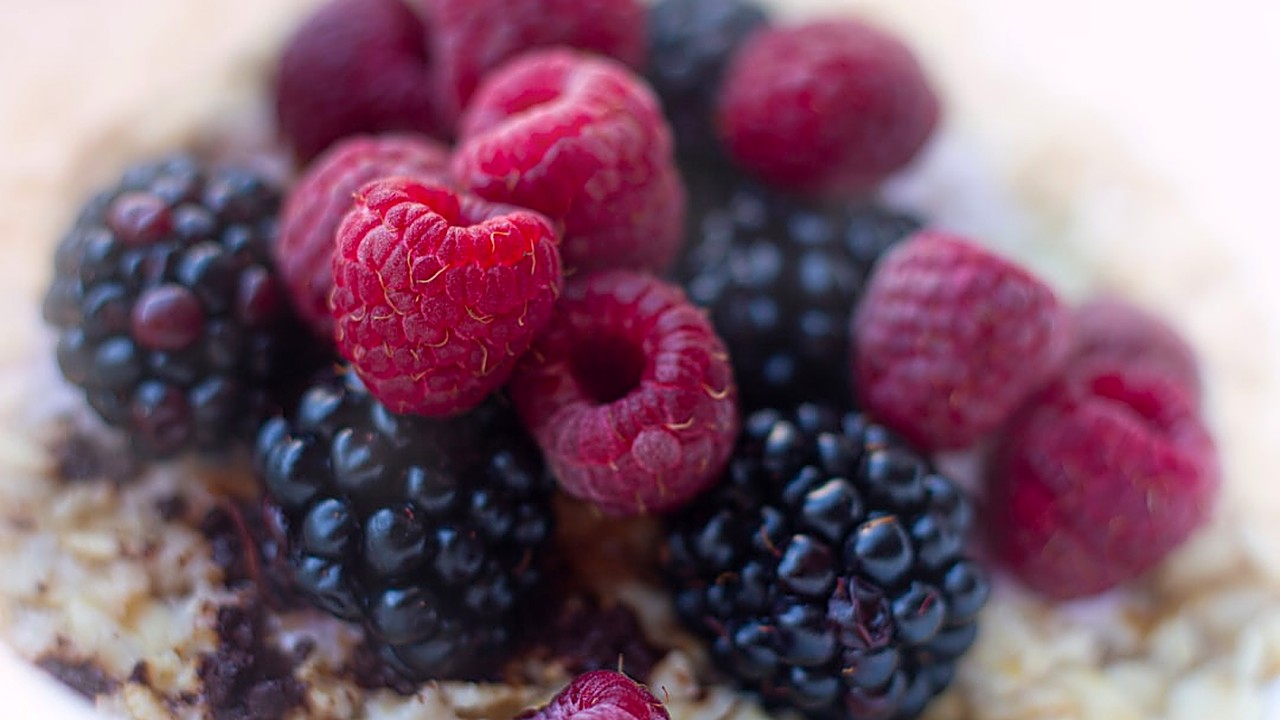
Quick answer: Choose a protein‑rich food, add a small amount of healthy fat, and pair them with a low‑glycemic carbohydrate. Skip sugary drinks, limit refined grains, and add fiber. These three moves can smooth blood sugar spikes from breakfast and help maintain steadier levels all day.↗ Share on X
Start With Protein, Not Just Carbs
 How to Prevent Morning Blood Sugar Spikes With Simple Nighttime Habits →
 Can a Quiet Room Make Tinnitus Worse and How to Reduce the Noise →
 What Causes Morning High Blood Sugar and How to Prevent It →
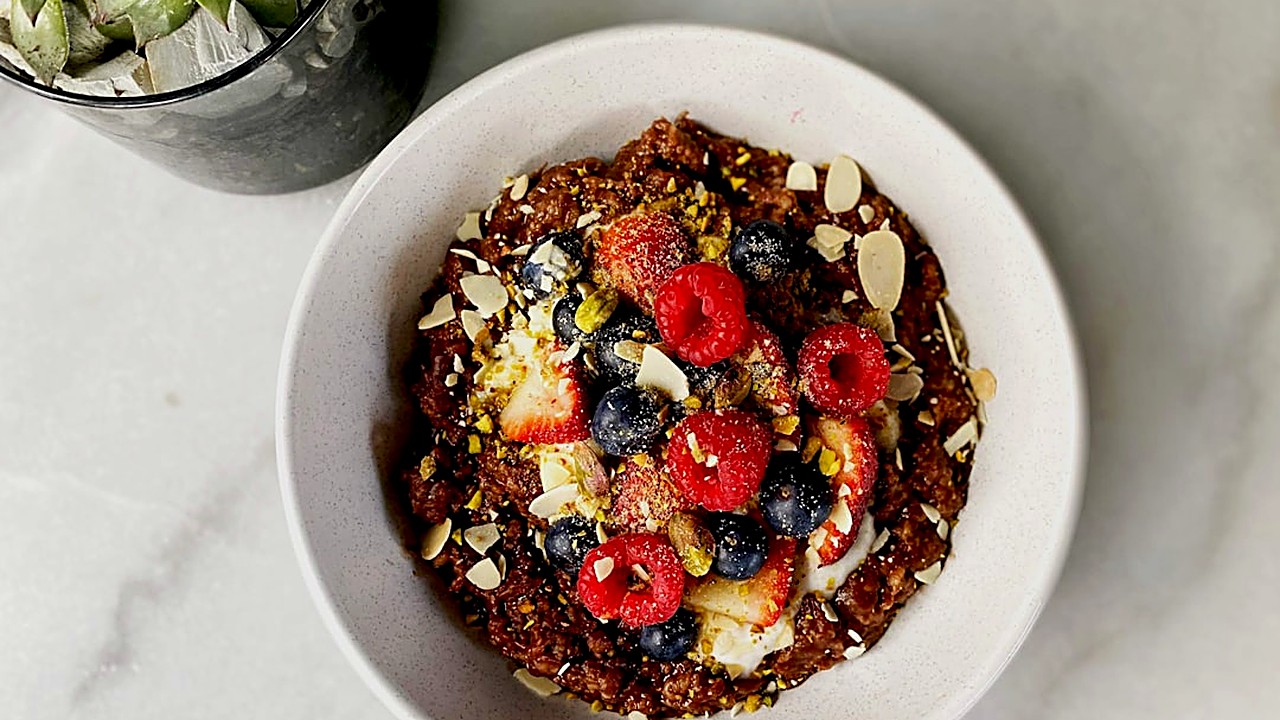
A breakfast heavy in sugar or refined flour can cause a quick rise in glucose, followed by a crash that leaves you feeling tired. Replacing even half of the carbohydrate portion with a protein source—such as eggs, Greek yogurt, cottage cheese, or a small handful of nuts—slows digestion. In my own kitchen, I swapped a sugary cereal for a bowl of plain oatmeal topped with a boiled egg and a sprinkle of almonds. Within weeks, I noticed fewer mid‑morning cravings.
Simple health wins in your inbox. No hype.
Add Healthy Fat to Balance the Meal
Affiliate link. We may earn a commission on purchases, at no extra cost to you.
This content is informational and is not a substitute for medical advice. Supplements do not cure or treat diseases.
Fat does not raise blood sugar the way carbs do. Adding a modest amount of avocado, olive oil, or nut butter can further blunt the spike after eating. For example, spreading one teaspoon of almond butter on whole‑grain toast gives a creamy texture while delivering monounsaturated fats that support steady glucose. A friend of mine tried adding a few slices of avocado to her scrambled eggs and reported feeling fuller for longer.
Choose Low‑Glycemic Carbohydrates
 How to Tell If Your Tinnitus Is a Sign of an Ear Infection →
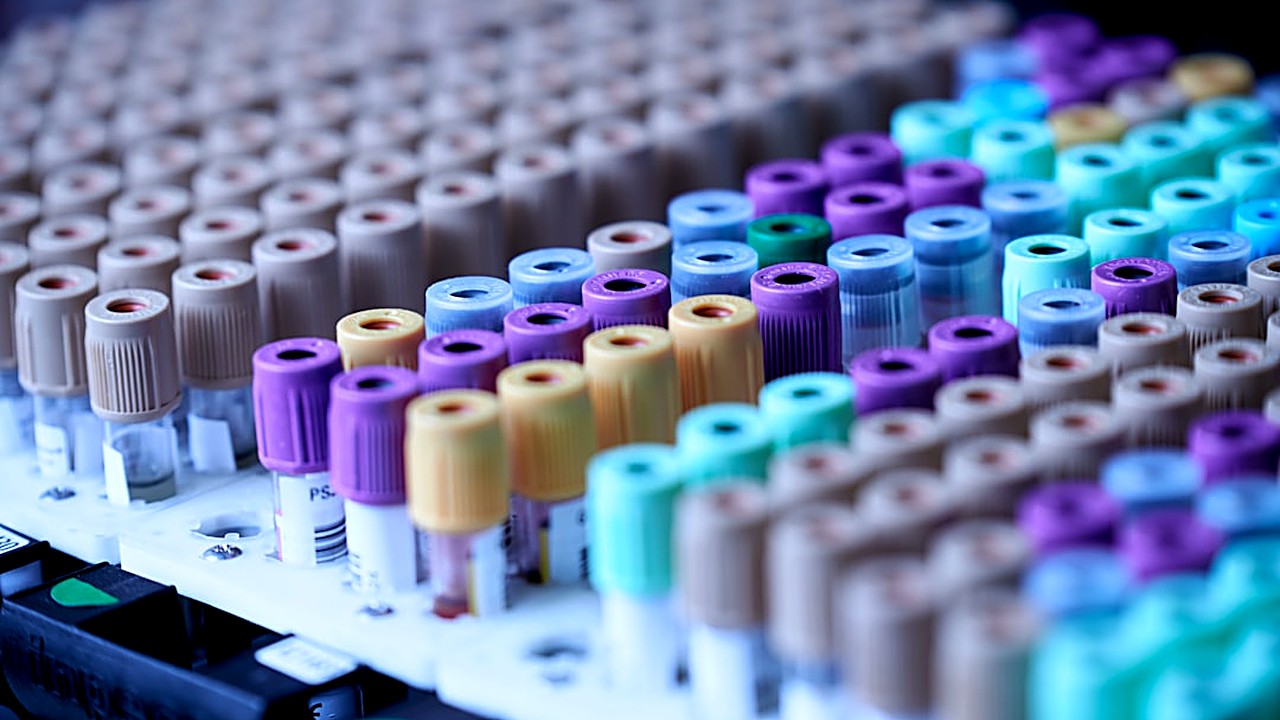 What Are Normal Blood Sugar Ranges for Each Age Group? →
 Best Drinks to Lower Blood Sugar Quickly and Safely →
Not all carbs behave the same. Whole grains, berries, and non‑starchy vegetables have a lower glycemic impact than white bread or pastries. A simple swap is to replace a white bagel with a slice of whole‑grain toast or a small serving of quinoa porridge. The fiber in these foods slows sugar absorption, keeping the blood level more even.
Skip Sugary Drinks and Fruit Juices
A glass of orange juice can contain as much sugar as a candy bar. Even “light” flavored coffees often hide added sugars. Drinking water, unsweetened tea, or black coffee removes this hidden source of glucose. I once tried a morning smoothie made with fruit, yogurt, and honey; after a few days I cut the honey and felt the afternoon slump disappear.
Keep Portion Size in Check
Large portions, even of healthy foods, can raise blood sugar if the total carbohydrate load is high. Using a small plate or measuring a half‑cup of cooked grains helps control the amount you eat. A practical tip is to fill half the plate with non‑starchy vegetables, one quarter with protein, and the remaining quarter with whole‑grain carbs.
Add a Sprinkle of Cinnamon or Vinegar
Both cinnamon and apple cider vinegar have modest effects on glucose response. Adding a dash of cinnamon to oatmeal or a splash of vinegar to a veggie‑egg scramble can enhance flavor while offering a gentle blood‑sugar benefit. These additions are simple, inexpensive, and fit easily into most breakfast routines.
Plan Ahead to Avoid the Rush
When mornings are rushed, people often reach for the quickest, most sugary option. Preparing a grab‑and‑go breakfast the night before—like a chia‑seed pudding with nuts or a hard‑boiled egg with a piece of fruit—removes the temptation to choose high‑glycemic foods. My own habit of setting out a container of overnight oats each evening has saved me from impulse purchases at the coffee shop.
Listen to Your Body and Adjust
Everyone’s response to food is personal. Some may find that a small amount of fruit works well, while others need more protein to stay steady. Keeping a simple log of what you eat and how you feel can reveal patterns. Over time, you can fine‑tune the breakfast composition that best supports your energy and glucose levels.
Summary of Key Changes
- Protein first: eggs, yogurt, cheese, nuts.
- Add healthy fat: avocado, olive oil, nut butter.
- Low‑glycemic carbs: whole‑grain toast, berries, non‑starchy veggies.
- Skip sugary drinks: water, unsweetened tea, black coffee.
- Control portions: half plate veg, quarter protein, quarter carbs.
- Flavor boosters: cinnamon, a splash of vinegar.
- Prep ahead: overnight oats, boiled eggs, chia pudding.
These small adjustments can turn a typical sugary breakfast into a balanced start that helps keep blood sugar smoother throughout the day. Remember, the goal is consistency, not perfection. Small, repeatable steps often lead to the biggest long‑term benefits.
This article is for general information only and is not medical advice. Talk to a healthcare professional before making changes to your diet, supplements, or medication.
Frequently asked questions
Can a single breakfast change really affect blood sugar all day?
It can help, especially when the change reduces a quick glucose spike. A steadier start often leads to more stable levels later, but other meals and activity also play a role.
Is it safe to add more protein if I have kidney concerns?
People with kidney issues should talk with their doctor before increasing protein. The tips here are general and may need adjustment for individual health conditions.
Do I need to count carbs if I follow these breakfast ideas?
Counting is not required, but being aware of portion size and choosing low‑glycemic carbs can make the changes easier to follow.
What if I don’t like eggs or dairy for protein?
Plant‑based options like tofu, tempeh, beans, or a small serving of nuts can work just as well. Choose what fits your taste and dietary needs.
How long before I see any difference in my energy levels?
Some people notice a smoother energy flow within a few days, while others may need a few weeks. Consistency is key for lasting effects.
*This article is for general information only and is not medical advice. Talk to a healthcare professional before making changes to your diet, supplements, or medication.*
Simple health wins in your inbox. No hype.
Educational content, not medical advice. Talk to your doctor before making health decisions.