What Are Normal Blood Sugar Ranges for Each Age Group?

Quick answer: Normal fasting blood sugar is usually 70‑99 mg/dL for most people. After meals, a 2‑hour level under 140 mg/dL is common. Children often have slightly lower fasting values, while seniors may see a modest rise. Exact targets can vary by health status.↗ Share on X
Understanding Blood Sugar Basics
 How to Prevent Morning Blood Sugar Spikes With Simple Nighttime Habits →
 Can a Quiet Room Make Tinnitus Worse and How to Reduce the Noise →
 What Causes Morning High Blood Sugar and How to Prevent It →
Blood sugar, or glucose, is the main fuel your body uses for energy. It moves from the food you eat into your bloodstream, then into cells with the help of insulin. When you measure glucose, you can do it while fasting (no food for at least 8 hours) or after a meal, usually 2 hours later. The numbers you see are not random; they reflect how well your body is handling sugar at that moment. For most healthy people, the range stays within a narrow band, but the band can shift a bit with age, activity level, and overall health.
Simple health wins in your inbox. No hype.
Normal Fasting Glucose for Children and Teens
Affiliate link. We may earn a commission on purchases, at no extra cost to you.
This content is informational and is not a substitute for medical advice. Supplements do not cure or treat diseases.
Kids and teenagers often have fasting glucose that sits a little lower than adult averages. A typical range is 70‑90 mg/dL. Values under 70 may suggest low blood sugar, especially if the child feels shaky or tired. Values above 90 but below 100 are still considered normal for many active youths. In my work with school health programs, I have watched students who eat a balanced breakfast stay comfortably within this range throughout the day. If a teen consistently reads above 100 mg/dL while fasting, it may be worth checking diet and activity patterns.
Normal Fasting Glucose for Adults (18‑64)
 How to Tell If Your Tinnitus Is a Sign of an Ear Infection →
 Simple Breakfast Tweaks That Keep Blood Sugar Stable All Day →
 Best Drinks to Lower Blood Sugar Quickly and Safely →
For most adults, the accepted fasting range is 70‑99 mg/dL. Numbers in the 100‑125 mg/dL band are labeled as “pre‑diabetes” by many health agencies, meaning the body is starting to have trouble moving sugar into cells. A reading of 126 mg/dL or higher on two separate occasions often signals diabetes. In my experience counseling middle‑aged clients, I have seen that simple changes—like adding a walk after dinner—can keep fasting numbers in the lower part of the normal range.
Normal Fasting Glucose for Older Adults (65+)
Seniors may see a slight rise in fasting glucose, often 80‑110 mg/dL. The body’s ability to use insulin can decline with age, and many older adults take medications that affect sugar levels. A fasting value up to 110 mg/dL can still be normal if the person has no symptoms and other health markers are stable. However, values consistently above 110 mg/dL should prompt a conversation with a doctor, especially if there are other risk factors like high blood pressure.
Post‑Meal (2‑Hour) Targets
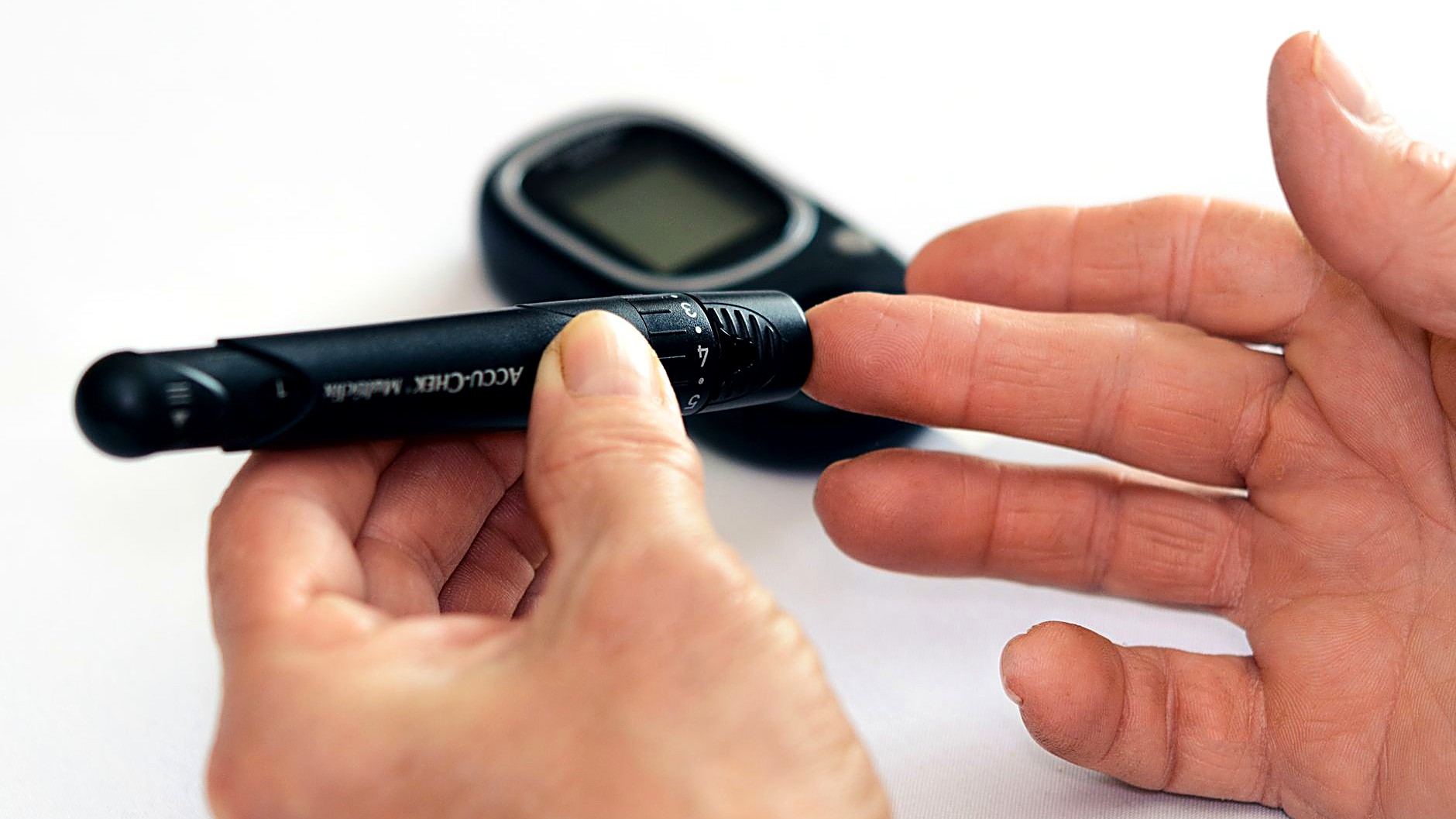
After eating, blood sugar climbs, peaks, and then falls. A common benchmark is a 2‑hour post‑meal level below 140 mg/dL for most age groups. Children may have a slightly lower target, around 130 mg/dL, while seniors might be comfortable up to 150 mg/dL if they have no other health issues. In practice, I have helped families track post‑meal numbers using simple finger‑stick kits, and most find that staying under the target helps avoid afternoon fatigue.
How to Use These Ranges at Home
1. Pick a consistent time – Test fasting glucose first thing in the morning, before any food or drink.
2. Record the result – Write the number, date, and any notes about sleep or stress.
3. Test after meals – Wait about 2 hours after a typical lunch or dinner, then record the value.
4. Look for patterns – A few high readings may be harmless, but a steady upward trend can signal a need for professional advice.
5. Combine with lifestyle – Keep an eye on diet, activity, and weight. Small changes often bring numbers back into the normal band.
When to Seek Professional Help
If you notice any of the following, it is wise to talk to a health provider:
- Fasting glucose repeatedly above 126 mg/dL.
- Post‑meal readings over 180 mg/dL.
- Symptoms such as frequent thirst, unexplained weight loss, or blurry vision.
- A family history of diabetes combined with rising numbers.
Remember, these ranges are guidelines. Individual needs can differ, and only a qualified professional can give personalized advice.
This article is for general information only and is not medical advice. Talk to a healthcare professional before making changes to your diet, supplements, or medication.
Frequently asked questions
What does a fasting blood sugar of 100 mg/dL mean?
A reading of 100 mg/dL falls in the pre‑diabetes range. It suggests that the body may be having early difficulty moving sugar into cells, but it does not confirm diabetes. Lifestyle changes and a doctor’s review are recommended.
Can seniors have higher normal blood sugar than younger adults?
Yes, many older adults have fasting values up to about 110 mg/dL and still be considered normal, especially if they have no symptoms and other health markers are stable.
How often should I test my blood sugar at home?
Testing once in the morning (fasting) and once 2 hours after a regular meal is a common routine. If you have a known condition, your doctor may advise more frequent checks.
Do children need to test blood sugar as often as adults?
Children who are healthy usually do not need regular testing. Testing may be useful if they have a family history of diabetes or show symptoms of low blood sugar.
What lifestyle changes can help keep blood sugar in the normal range?
Regular physical activity, balanced meals with fiber and protein, staying hydrated, and maintaining a healthy weight are all proven ways to support normal glucose levels.
*This article is for general information only and is not medical advice. Talk to a healthcare professional before making changes to your diet, supplements, or medication.*
Simple health wins in your inbox. No hype.
Educational content, not medical advice. Talk to your doctor before making health decisions.