How Diabetes Impacts Gum Health and Simple Ways to Protect Them
Quick answer: Diabetes can raise blood sugar, which may weaken gum tissue and increase infection risk. Good oral hygiene, regular dental visits, balanced meals, and steady blood‑sugar control are simple ways to protect gums. Small daily habits often make the biggest difference.↗ Share on X
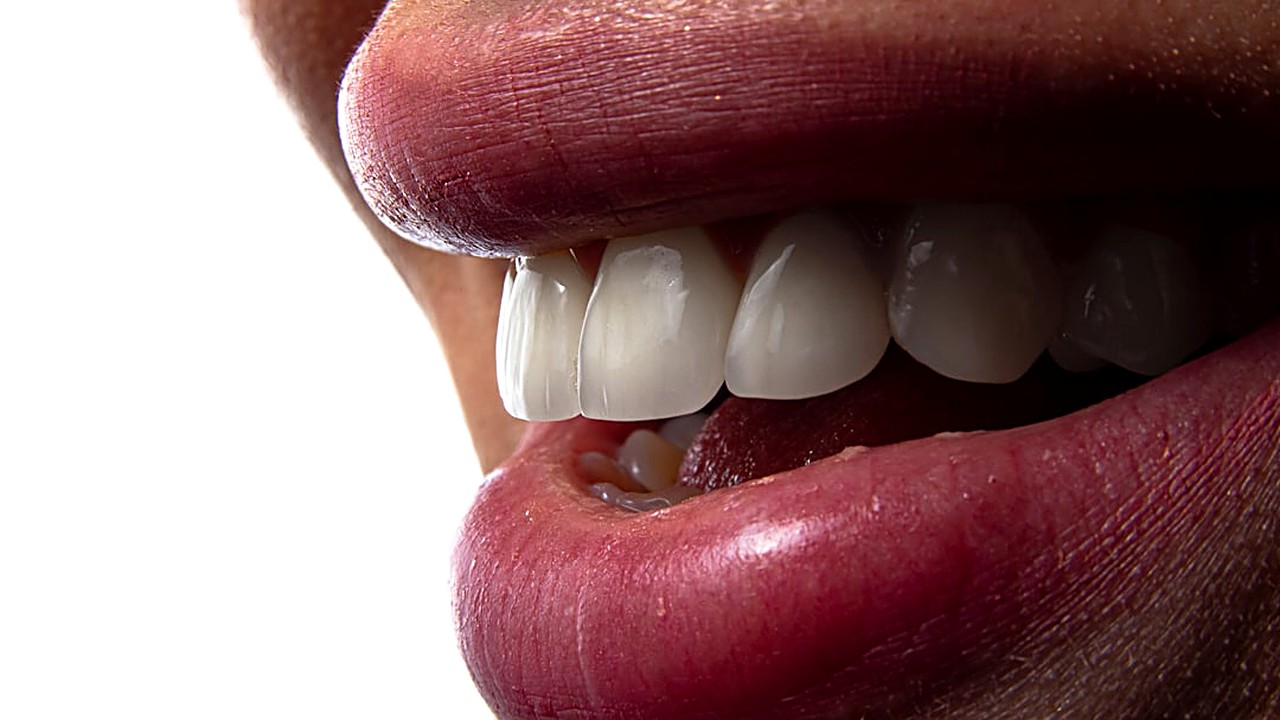
Diabetes and gum health are linked more often than many people realize. When blood sugar stays high, the tiny blood vessels that feed the gums can become damaged. This makes the gums more prone to inflammation, bleeding, and infection. Understanding the connection helps you choose habits that keep both your blood sugar and your smile in better shape.
How High Blood Sugar Affects Gum Tissue
 Can Dehydration Cause Ringing in Ears and How to Prevent It? →
 Can Vitamin B12 Deficiency Cause Tinnitus? How to Test and What to Do →
 Simple Morning Walks That May Help Lower Blood Sugar Fast →
When glucose levels rise, the body’s immune response weakens. White blood cells find it harder to fight bacteria that live on teeth. Those bacteria release toxins that irritate the gum lining. Over time, the irritation can turn into gingivitis, the early stage of gum disease. Studies show that people with diabetes are two to three times more likely to develop periodontitis, a deeper infection that can damage bone.
The damage is not only local. Inflammation in the gums releases chemicals that travel through the bloodstream. Those chemicals can make it harder for the body to use insulin, creating a loop that pushes blood sugar even higher. Breaking this loop starts with simple daily actions.
Simple health wins in your inbox. No hype.
Signs That Your Mouth May Be Feeling Diabetes Effects
Affiliate link. We may earn a commission on purchases, at no extra cost to you.
This content is informational and is not a substitute for medical advice. Supplements do not cure or treat diseases.
If you notice gums that bleed after brushing, a persistent bad taste, or gums that look red and swollen, these could be early warnings. Some people also feel a loose feeling in their teeth, even when no obvious decay is present. A dry mouth is another common clue; high blood sugar pulls water from the tissues, reducing saliva that normally protects teeth.
In my work as a wellness writer, I have spoken with many readers who first noticed these signs during routine dental check‑ups. Their dentists flagged the gum changes, and the patients later learned that better blood‑sugar control helped the gums heal. Listening to your mouth can give clues about overall health.
Everyday Habits to Keep Gums Strong
 Can Loud Concert Music Lead to Permanent Ear Ringing? →
 How Stress Raises Blood Sugar and Simple Ways to Reduce It →
 Foods That May Worsen Ringing in Ears and How to Avoid Them →
1. Brush twice a day with a soft‑bristled brush. Use gentle, circular motions for at least two minutes each time. Replace the brush every three months.
2. Floss daily. A single piece of floss can remove plaque from between teeth where a brush cannot reach. If floss feels tough, try a water flosser.
3. Rinse with an alcohol‑free mouthwash. Look for products that contain chlorhexidine or essential oils; they help reduce bacterial load without drying the mouth.
4. Stay hydrated. Drinking water throughout the day helps wash away food particles and keeps saliva flowing.
5. Check blood sugar regularly. Knowing your numbers lets you see patterns that may affect gum health.
These steps take only a few minutes each day, yet they create a protective barrier against infection. Consistency matters more than occasional deep cleaning.
Foods and Drinks That Help or Hurt
Helpful choices:
- Leafy greens such as spinach and kale are rich in vitamins C and K, both important for gum repair.
- Nuts and seeds provide healthy fats that support inflammation control.
- Low‑fat dairy like yogurt offers calcium and probiotics that can balance oral bacteria.
Foods to limit:
- Sugary snacks feed harmful bacteria, raising plaque levels quickly.
- Sticky fruits such as dried apricots cling to teeth and are harder to clean off.
- Acidic drinks like citrus juices and soda can erode enamel, making gums more vulnerable.
A practical tip I often share is to pair a sweet treat with a glass of water and a quick rinse. This simple habit reduces the time sugar stays on teeth.
When to Seek Professional Care and What to Expect
Even with diligent home care, regular dental visits remain essential. A dentist can measure pocket depth around each tooth, a key indicator of gum disease. If pockets exceed a few millimeters, scaling and root planing may be recommended. This procedure cleans below the gum line and can improve both gum health and blood‑sugar control.
If you have diabetes, tell your dental team about your condition. They may schedule more frequent cleanings, usually every three to four months, to keep plaque from building up. Open communication also helps the dentist choose safe anesthetic options.
Remember, the goal is to manage risk, not to guarantee a disease‑free mouth. Each person’s response to treatment can differ, and results depend on many factors, including overall health, diet, and genetics.
Bottom line: Managing blood sugar, practicing gentle daily oral care, choosing gum‑friendly foods, and staying in touch with dental professionals are practical ways to protect your gums. Small, steady actions often lead to the biggest health gains.
This article is for general information only and is not medical or dental advice. Talk to a healthcare or dental professional about your situation.
Frequently asked questions
Can high blood sugar cause gum bleeding?
Yes, elevated glucose can weaken gum tissue and make it more likely to bleed when brushed or flossed.
How often should a person with diabetes see a dentist?
Many dentists suggest a visit every three to four months, but the exact schedule depends on individual gum health.
Are there specific foods that improve gum health for diabetics?
Leafy greens, nuts, seeds, and low‑fat dairy provide nutrients that support gum repair and reduce inflammation.
Is flossing safe for people with sensitive gums?
Flossing is generally safe; using a gentle technique or a water flosser can help avoid irritation.
Will better blood‑sugar control help heal existing gum disease?
Improved glucose management can reduce inflammation and support healing, but professional treatment may still be needed.
*This article is for general information only and is not medical or dental advice. Talk to a healthcare or dental professional about your situation.*
Simple health wins in your inbox. No hype.
Educational content, not medical advice. Talk to your doctor before making health decisions.