Calming Nighttime Tinnitus: Your Guide to White Noise Machines
Quick answer: White noise machines can quickly calm nighttime tinnitus by masking the internal ringing or buzzing sounds. They help your brain shift focus, making the tinnitus less noticeable. Adjusting the volume just above your tinnitus and choosing a consistent, soothing sound can promote faster relaxation and sleep.↗ Share on X
Nighttime tinnitus can be a real sleep thief. That persistent ringing, buzzing, or hissing sound can make falling asleep feel impossible. For many people over 45, this internal noise becomes a nightly battle. It disrupts peace, increases stress, and can leave you feeling exhausted. But there’s a simple, widely used tool that can offer quick relief: a white noise machine.
At The VitalNest Research Collective, we've spent time understanding how people manage daily wellness challenges. Tinnitus at night is a common concern. While not a cure, white noise can be a powerful comfort strategy. It helps your brain re-focus away from the internal sounds. This can make a big difference in how quickly you drift off to sleep.
Understanding How White Noise Helps Your Tinnitus
 Can Magnesium Calm Tinnitus and Improve Your Rest? →
 Allergies and Tinnitus: Simple Ways to Find Ear Relief →
 Simple Home Remedies to Reduce Receding Gums Naturally →
White noise machines don't make your tinnitus disappear. Instead, they work by creating a consistent, background sound that helps mask the ringing. Think of it like this: if you're in a quiet room, a small drip from a faucet sounds very loud. But if you turn on the radio, you might not notice the drip anymore. The radio isn't stopping the drip; it's simply making it harder to hear.
This masking effect is key. Your brain naturally pays attention to novel or changing sounds. Tinnitus, unfortunately, often becomes a very noticeable sound, especially in quiet environments like a bedroom at night. Introducing a steady, unchanging sound, like white noise, gives your brain something else to focus on. It blends with the tinnitus, making the internal sounds less prominent and less bothersome. This shift in attention can reduce the emotional response to tinnitus, making it feel less intense and allowing for quicker relaxation.
Some researchers also talk about 'habituation.' This is where your brain learns to ignore the tinnitus over time. White noise can aid this process. By consistently providing a neutral background sound, it helps your brain categorize the tinnitus as less important. This can lead to a long-term reduction in how much the tinnitus affects you.
Simple health wins in your inbox. No hype.
Choosing the Right White Noise Machine for Your Needs
Affiliate link. We may earn a commission on purchases, at no extra cost to you.
This content is informational and is not a substitute for medical advice. Supplements do not cure or treat diseases.
Not all white noise machines are created equal. When selecting one, consider a few key features. First, look for a machine that offers a variety of sounds. While 'white noise' is a common term, many machines also offer 'pink noise,' 'brown noise,' or natural sounds like rain, ocean waves, or gentle fans. Each type has a different frequency profile.
- White noise contains all audible frequencies equally. It sounds like a constant hiss or static.
- Pink noise has more power in the lower frequencies, sounding deeper and softer, like a steady rain or rustling leaves.
- Brown noise has even more low-frequency energy, sounding like a strong waterfall or deep rumble.
Many people find pink or brown noise more soothing than pure white noise. Experimentation is important here. What one person finds calming, another might find irritating. One of us on the Collective found that the gentle hum of a fan setting on a machine was far more effective than pure white noise for their occasional ear ringing. It's about personal comfort.
Also, check for features like a timer, adjustable volume, and portability. A timer can be useful if you only need the sound to help you fall asleep, not stay on all night. Adjustable volume is essential for finding that sweet spot where the tinnitus is masked but the sound isn't too loud. Some machines are small and travel-friendly, which is great if your tinnitus bothers you away from home.
Setting Up Your Machine for Optimal Nighttime Relief
 Simple Yoga Poses to Reduce Tinnitus and Calm Your Ears →
 How Light Therapy Can Quickly Reset Your Sleep Clock →
 Protecting Gums During Pregnancy: Simple Home Care Tips →
Proper setup is crucial for getting the most out of your white noise machine. It's not just about turning it on; it's about creating an effective sound environment. Here’s how to do it:
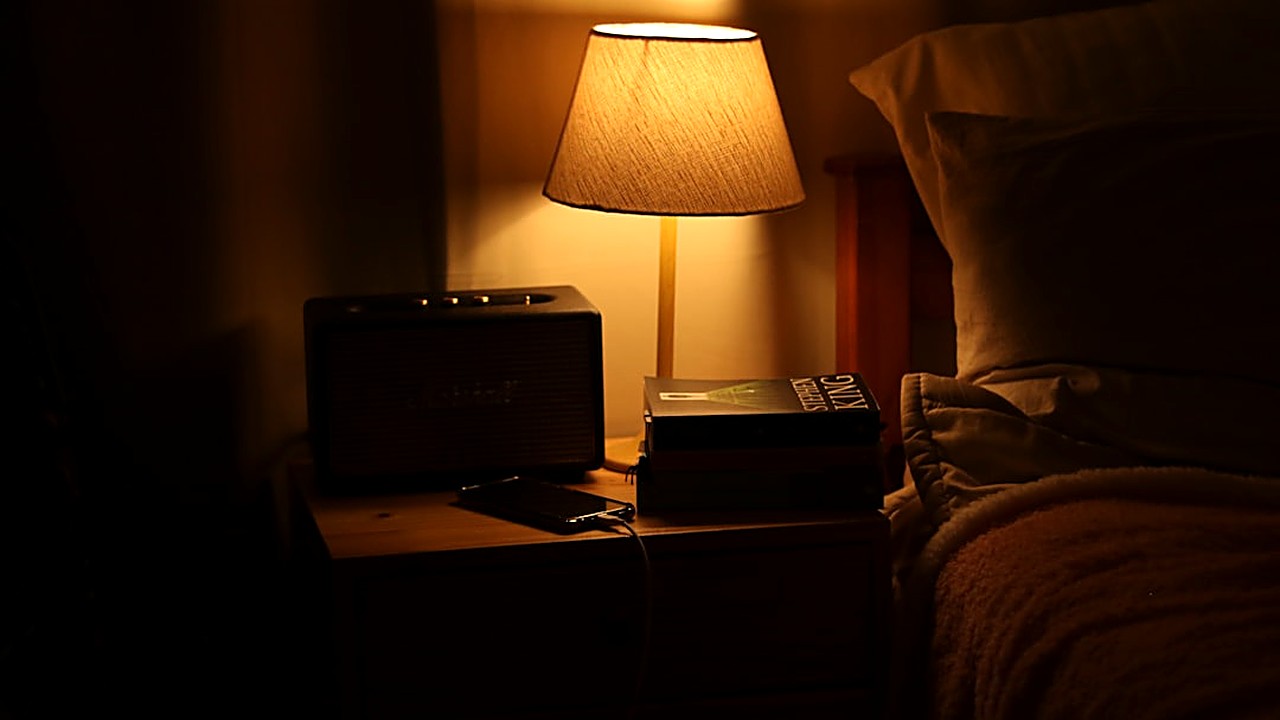
1. Placement Matters: Place the machine close to your bed, ideally within a few feet. This ensures the sound reaches your ears effectively without needing to be excessively loud. Avoid placing it directly under your pillow, as this can be too intense. A bedside table is often ideal.
2. Find the Right Volume: This is perhaps the most important step. The goal is to set the volume *just above* the level of your tinnitus. You want to mask the ringing, not drown it out completely or create a new disturbance. If the white noise is too loud, it can become another source of irritation. If it's too quiet, it won't effectively mask the tinnitus. It may take a few nights to find the perfect balance. Start low and gradually increase until your tinnitus becomes less noticeable.
3. Experiment with Sound Types: As mentioned, different sound profiles work for different people. Try white noise, pink noise, brown noise, or even nature sounds. Spend a few minutes with each option before bed to see which one feels most comfortable and effective for you. Some people prefer a consistent, unchanging sound, while others find the gentle variation of ocean waves more relaxing.
4. Consistency is Key: Use your white noise machine every night, even if your tinnitus seems less bothersome. Consistent use helps your brain adapt and reinforces the masking effect. It becomes a part of your bedtime routine, signaling to your brain that it's time to relax and sleep.
Beyond White Noise: Complementary Sleep Strategies
While white noise machines can be a powerful tool, they work best when combined with good sleep hygiene. Think of it as building a strong foundation for restful sleep. Here are some additional strategies that can complement your white noise use:
- Maintain a Regular Sleep Schedule: Go to bed and wake up at the same time each day, even on weekends. This helps regulate your body's natural sleep-wake cycle.
- Create a Relaxing Bedtime Routine: Before bed, engage in calming activities. This might include reading a book, taking a warm bath, or practicing gentle stretching. Avoid stimulating activities like watching exciting TV shows or using electronic devices right before sleep.
- Optimize Your Sleep Environment: Make sure your bedroom is dark, quiet (with your white noise machine), and cool. Block out unwanted light with blackout curtains. Keep the room temperature comfortable, usually between 60-67 degrees Fahrenheit (15-19 degrees Celsius).
- Limit Stimulants and Heavy Meals: Avoid caffeine and alcohol close to bedtime. While alcohol might initially make you feel sleepy, it can disrupt sleep later in the night. Also, try to avoid large, heavy meals right before bed.
- Manage Stress: Stress can worsen tinnitus and make sleep more difficult. Explore stress-reduction techniques like meditation, deep breathing exercises, or gentle yoga. Even a few minutes of mindful breathing can make a difference.
Combining these strategies with your white noise machine can significantly improve your chances of calming nighttime tinnitus quickly and achieving more restful sleep. Remember, finding what works best for you may involve a bit of trial and error.
This article is for general information only and is not medical advice. If symptoms persist or worsen, talk to a healthcare professional.
Frequently asked questions
Can white noise machines cure tinnitus?
No, white noise machines do not cure tinnitus. They are a management tool designed to mask the internal sounds, making them less noticeable and helping your brain shift its focus. This can offer significant relief and improve sleep quality, but it's not a permanent cure for the underlying cause of tinnitus.
What's the best type of sound for tinnitus relief?
The best type of sound varies from person to person. Many find pink noise or brown noise more soothing than pure white noise, as they have deeper, softer tones. Nature sounds like rain or ocean waves are also popular choices. Experiment with different options on your machine to discover what provides you with the most comfort and relief.
Should I use the white noise machine all night?
Whether to use the machine all night or with a timer depends on your personal needs. Some people find that having the sound on continuously helps them stay asleep if they wake up during the night. Others prefer to use a timer for 30-60 minutes, just long enough to fall asleep. Listen to your body and adjust accordingly.
Is it safe to use a white noise machine every night?
Yes, using a white noise machine every night at a safe volume is generally considered safe. The key is to keep the volume at a level that masks your tinnitus without being too loud or disruptive. Excessive volume can potentially harm hearing over time, so always ensure the sound is comfortable and not overpowering.
When should I talk to a doctor about my tinnitus?
You should talk to a healthcare professional if your tinnitus is new, worsens, affects only one ear, is accompanied by dizziness or hearing loss, or significantly impacts your quality of life. A doctor can help determine the cause of your tinnitus and recommend appropriate medical treatments or management strategies.
*This article is for general information only and is not medical advice. If symptoms persist or worsen, talk to a healthcare professional.*
Simple health wins in your inbox. No hype.
Educational content, not medical advice. Talk to your doctor before making health decisions.