Skipping Breakfast and Blood Sugar: Who Spikes, Who Drops

Quick answer: Skipping breakfast can raise blood sugar after your next meal, mainly in people with prediabetes or type 2 diabetes, but the effect varies. If you take insulin or certain pills, skipping meals can cause low blood sugar instead. Talk to your doctor before changing meal timing.↗ Share on X
Skipping breakfast can raise your blood sugar after the next meal, especially lunch, but the effect is different from person to person. Some people with healthy blood sugar barely notice it. People with prediabetes or type 2 diabetes are more likely to see a bigger spike after lunch. And if you take insulin or certain diabetes pills, skipping a meal can push your sugar too low, which is a different danger. So the honest answer is: it depends on you, your medicine, and what you eat when you finally do eat. This guide explains why, how to test it on yourself, and when to call your doctor.
This article is general education. It does not replace advice from your doctor, and it cannot diagnose anything. If you take medicine for blood sugar, do not change when you eat without asking your care team first.
Why would skipping breakfast change blood sugar at all?
 Nighttime Racing Mind: Why It Happens and How to Slow It Down →
 How to Use Baking Soda Safely to Reduce Gum Bleeding →
 Protein Before Bed and Morning Blood Sugar: Does It Work? →
Your body keeps blood sugar steady using a hormone called insulin. Insulin moves sugar out of your blood and into your cells. When you sleep, your liver releases a little sugar to keep you going. In the early morning, your body also releases hormones that raise sugar a bit. This is called the dawn effect, and it happens even if you eat nothing.
When you skip breakfast, three things can happen:
1. You go a long time without food. Fasting from dinner until noon or later can mean 14 to 18 hours without eating.
2. Your first meal arrives hungry. Many people eat a bigger lunch, with more bread, rice, or sweets, because they are very hungry.
3. Your body may handle that first meal less well. Some research suggests that the meal after a long gap can cause a higher sugar rise than the same meal would after breakfast. Results are mixed, and they differ between people, so treat this as a possibility, not a rule.
Simple health wins in your inbox. No hype.
Does skipping breakfast hurt everyone the same way?
Affiliate link. We may earn a commission on purchases, at no extra cost to you.
This content is informational and is not a substitute for medical advice. Supplements do not cure or treat diseases.
No. Here is how it commonly plays out for different groups:
| Group | What may happen when breakfast is skipped | What to do |
|---|---|---|
| Healthy blood sugar | Often little change, or a small rise after lunch | Watch for headaches, shakiness, or big hunger |
| Prediabetes | A higher spike after the first meal is more likely | Test your response; talk to your doctor |
| Type 2 diabetes, diet only | Spikes after lunch are possible | Ask your doctor before changing meal timing |
| Insulin or pills that push insulin up | Risk of low blood sugar | Never skip meals without medical advice |
If you take diabetes medicine, the risk is not a high number. It is a low one. Signs of low blood sugar include shaking, sweating, sudden hunger, confusion, and a fast heartbeat. If that happens, follow the plan your doctor gave you, and get medical help if you cannot fix it.
What are normal blood sugar numbers?
 Fiber and Blood Sugar: How Much to Eat and What to Add First →
 Lower Blood Sugar Naturally: What to Check and Do First →
 Do Late-Night Carbs Raise Your Morning Blood Sugar Numbers? →
Doctors in the United States commonly use these ranges for adults who are not pregnant. Your own targets may be different, so ask your doctor.
| Test | Typical range | Higher than normal |
|---|---|---|
| Fasting blood sugar (after 8 hours without food) | Under 100 mg/dL | 100 to 125: prediabetes range. 126 or more on two tests: diabetes range |
| A1C (average of about 3 months) | Under 5.7% | 5.7% to 6.4%: prediabetes range. 6.5% or more: diabetes range |
| 2 hours after a meal | Under 140 mg/dL is usually seen as healthy | People with diabetes often aim for under 180, but targets vary |
One high number on one day does not prove you have a problem. Stress, poor sleep, illness, and a big meal can all push readings up for a while.
How can you test your own response to skipping breakfast?
You can learn more from your own body than from any general rule. If you already own a meter, or your doctor says it is fine to use one, here is a simple 2-week test:
1. Week 1: eat breakfast. Choose something with protein and fiber, like eggs with vegetables, or plain yogurt with nuts. Check your sugar before lunch and 2 hours after lunch. Write down the numbers and what you ate.
2. Week 2: skip breakfast on the same days, and eat the same lunch as in week 1. Check before lunch and 2 hours after.
3. Compare. Look at the 2-hour number each week. If week 2 is clearly higher, skipping breakfast may not suit you.
4. Also note how you feel. Energy, headaches, mood, and hunger all count.
Do not do this test if you take insulin or sugar-lowering pills unless your doctor agrees first. People without diabetes can ask a doctor or pharmacist whether home testing makes sense for them.
What if you skip breakfast anyway?
Some people skip breakfast because they are not hungry, or because of a schedule, or because they try an eating plan with a fasting window. If you choose this and your doctor has no objection, these habits can soften the effect:
- Make the first meal balanced. Include protein (eggs, beans, chicken, fish), vegetables, and some healthy fat. Go easy on sugary drinks, white bread, and sweets.
- Eat the vegetables and protein first. Many people see a smaller rise when they eat these before starchy food.
- Do not wait until you are starving. Extreme hunger often leads to oversized portions.
- Drink water. Plain water or unsweetened tea or coffee can help you feel full.
- Take a 10 to 15 minute walk after your first meal. Gentle movement helps your muscles use sugar from the blood.
- Keep the other meals regular. Eating at similar times each day helps keep blood sugar steadier for many people.
Is eating breakfast always better?
No. Breakfast is not magic. A breakfast made of pastries, sweet cereal, and juice can spike blood sugar more than a late, balanced lunch. What you eat often matters more than whether you eat in the morning.
A good breakfast for steady blood sugar has:
- A protein source: eggs, plain yogurt, cottage cheese, or beans.
- Fiber: oats, whole grains, fruit with skin, or vegetables.
- Little added sugar.
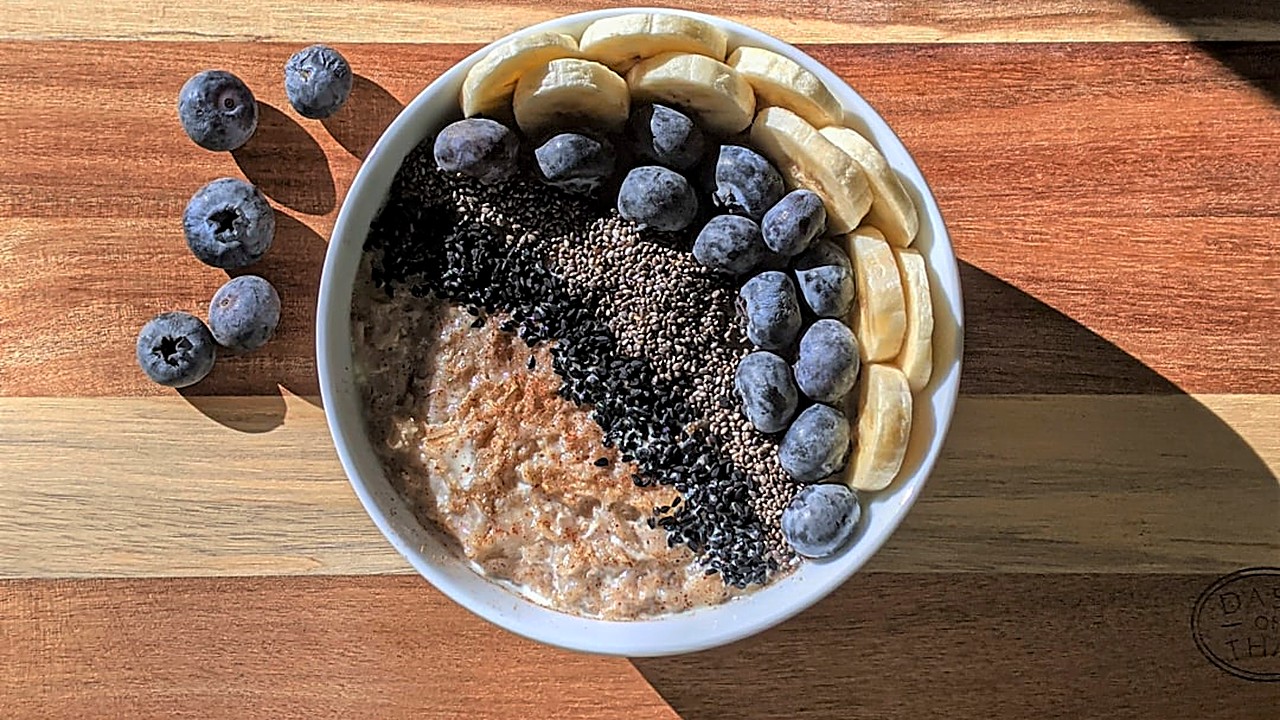
Examples: two eggs with sautéed spinach and a slice of whole grain toast, or plain yogurt with berries and a spoonful of nuts. These are only ideas, not a prescription.
What are the warning signs that you should see a doctor?
Do not guess if you have symptoms. Call a doctor if you notice:
- Being very thirsty and urinating much more than usual.
- Blurry vision.
- Feeling very tired for no clear reason.
- Cuts or sores that heal slowly.
- Tingling or numbness in hands or feet.
- Frequent shaking, sweating, or confusion between meals.
Seek urgent care if you feel faint, very confused, or cannot keep fluids down, or if your meter shows a very high or very low number and you feel unwell. A simple blood test can tell you where you stand, and early action often makes a big difference.
You should also talk to a professional before skipping meals if you are pregnant, are a teenager, have a history of an eating disorder, or take any medicine for blood sugar or blood pressure.
What should you do this week?
Pick one lunch you eat often. For one week, eat a balanced breakfast before it. For the next week, skip breakfast and eat the same lunch. Write down how you feel and, if you have a meter and your doctor agrees, the numbers before and two hours after. Bring the notes to your next appointment. If you have never had your fasting sugar or A1C checked, ask for the test. It is quick, and it gives you a real number instead of a guess.
FAQ
Does skipping breakfast raise blood sugar?
For some people it raises the spike after the next meal, especially with prediabetes or type 2 diabetes. In others there is little change. Results differ from person to person, so testing your own response helps.
What is a normal fasting blood sugar?
For most adults, under 100 mg/dL after 8 hours without food. A reading of 100 to 125 is in the prediabetes range, and 126 or higher on two tests is in the diabetes range. Ask your doctor to confirm.
Is it safe to skip meals if I take diabetes medicine?
Not without medical advice. Insulin and some pills can push blood sugar too low if you skip a meal. Ask your doctor or pharmacist before you change when you eat.
Simple health wins in your inbox. No hype.
Educational content, not medical advice. Talk to your doctor before making health decisions.