Fiber and Blood Sugar: How Much to Eat and What to Add First
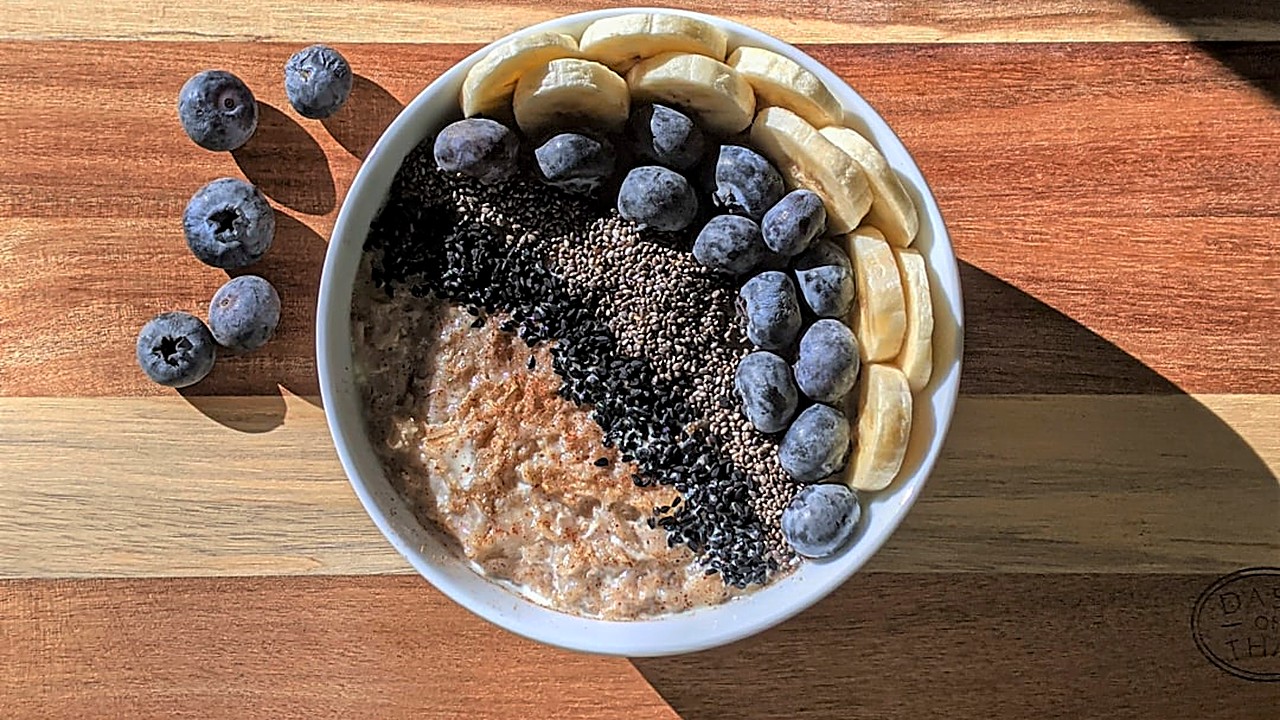
Quick answer: Fiber helps keep blood sugar steadier because it slows digestion, so sugar enters your blood more gradually. Many adults are advised to aim for about 25 to 38 grams a day. Add it slowly, drink more water, and start with beans, oats, vegetables, berries and chia. If you take diabetes medicine, tell your doctor before changing your diet.↗ Share on X
Fiber helps keep your blood sugar steady because it slows down how fast your body digests food. When digestion is slower, sugar enters your blood bit by bit instead of all at once, so you get smaller spikes. Many adults are advised to aim for roughly 25 to 38 grams of fiber a day, and most people eat about half of that.
This article shows you how to get there in a simple, realistic way. It is for general education only. If you have diabetes, prediabetes, or take medicine for blood sugar, talk to your doctor or a registered dietitian before making big changes.
How does fiber actually keep blood sugar stable?
 Nighttime Racing Mind: Why It Happens and How to Slow It Down →
 How to Use Baking Soda Safely to Reduce Gum Bleeding →
 Lower Blood Sugar Naturally: What to Check and Do First →
Fiber is the part of plant foods your body cannot fully break down. It passes through you mostly intact, and on the way it does a few useful things:
- It slows the stomach. Soluble fiber turns into a gel with water. That gel makes food leave your stomach more slowly.
- It slows sugar absorption. Sugar from the same meal enters the blood over a longer time, so the rise is gentler.
- It keeps you full. You feel satisfied longer, which can make it easier to avoid snacking on sweets.
- It feeds good gut bacteria. These bacteria make compounds that research links to better health, though scientists are still learning how much this affects blood sugar.
Think of it this way. A glass of juice is like pouring sugar into your blood in one go. A whole orange, with its fiber, is more like a slow drip.
Simple health wins in your inbox. No hype.
How much fiber do I need each day?
Affiliate link. We may earn a commission on purchases, at no extra cost to you.
This content is informational and is not a substitute for medical advice. Supplements do not cure or treat diseases.
Here are common guidelines for adults. Your own needs may differ, so ask your doctor.
| Group | Daily fiber goal (general guide) |
|---|---|
| Women up to 50 | About 25 grams |
| Men up to 50 | About 38 grams |
| Women over 50 | About 21 grams |
| Men over 50 | About 30 grams |
Another way to say it: about 14 grams of fiber for every 1,000 calories you eat.
If you eat much less than this today, do not jump to the top number tomorrow. Add about 5 grams every week or two. A fast jump can cause gas, bloating and cramps.
Which foods have the most fiber?
 Do Late-Night Carbs Raise Your Morning Blood Sugar Numbers? →
 Apple Cider Vinegar for Blood Sugar: What It Can Really Do →
 Normal Blood Sugar by Age: The Numbers That Really Matter →
Here are everyday foods and their approximate fiber content. Labels vary, so check the package.
| Food | Portion | Fiber (approx.) |
|---|---|---|
| Lentils, cooked | 1/2 cup | 7 to 8 g |
| Black beans, cooked | 1/2 cup | 7 to 8 g |
| Chia seeds | 1 tablespoon | 4 to 5 g |
| Raspberries | 1/2 cup | 4 g |
| Oats, cooked | 1 cup | 4 g |
| Pear with skin | 1 medium | 5 to 6 g |
| Broccoli, cooked | 1/2 cup | 2 to 3 g |
| Almonds | 1 ounce (a small handful) | 3 to 4 g |
| Whole wheat bread | 1 slice | 2 to 3 g |
Notice that beans and lentils win by a lot. If you do only one thing, add a half cup of beans or lentils to one meal a day.
What are the best swaps to make this week?
You do not need to rebuild your diet. Swap one thing at a time:
1. White rice to brown rice, or half and half. Mixing is a good way to start.
2. White bread to 100% whole grain. Look for the word "whole" first in the ingredient list, and at least 3 grams of fiber per slice.
3. Juice to whole fruit. An orange has fiber. Orange juice mostly does not.
4. Sugary cereal to oatmeal or a high fiber cereal. Choose one with 5 grams or more of fiber and little added sugar.
5. Chips to nuts, or to raw vegetables with hummus.
6. Add beans to soups, salads and rice dishes. Canned beans work fine. Rinse them to cut salt.
7. Leave the skin on potatoes, apples and pears when you can.
What does a day with about 30 grams of fiber look like?
Here is a simple example. Adjust it to your tastes, your budget and what your doctor recommends.
1. Breakfast: 1 cup of cooked oats with 1 tablespoon of chia and 1/2 cup of berries. About 9 to 10 g.
2. Snack: 1 pear with the skin and a small handful of almonds. About 8 to 9 g.
3. Lunch: A salad with 1/2 cup of black beans, mixed vegetables and olive oil, plus a slice of whole grain bread. About 10 to 12 g.
4. Dinner: Grilled chicken or fish with 1/2 cup of cooked broccoli and 1/2 cup of brown rice. About 5 g.
That adds up to about 32 to 36 g. If that is too much, drop one snack and build up slowly.
Should I eat the fiber first or last in the meal?
Some small studies suggest that eating vegetables and protein before the starchy foods in a meal may lead to a smaller blood sugar rise afterward. The evidence is still limited, and results vary from person to person. It costs nothing to try. Start with salad or vegetables, then protein, then bread or rice, and see how you feel. If you check your blood sugar, you can compare the results with your usual meals.
How do I avoid gas and bloating?
Too much fiber too fast is the most common reason people quit. Protect yourself:
1. Go slow. Add 5 grams a week.
2. Drink more water. Fiber needs water to work. Aim for several glasses through the day, unless your doctor limits your fluids.
3. Chew well and eat slowly.
4. Rinse canned beans and soak dried beans overnight, then discard the soaking water.
5. Spread fiber over the day instead of eating it all in one meal.
6. Try one new fiber food at a time so you can tell which one bothers you.
Gas usually settles down in a couple of weeks as your gut adjusts. If you have lasting pain, blood in your stool, or unexplained weight loss, see a doctor.
What about fiber supplements?
Food is the best first choice, since it also brings vitamins, minerals and other helpful compounds. Supplements such as psyllium husk can help if you cannot reach your goal from food. If you use one, start with a small amount, take it with a full glass of water, and keep it away from the time you take medicine. Fiber can slow how medicines are absorbed, so ask your doctor or pharmacist when to take it.
When should I talk to a doctor?
Fiber is a helpful tool, but it is not a treatment on its own. Talk to your doctor or dietitian if:
- you have diabetes and take insulin or other medicine that lowers blood sugar. Eating more fiber can lower your readings, and your dose may need to be adjusted,
- you often have signs of high blood sugar, such as extreme thirst, frequent urination, blurred vision or unusual tiredness,
- you have a digestive condition, such as Crohn's disease, ulcerative colitis or a bowel blockage, where a high fiber diet may need to be adjusted,
- you have had a blood sugar reading much higher than normal, or a doctor has told you that you have prediabetes.
Never stop a prescribed medicine and replace it with diet changes on your own.
Your next step: add one fiber food to lunch today
Do not change everything this week. Pick one move, and do it today:
1. Buy or open a can of beans or lentils.
2. Add a half cup to your lunch or dinner.
3. Drink an extra glass of water with the meal.
4. Do this for one week, then add a second move, like oats for breakfast.
If you track your blood sugar, write down your readings before and after the change and show them to your doctor at your next visit. Small, steady steps are what make this work.
FAQ
How much fiber should I eat a day to help blood sugar?
Common guidelines suggest about 25 grams a day for women and 38 grams for men, or roughly 14 grams per 1,000 calories. Most people eat about half of that. Raise your intake slowly over a few weeks to avoid gas and bloating.
Which type of fiber helps blood sugar most?
Soluble fiber, the kind that forms a gel in water, is the type most linked to smoother blood sugar. It is found in oats, beans, lentils, apples, chia and flax. Insoluble fiber, found in whole grains and vegetable skins, helps digestion and is also worth eating.
Can fiber replace my diabetes medicine?
No. Fiber is a helpful part of eating well, but it does not replace medicine your doctor prescribed. Never stop or change a dose on your own. As you eat more fiber, your blood sugar may change, so keep checking it and share the results with your care team.
Simple health wins in your inbox. No hype.
Educational content, not medical advice. Talk to your doctor before making health decisions.