Safe over-the-counter supplements to help lower blood sugar
Quick answer: Some over-the-counter supplements like berberine, cinnamon, and alpha-lipoic acid may help lower blood sugar. Always check with a doctor first. Start with small doses and watch for side effects.↗ Share on X
Why blood sugar matters and when supplements can help
 Apple Cider Vinegar for Fast Blood Sugar Control →
 Drinking Water Can Lower Blood Sugar Naturally →
 How Mindfulness Meditation May Quiet Ringing in Your Ears →
High blood sugar happens when your body can’t use glucose properly. This can lead to fatigue, frequent urination, and long-term problems like nerve damage or heart disease. Diet, exercise, and medication usually come first. But some people wonder if over-the-counter supplements can give a little extra support.
Supplements are not magic pills. They work best when combined with healthy habits. Some have mild effects on blood sugar. Others show promise in small studies. Always talk to your doctor before trying any new supplement, especially if you take diabetes medication.
I once met a retired teacher who tried cinnamon capsules after reading online stories. She felt steadier energy during the day. But she also cut back on sugary snacks at the same time. That mix of diet change and supplement made the biggest difference.
Simple health wins in your inbox. No hype.
Supplements with the best evidence for blood sugar control
Affiliate link. We may earn a commission on purchases, at no extra cost to you.
This content is informational and is not a substitute for medical advice. Supplements do not cure or treat diseases.
Berberine: A plant compound with strong effects
Berberine comes from plants like goldenseal and barberry. Studies show it can lower fasting blood sugar by about 20 to 30 mg/dL on average. That’s similar to some diabetes drugs in mild cases. The usual dose is 500 mg, two or three times a day with meals.
Berberine works by slowing sugar absorption in the gut. It also helps cells take in glucose better. But it can upset your stomach or cause diarrhea. Start with a low dose to see how your body reacts.
A friend with prediabetes took berberine for three months. She checked her levels every two weeks. Her morning numbers dropped from 110 to 95 mg/dL. Still, she kept eating balanced meals and walking after dinner. No single pill did the trick alone.
Cinnamon: More than just a spice
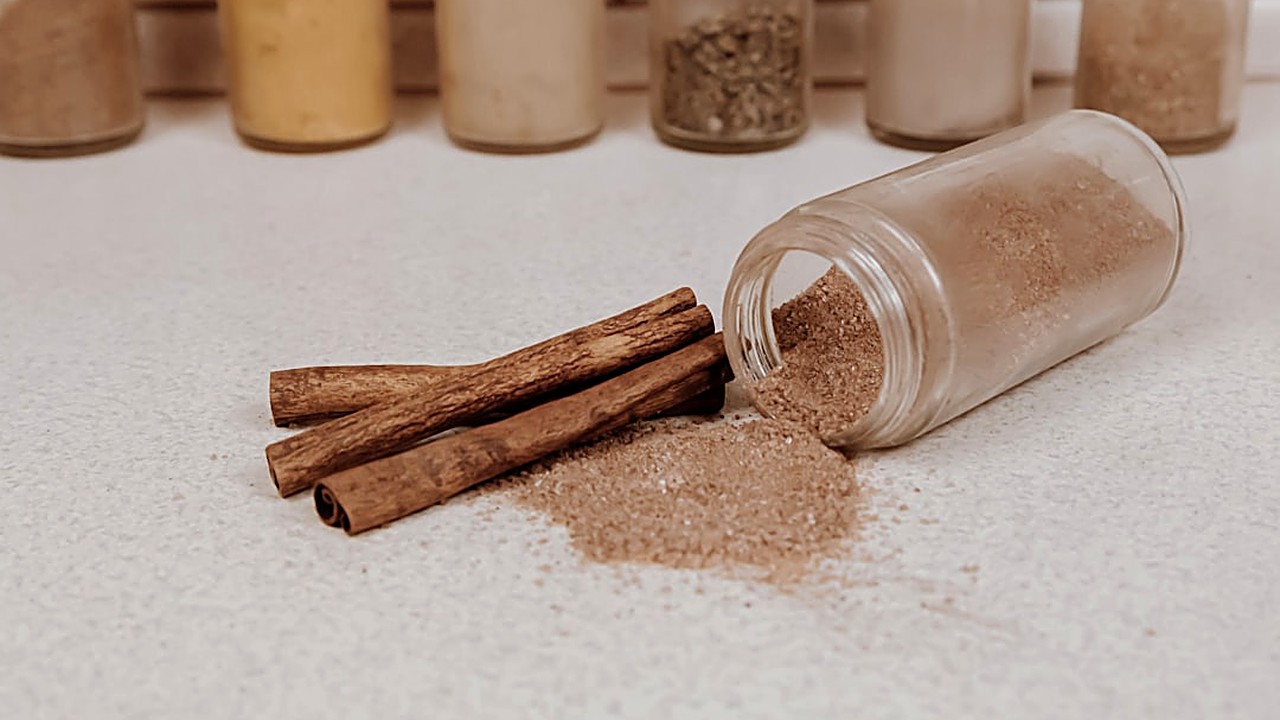
Cinnamon is easy to find and tastes good in oatmeal or tea. Two types matter most: Ceylon (true cinnamon) and cassia (common in stores). Cassia has more of a compound called coumarin, which can affect the liver in high amounts.
Research shows cinnamon may lower fasting blood sugar by 10 to 29 mg/dL. The best dose is 1 to 6 grams a day (about ½ to 2 teaspoons). Sprinkle it on food or take capsules. Give it at least four weeks to show effects.
I know a couple who added cinnamon to their morning routine. They stirred half a teaspoon into Greek yogurt with nuts. After two months, their doctor noted a small but steady drop in their A1C. They also cut portion sizes of white rice and bread.
Alpha-lipoic acid: A helper for nerve and sugar balance
Alpha-lipoic acid (ALA) is made by the body and also found in spinach, broccoli, and organ meats. It helps turn glucose into energy and reduces damage from high sugar levels. Studies suggest it may lower fasting blood sugar by 10 to 15 mg/dL.
ALA comes in capsules, usually 300 to 600 mg per day. Some people feel tingling or skin rash at higher doses. Split the dose if you take more than 300 mg to avoid side effects.
A neighbor with mild neuropathy took ALA for six weeks. She noticed less pain in her feet and her morning glucose stayed below 100 mg/dL. She kept up her walks and drank more water. Again, the supplement supported her routine, not replaced it.
Chromium: A trace mineral with mixed results
Chromium helps insulin work better. Some studies show it can lower fasting glucose by 5 to 10 mg/dL. The typical dose is 200 to 400 micrograms daily. Good food sources include broccoli, green beans, and nuts.
Not all research agrees on chromium’s benefits. Some people respond well; others see little change. Side effects are rare but can include stomach upset or sleep changes.
Magnesium: Often low in people with diabetes
Low magnesium levels are common in people with type 2 diabetes. Magnesium helps control blood sugar by improving insulin sensitivity. A daily dose of 300 to 400 mg may help, especially if your diet lacks magnesium-rich foods like leafy greens, beans, and seeds.
Magnesium glycinate is gentle on the stomach. Magnesium oxide works for short-term use but may cause diarrhea. Check with your doctor if you have kidney issues.
Fenugreek seeds: A kitchen spice with benefits
Fenugreek seeds contain soluble fiber that slows sugar absorption. Studies show they can lower fasting glucose by 10 to 20 mg/dL. Soak one teaspoon of seeds overnight, then eat them in the morning. Or take 5 to 10 grams of seed powder daily in capsules.
Fenugreek may also help lower LDL cholesterol. But it can cause gas or diarrhea in some people. Start with a small amount to test tolerance.
How to choose and use supplements safely
 Portion Control Tips to Keep Blood Sugar Stable After Meals →
 How to Reduce Medication-Induced Ear Ringing Naturally and Safely →
 Can a Quiet Room Make Tinnitus Worse and How to Reduce the Noise →
Start with one supplement at a time
Adding too many pills at once can cause confusion and side effects. Pick one supplement with the best evidence for your needs. Track your blood sugar before and after to see if it helps.
Check for interactions with medications
Some supplements can lower blood sugar too much when combined with diabetes drugs. Berberine, for example, may increase the effect of metformin or insulin. Always tell your doctor about every pill or vitamin you take.
Watch for side effects and quality labels
Stomach upset, dizziness, or skin rashes are signs to stop. Buy supplements with third-party testing labels like USP, NSF, or ConsumerLab. These labels mean the product contains what the label says and no harmful fillers.
Pair supplements with real food and movement
A supplement is a helper, not a hero. Pair it with meals rich in fiber, healthy fats, and lean protein. Walking for 20 minutes after meals can also help lower blood sugar spikes.
I remember a retired nurse who took magnesium and cinnamon. She also swapped white bread for whole-grain toast and walked after lunch. Her A1C dropped from 6.8 to 6.2 in six months. The supplement gave a small boost, but her diet and activity made the biggest change.
When to avoid supplements for blood sugar
Supplements are not safe for everyone. Avoid them if you:
- Take insulin or sulfonylureas without medical supervision
- Have liver or kidney disease
- Are pregnant or breastfeeding
- Have allergies to any of the ingredients
Always ask your doctor before starting any new supplement. They can help you weigh risks and benefits based on your health history.
Simple routines to support blood sugar every day
Morning habits
- Drink a glass of water with lemon after waking up
- Eat a breakfast with protein, fiber, and healthy fat (for example, eggs with avocado on whole-grain toast)
- Take your supplement with the first meal if your doctor approves
Afternoon habits
- Have a small handful of nuts or a piece of fruit with protein for a snack
- Go for a 10- to 15-minute walk after lunch
- Check your blood sugar if you feel symptoms like shakiness or fatigue
Evening habits
- Eat dinner at least two to three hours before bedtime
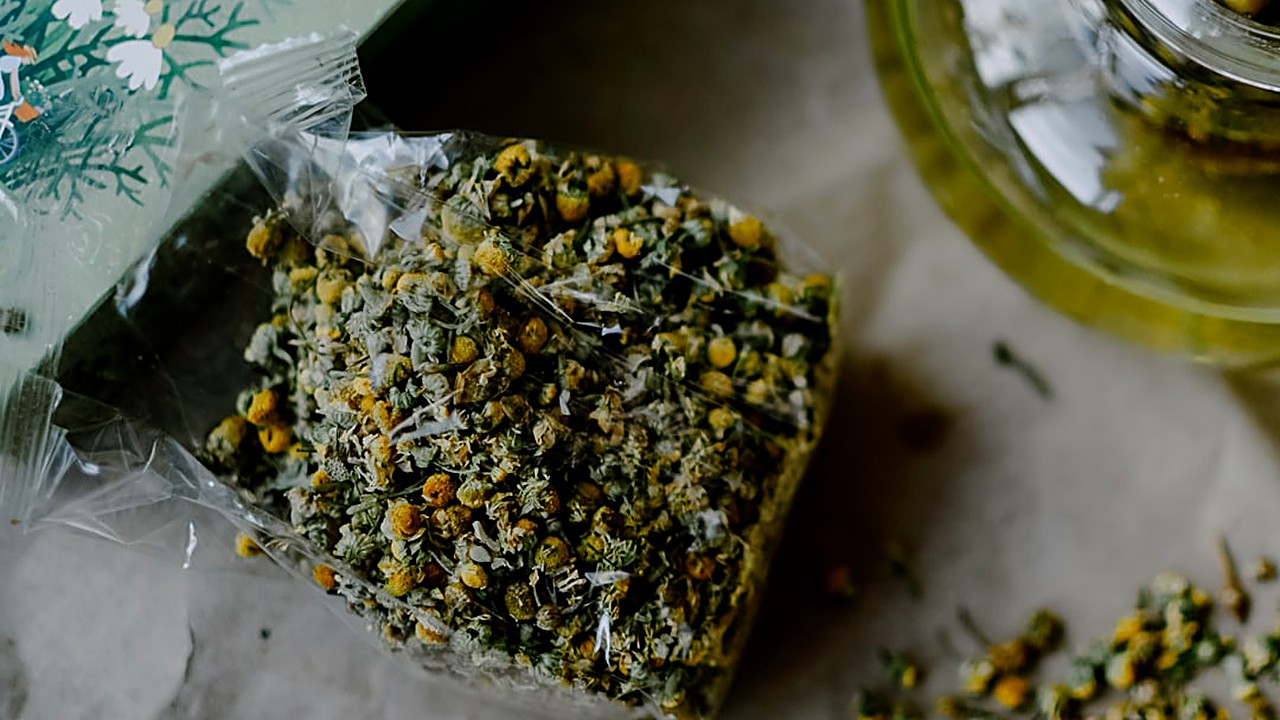
- Try a cup of chamomile tea or cinnamon tea after dinner
- Take a short walk or do gentle stretching before bed
These small steps add up over time. Supplements can fit into this routine, but they don’t replace it.
Signs your supplement may be working (or not)
Signs it might be helping:
- Morning blood sugar stays below 100 mg/dL more often
- Energy levels feel steadier through the day
- Cravings for sweets decrease slightly
Signs it might not be helping:
- Blood sugar numbers stay the same or rise
- You feel jittery, dizzy, or unusually tired
- You notice new stomach upset or rashes
If you see no change after six to eight weeks, talk to your doctor. They may suggest adjusting your dose or trying a different approach.
Common myths about supplements and blood sugar
Myth 1: "All natural supplements are safe."
Truth: Natural doesn’t always mean safe. Some plants and herbs can interact with medications or cause side effects. Always research and ask a professional.
Myth 2: "More is always better."
Truth: High doses can cause problems. For example, too much cinnamon may irritate the stomach or liver. Follow the suggested dose on the label or your doctor’s advice.
Myth 3: "Supplements can replace medication."
Truth: Never stop taking prescribed medication without talking to your doctor. Supplements can support treatment but are not a substitute.
Myth 4: "If it works for one person, it will work for everyone."
Truth: People respond differently. What helps your friend may not help you. Track your own results and adjust as needed.
Where to find reliable information
- National Institutes of Health Office of Dietary Supplements website
- Mayo Clinic’s guide to supplements for diabetes
- ConsumerLab reviews of supplement quality
- Your local pharmacist or registered dietitian
These sources give clear, science-based facts without sales pressure.
Final tips from real life
- Keep a simple log of your blood sugar, meals, and supplement doses
- Share updates with your healthcare team at each visit
- Stay patient. Blood sugar control is a gradual process
One reader told me she felt discouraged after one month of cinnamon. She almost quit. But when she stuck with it for three months and added a daily walk, her numbers improved. Small, steady changes matter most.
This article is for general information only and is not medical advice. Talk to a healthcare professional before making changes to your diet, supplements, or medication.
Frequently asked questions
Can I take berberine with metformin?
Berberine may increase the effects of metformin, which could lower blood sugar too much. Always talk to your doctor before combining them. They may adjust your medication dose or monitor you closely.
How long does it take for cinnamon to lower blood sugar?
Most studies show effects after four to twelve weeks of daily use. Add cinnamon to meals and track your morning glucose to see if it helps you.
Are there any supplements I should avoid if I have kidney disease?
Avoid high-dose magnesium, chromium, and alpha-lipoic acid if you have kidney issues. These can build up in the body. Ask your doctor which supplements are safe for your condition.
Can I take multiple supplements at once for better results?
It’s safer to start with one supplement and see how your body reacts. Adding too many at once can cause side effects or interactions. Track your blood sugar and any changes in how you feel.
What should I do if my blood sugar drops too low after taking a supplement?
Stop taking the supplement and call your doctor. Low blood sugar (below 70 mg/dL) can cause shakiness, sweating, or confusion. Eat a small snack with 15 grams of fast-acting carbs like fruit juice or glucose tablets.
*This article is for general information only and is not medical advice. Talk to a healthcare professional before making changes to your diet, supplements, or medication.*
Simple health wins in your inbox. No hype.
Educational content, not medical advice. Talk to your doctor before making health decisions.