Gums Pulling Away? Gentle Ways to Help at Home

Quick answer: Gums pulling away from teeth often signal gum recession. Gentle brushing, salt water rinses, and eating crunchy fruits can help. Avoid hard brushing and smoking. See a dentist if gums keep receding or bleed often. This is not a cure but may slow the process.↗ Share on X
Why gums pull away from teeth (and what it means)
 Natural Ways to Calm Gum Swelling at Home Safely →
 Can Low Vitamin D Cause Gum Bleeding and How to Treat It →
 Natural Ways to Strengthen Loose Teeth from Gum Disease →
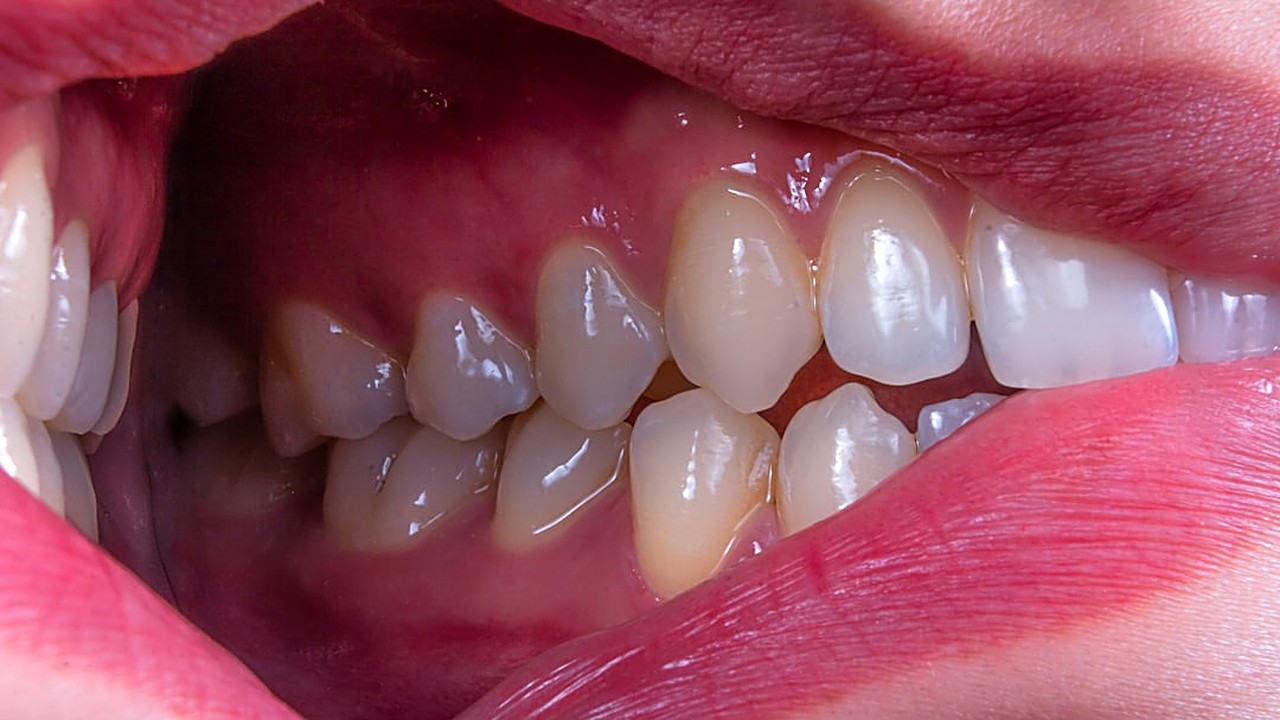
Gums that shrink or pull back from teeth are called gum recession. This happens slowly over time. The pink gum tissue wears away, exposing more of the tooth root. You might notice teeth look longer or feel sensitive to hot, cold, or sweet foods.
Common causes include:
- Brushing too hard. Over time, hard brushing wears down gum tissue like sandpaper on wood.
- Gum disease (gingivitis or periodontitis). Inflammation from bacteria attacks gum attachment.
- Smoking or chewing tobacco. These habits reduce blood flow to gums, making them weaker.
- Teeth grinding (bruxism). Clenching puts pressure on gums and pulls them down.
- Genetics. Some people naturally have thinner gum tissue.
- Poor oral care. Not brushing or flossing lets plaque build up and irritate gums.
- Hormonal changes. Women may notice gum changes during pregnancy or menopause.
I once saw a patient who brushed with a medium-bristle brush twice daily for years. His gums had receded noticeably near the front teeth. After switching to a soft brush and gentle technique, his dentist noted less recession after six months.
Simple health wins in your inbox. No hype.
First signs to watch for at home
Affiliate link. We may earn a commission on purchases, at no extra cost to you.
This content is informational and is not a substitute for medical advice. Supplements do not cure or treat diseases.
You can check for early recession without special tools. Stand in front of a mirror with good light. Look closely at your gums and teeth.
Signs to notice:
- Teeth appear longer than before.
- You see a yellowish area near the gum line (this is the tooth root).
- Gums feel tender or bleed when brushing.
- A notch or gap forms between gum and tooth.
- Bad breath that doesn’t go away with brushing.
Try this test: Run your tongue gently along your teeth. If you feel a bump or dip near the gum line, it may be early recession. Don’t panic. Small changes can often slow or stop further pulling.
Gentle brushing: the foundation of gum care
 Can a magnesium-rich diet reduce ear ringing naturally →
 Can loud concerts really damage your hearing? What to know →
 Why Gums Bleed When You Brush Too Hard and How to Stop It →
Brushing removes plaque that causes gum disease. But brushing wrong makes recession worse. Use a soft-bristle toothbrush. Soft bristles clean well without damaging gums.
How to brush gently:
- Hold the brush like a pencil. Don’t grip tightly.
- Tilt the brush at a 45-degree angle toward the gum line.
- Use short, gentle circles. Don’t scrub back and forth.
- Brush for two minutes, twice a day. Focus on all surfaces.
- Replace your brush every three to four months, or when bristles fray.
Electric toothbrushes with pressure sensors can help. They beep if you press too hard. One friend switched to an electric brush and noticed less gum soreness within weeks.
Rinse with salt water: a simple healing trick
Salt water helps reduce gum inflammation and bacteria. It’s an old remedy still used today. Mix one teaspoon of salt in a cup of warm water. Swish gently for 30 seconds, then spit out. Do this once or twice daily after brushing.
Salt water:
- Soothes irritated gums.
- Helps remove food particles stuck between teeth.
- Reduces swelling if gums are red or puffy.
Avoid swallowing the rinse. If you feel a burning sensation, use less salt next time. Some people add a drop of tea tree oil for extra bacteria-fighting power, but check with a dentist first.
Eat crunchy fruits and vegetables daily
Crunchy foods act like natural toothbrushes. They massage gums and clean teeth without scrubbing. Eating them daily helps remove plaque gently. Good choices include:
- Apples (with skin)
- Carrots
- Celery
- Pears
- Cucumbers
Chewing these foods increases saliva. Saliva washes away bacteria and neutralizes acids. A small study found people who ate an apple daily had less plaque than those who didn’t.
Avoid sticky or sugary snacks. They feed harmful bacteria that cause gum disease. If you snack often, rinse your mouth with water afterward.
Stop smoking to protect your gums
Smoking harms blood vessels in gums. This reduces oxygen and nutrients, making gums weaker and more likely to pull away. Quitting is hard, but even cutting back helps.
Benefits of quitting smoking for gums:
- Blood flow improves within days.
- Gum tissue starts to heal.
- Risk of gum disease drops significantly.
- Breath smells fresher.
If you need help quitting, talk to your doctor. Support groups and nicotine patches can make it easier. One patient told me quitting cigarettes reduced his gum bleeding within a month.
Try oil pulling (but do it the right way)
Oil pulling is an ancient practice. It involves swishing oil in your mouth to clean teeth and gums. Coconut oil is popular, but sesame or sunflower oil work too.
How to do it safely:
- Take one tablespoon of oil.
- Swish gently for 10 to 15 minutes. Don’t gargle.
- Spit the oil into a trash can (it can clog drains).
- Rinse with warm water and brush as usual.
Oil pulling may:
- Reduce harmful bacteria.
- Decrease gum inflammation.
- Freshen breath.
Do not swallow the oil. If you feel nauseated, stop. Oil pulling is not a replacement for brushing or flossing.
Use a water flosser for gentle cleaning
Flossing removes plaque between teeth where a brush can’t reach. But flossing too hard can hurt receding gums. A water flosser uses a gentle stream of water to clean between teeth and along the gum line.
How to use it:
- Fill the reservoir with warm water.
- Choose a low or medium pressure setting.
- Aim the tip at a 90-degree angle to the gum line.
- Move slowly from tooth to tooth.
- Clean the gum line and between teeth for 30 to 60 seconds.
Water flossers are especially helpful for people with braces, bridges, or sensitive gums. One dental hygienist I know recommends water flossers to patients with early recession. Many notice less bleeding after a few weeks.
Watch what you drink and eat
Some foods and drinks can make gum recession worse. Acidic drinks like soda, citrus juices, and coffee can erode gum tissue over time. Sugary drinks feed bacteria that cause gum disease.
Tips to protect your gums:
- Drink water after acidic or sugary drinks to rinse your mouth.
- Use a straw for acidic drinks to limit contact with teeth and gums.
- Eat more calcium-rich foods like yogurt, cheese, and leafy greens. Calcium supports strong teeth and gums.
- Avoid very hot foods and drinks if your gums are sensitive.
A patient once told me her dentist noticed less gum recession after she cut back on soda and started drinking green tea daily. Small changes can add up.
When to see a dentist right away
Home care helps, but some signs mean you need professional help. See a dentist if you notice:
- Gums that bleed often when brushing or flossing.
- Teeth that feel loose or move slightly.
- Pus or swelling around teeth.
- Pain or discomfort in gums.
- Gum recession that gets worse quickly.
A dentist can check for gum disease, measure recession depth, and suggest treatments like deep cleaning or gum grafts. Early care prevents bigger problems later.
I once met a woman who ignored bleeding gums for years. By the time she saw a dentist, she needed surgery to repair severe recession. A simple checkup could have caught the problem earlier.
Small daily habits that add up over time
Gum health depends on daily care. Small, consistent habits protect gums better than occasional deep cleaning. Build a routine that fits your life.
A simple daily plan:
- Brush gently twice a day with a soft brush.
- Floss or use a water flosser once a day.
- Rinse with salt water after brushing.
- Eat crunchy fruits or vegetables daily.
- Drink water instead of sugary or acidic drinks.
- Avoid smoking or chewing tobacco.
Track your progress. Notice if gums bleed less or feel firmer. If recession continues, talk to a dentist. They can find the cause and suggest the best next steps.
What doesn’t work (and can make things worse)
Some home remedies sound helpful but can harm gums. Avoid these:
- Hard-bristle toothbrushes. They scratch gum tissue and speed up recession.
- Lemon juice or baking soda scrubs. Acid and abrasives wear away gum and enamel.
- Over-the-counter gum numbing gels. They mask pain but don’t fix the cause.
- DIY gum grafts at home. These are dangerous and can cause infections.
Stick to gentle, proven methods. If a remedy feels harsh or causes pain, stop using it.
Final thoughts: patience and consistency matter
Gum recession often happens slowly. With gentle care, you can slow it down or stop it from getting worse. Home care is not a quick fix, but it builds a strong foundation for long-term gum health.
Remember:
- Be patient. Healing takes weeks or months.
- Stay consistent. Daily care makes the biggest difference.
- Listen to your body. If something hurts or feels wrong, check with a dentist.
Small steps today protect your smile for years to come.
Frequently asked questions
Can receding gums grow back on their own?
Gums usually do not grow back once they recede. Gentle care can slow or stop further pulling, but lost tissue rarely returns without professional treatment.
Is it okay to floss if my gums are receding?
Yes, but do it gently. Use waxed floss or a water flosser to avoid hurting sensitive gums. If flossing causes bleeding or pain, switch to a gentler method.
How long does it take to see improvement with home care?
You may notice less bleeding or soreness within a few weeks. Full healing takes months. If recession continues after three to six months of gentle care, see a dentist.
Can oil pulling really help receding gums?
Oil pulling may reduce bacteria and inflammation, which can help gums feel healthier. It is not a cure for recession, but some people notice less gum irritation with regular use.
What should I do if my gums bleed every time I brush?
Bleeding gums often mean inflammation or early gum disease. Switch to a soft brush and gentle technique. Rinse with salt water after brushing. If bleeding continues after two weeks, see a dentist to check for gum disease.
*This article is for general information only and is not medical or dental advice. Talk to a healthcare or dental professional about your situation.*
Simple health wins in your inbox. No hype.
Educational content, not medical advice. Talk to your doctor before making health decisions.