Fruits That Are Safe for People With Diabetes: Low‑Impact Choices
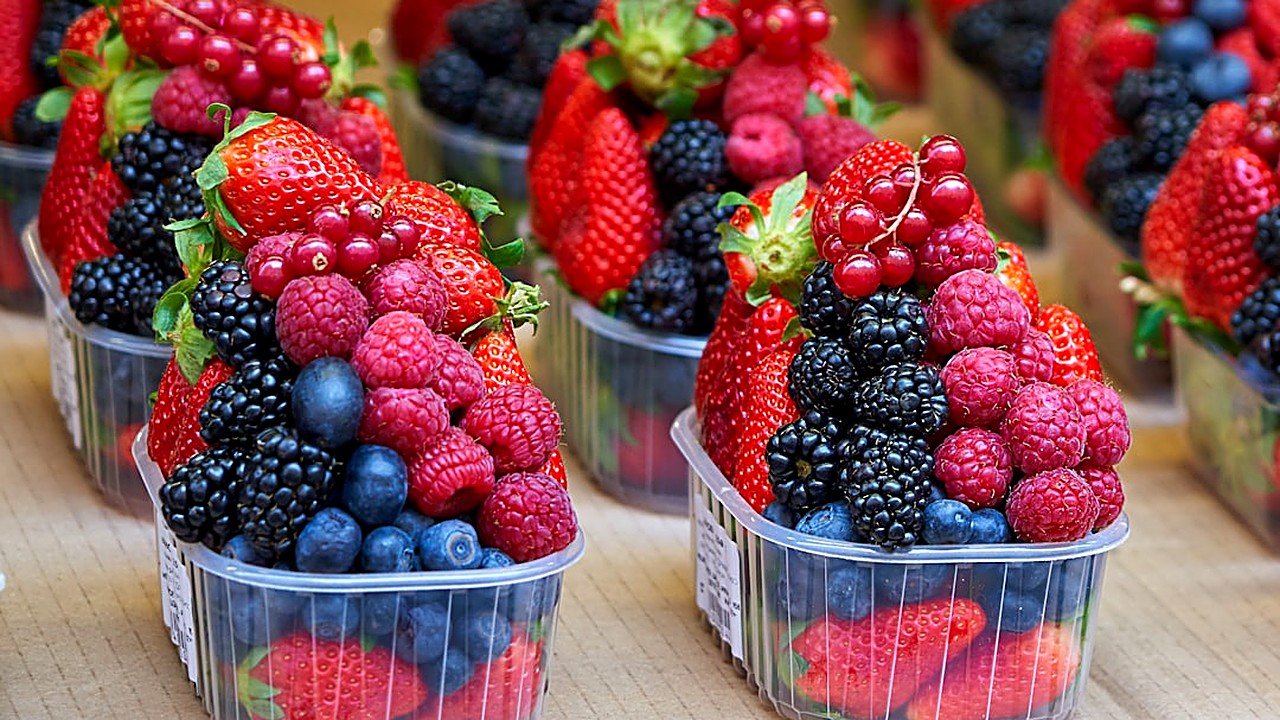
Quick answer: Most low‑glycemic fruits such as berries, cherries, apples, pears, and citrus can be eaten by people with diabetes in moderate portions. Choose fresh or frozen options without added sugar, and pair them with protein or healthy fat to keep blood sugar steady.↗ Share on X
Understanding Fruit and Blood Sugar
 Natural Ways to Lower High Blood Sugar Before Sleep →
 Understanding Glycemic Index: Choose Foods That Keep Blood Sugar Stable →
 Can caffeine trigger tinnitus and how to limit its impact? →
Fruit contains natural sugars called fructose. When you eat fruit, the carbs are broken down into glucose, which raises blood sugar. The speed of that rise depends on the fruit’s glycemic index (GI) and the amount you eat. Low‑GI fruits cause a slower, smaller increase, while high‑GI fruits can cause a quick spike. For most adults with diabetes, the goal is to pick fruits with a low to moderate GI and keep portions small. A single serving of most low‑GI fruits contains about 15 grams of carbohydrate, which fits well into a balanced meal plan.
Research shows that berries, cherries, apples, pears, and many citrus fruits have GI values below 55. This means they raise blood sugar more gently than tropical fruits like mango or pineapple, which have higher GI scores. The fiber in these fruits also helps slow digestion, further smoothing the glucose curve. Fiber is especially important for people with diabetes because it can improve insulin sensitivity over time.
Simple health wins in your inbox. No hype.
Low‑Glycemic Fruits to Choose
Affiliate link. We may earn a commission on purchases, at no extra cost to you.
This content is informational and is not a substitute for medical advice. Supplements do not cure or treat diseases.
| Fruit | Typical GI | Serving Size (grams) |
|---|---|---|
| Strawberries | 40 | 150 (about 1 cup) |
| Blueberries | 53 | 150 |
| Raspberries | 32 | 150 |
| Blackberries | 30 | 150 |
| Cherries | 22 | 150 |
| Apples (with skin) | 38 | 150 |
| Pears (with skin) | 38 | 150 |
| Oranges | 42 | 130 |
| Grapefruit | 25 | 130 |
| Kiwi | 52 | 70 |
These values are averages; the exact number can change with ripeness and how the fruit is prepared. For example, a very ripe banana may have a higher GI than a slightly green one. When you pick fruit, look for firm, bright colors and avoid any that are mushy or have added syrups.
If you enjoy tropical flavors, you can still include them in moderation. A small slice of mango (about 50 g) or a few pieces of pineapple can fit into a meal plan if you count the carbs and pair them with protein. The key is balance, not elimination.
Portion Size and Pairing Tips
 How to Find Your Ideal Blood Sugar Range by Age →
 Main Differences Between Tinnitus and Normal Ear Ringing →
 How to calm ear ringing at night without pills →
Even low‑GI fruit can raise blood sugar if you eat too much. A good rule of thumb is to keep fruit portions to about 15 g of carbohydrate, which is roughly one small apple, a half‑cup of berries, or a single orange. Measuring cups or a kitchen scale can help you stay accurate.
Pairing fruit with protein or healthy fat slows the digestive process. Try these simple combos:
- A handful of berries with a tablespoon of plain Greek yogurt.
- Apple slices with a slice of cheese or a spoonful of almond butter.
- Orange segments mixed into a salad with avocado and grilled chicken.
These pairings not only keep blood sugar steadier but also add flavor and satiety, reducing the urge to snack later.
Practical Tips From My Kitchen
I have been cooking for my family, where my mother has lived with diabetes for over a decade. One habit we adopted is to keep a bowl of washed berries in the fridge ready for a quick snack. We always measure a half‑cup portion and add a few nuts. This routine has helped us enjoy fruit without worrying about spikes.
Another tip is to use frozen fruit in smoothies. Freeze berries, cherries, or sliced peaches without any added sugar. When you blend them with unsweetened almond milk and a scoop of protein powder, you get a balanced drink that feels like a treat but stays within carb limits.
If you love desserts, consider a fruit‑based crumble. Use sliced apples or pears, a sprinkle of cinnamon, and a small amount of oats mixed with a little melted butter. Bake until golden, and serve a warm spoonful with a dollop of low‑fat yogurt. The fiber from the fruit and oats helps keep the glycemic impact low.
Managing Fruit in a Balanced Diet
In a diabetes‑friendly eating plan, fruit is a valuable source of vitamins, minerals, and antioxidants. Vitamin C from citrus, anthocyanins from berries, and potassium from kiwi all support overall health. The goal is to fit fruit into your daily carbohydrate budget, which many guidelines set at 45‑60 g per meal for most adults.
Track your intake using a food diary or a mobile app. Write down the type of fruit, the portion size, and any accompanying foods. Over time you will see patterns and can adjust portions to match your blood‑sugar targets.
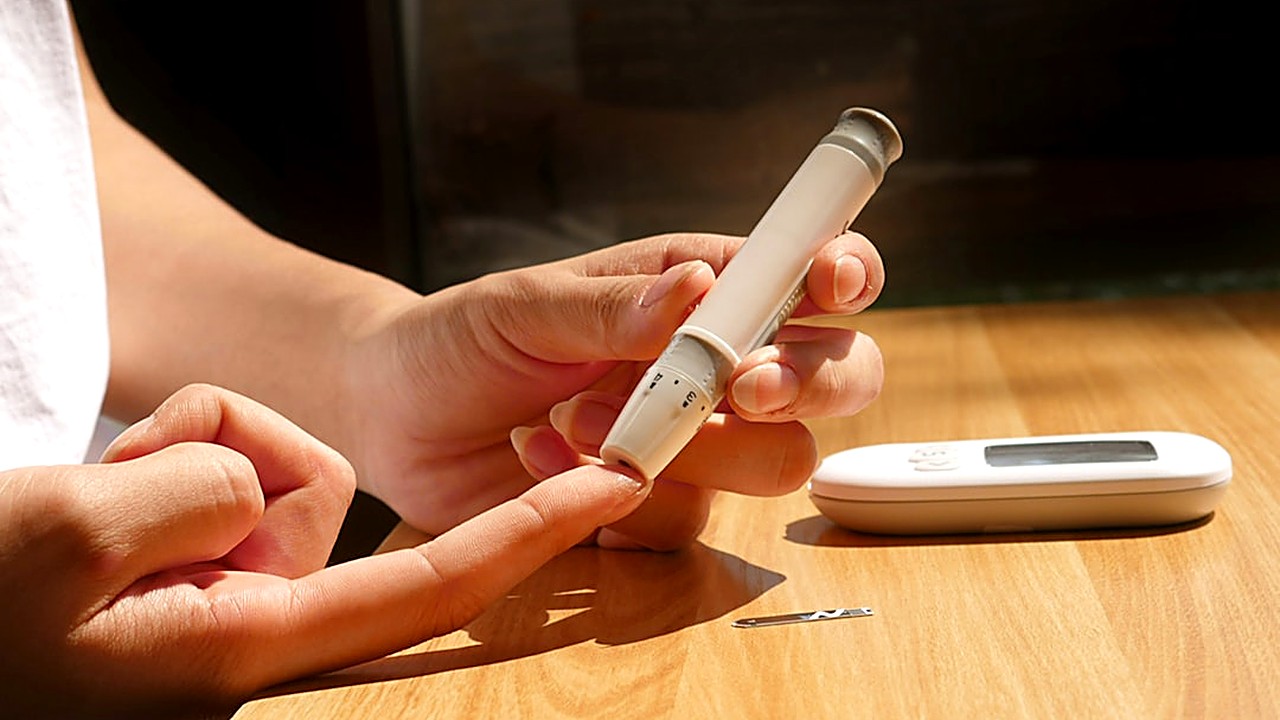
Remember that individual responses vary. Some people may see a modest rise after a small apple, while others may need a larger portion of berries before noticing a change. Testing your blood sugar before and after a fruit snack can give you personal insight.
In summary, choose low‑GI fruits, keep portions modest, pair them with protein or fat, and monitor your own response. With these steps, fruit can be a tasty, nutritious part of a diabetes‑friendly lifestyle.
This article is for general information only and is not medical advice. Talk to a healthcare professional before making changes to your diet, supplements, or medication.
Frequently asked questions
Can people with diabetes eat bananas?
Bananas have a higher glycemic index than berries, but a small portion (about 50 g) can fit into a balanced meal plan if you count the carbs and pair it with protein.
Are canned fruits safe for diabetics?
Canned fruits often contain added sugars, which raise the carbohydrate count. Choose fruits canned in water or their own juice, and rinse them before eating to reduce extra sugar.
How many berries can I eat in a day?
A typical serving is a half‑cup (about 75 g). You can have several servings spread across meals, as long as the total carbohydrate from fruit stays within your daily goal.
Do dried fruits raise blood sugar more than fresh fruit?
Yes. Drying removes water, concentrating the sugars. A small handful of raisins can contain the same carbs as a whole apple, so portion control is even more important.
Is fruit juice safe for diabetics?
Fruit juice lacks the fiber of whole fruit, so it can cause a quicker rise in blood sugar. If you drink juice, limit it to a small glass (about 120 ml) and consider mixing it with water or protein.
*This article is for general information only and is not medical advice. Talk to a healthcare professional before making changes to your diet, supplements, or medication.*
Simple health wins in your inbox. No hype.
Educational content, not medical advice. Talk to your doctor before making health decisions.