Ringing in Your Ears? 7 Habits That Can Make It Louder

Quick answer: There is no single trick that switches ear ringing off, but you can often make it quieter and less bothersome. Stop sitting in total silence, protect your ears from loud noise, skip cotton swabs, and cut back on things that raise stress and poor sleep. Ringing in one ear only, a pulsing sound, or sudden hearing loss needs a doctor quickly.↗ Share on X
If your ears are ringing, the fastest thing you can do is change a few daily habits that tend to make the sound louder: stop sitting in dead silence, turn down loud sound, keep cotton swabs out of your ears, and protect your sleep. Tinnitus (the medical name for hearing ringing, buzzing or hissing that no one else hears) usually can't be switched off in one night. But many people find it becomes quieter and much less upsetting once they stop doing the things below.
One important warning first. See a doctor the same day if you have any of these:
- sudden hearing loss in one or both ears
- ringing that pulses in time with your heartbeat
- ringing in only one ear that does not go away
- ringing with dizziness, a spinning feeling or weakness in your face
- ringing that started after a head injury
These can point to problems that need fast treatment. Sudden hearing loss in particular is treated as urgent, and waiting can lower the chance of getting hearing back.
What is actually causing the ringing?
 Nighttime Racing Mind: Why It Happens and How to Slow It Down →
 Ringing in your ears? 7 things to stop doing tonight →
 Why Is the Ringing in My Ears Louder Every Morning: Clear Reasons and Gentle Comfort →
Tinnitus is a symptom, not a disease. Something is sending the hearing part of your brain a weaker or strange signal, and the brain "fills in" the gap with sound. Common causes include:
| Common cause | What it often feels like | What usually helps |
|---|---|---|
| Loud noise (concert, power tools, gunfire) | High ringing right after the noise | Rest from noise; often fades in hours to days |
| Hearing loss that comes with age | Constant, steady high tone in both ears | Hearing test; hearing aids if needed |
| Earwax blockage | Muffled hearing plus ringing | Doctor or nurse removes the wax |
| Some medicines | Ringing that starts after a new pill | Ask your doctor; never stop a medicine alone |
| Jaw problems (TMJ) | Ringing that changes when you clench or move your jaw | Dentist or jaw specialist |
| Stress and poor sleep | Ringing that gets worse on bad days | Sleep routine, stress tools, sound therapy |
Knowing your likely cause matters, because it tells you which habits to change first.
Simple health wins in your inbox. No hype.
Mistake 1: Sitting in total silence
Affiliate link. We may earn a commission on purchases, at no extra cost to you.
This content is informational and is not a substitute for medical advice. Supplements do not cure or treat diseases.
This is the most common mistake. When the room is silent, your brain turns up its "volume knob" to listen harder. The ringing then feels louder.
Do this instead:
1. Keep a low, steady background sound on while you read, work or rest.
2. Good choices: a fan, soft rain sounds, a white noise app, or quiet music without lyrics.
3. Set the sound a little *below* the ringing, not over it. The goal is to make the ringing blend in, not to cover it with noise.
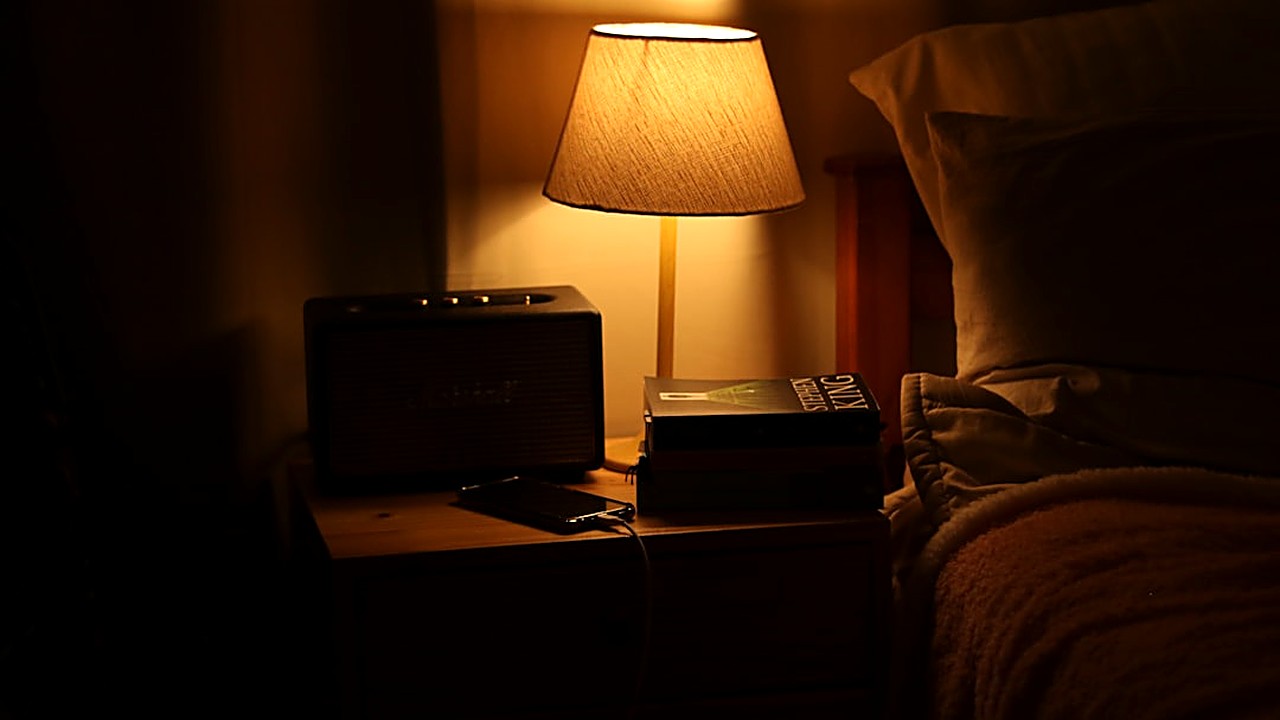
At night, a bedside fan or a small sound machine is often the single most helpful change.
Mistake 2: Using loud sound to drown it out
 Why Do Ears Ring More After Drinking Coffee or Caffeine: Clear Answers for Adults →
 Can Magnesium Calm Tinnitus and Improve Your Rest? →
 Calming Nighttime Tinnitus: Your Guide to White Noise Machines →
The opposite mistake is just as common. Some people blast earbuds to hide the ringing. Loud sound can damage the tiny hair cells in your inner ear, and damaged hair cells are one of the main causes of tinnitus in the first place.
Simple rules to follow:
- Keep earbuds or headphones at about half volume or lower.
- Take a break from headphones every hour.
- If someone next to you can hear your music, it is too loud.
- If you must shout to be heard over a machine or crowd, wear earplugs.
Foam earplugs are cheap and sold in most pharmacies. Keep a pair in your car, bag or toolbox.
Mistake 3: Cleaning your ears with cotton swabs
Cotton swabs often push earwax deeper instead of pulling it out. Packed wax can press on the eardrum and make ringing and muffled hearing worse. Swabs can also scratch the ear canal or, in bad cases, hurt the eardrum.
Do this instead:
1. Clean only the outer ear with a washcloth.
2. If you think you have a wax blockage, ask a doctor, nurse or pharmacist about safe drops.
3. Do not use ear candles. They do not remove wax and can burn you.
4. If you have ear pain, fluid coming out, or a hole in your eardrum, do not put anything in the ear. See a doctor.
Mistake 4: Starting or stopping medicines on your own
Some medicines can cause or worsen ringing. Examples include high doses of aspirin and some antibiotics, water pills and cancer drugs. The ringing may improve when a medicine is changed, but only a doctor can tell you if that is safe.
Do this instead:
- Write down every pill, vitamin and supplement you take, with the dose.
- Note the date the ringing started and whether you began anything new around that time.
- Take this list to your doctor or pharmacist and ask: "Could any of these be causing my ringing?"
Never stop a prescribed medicine by yourself. Stopping some drugs suddenly can be dangerous.
Mistake 5: Letting stress and bad sleep pile up
Stress does not usually *cause* tinnitus, but it can turn a quiet hum into something you notice all day. It works like a loop: the ringing makes you anxious, anxiety keeps you awake, and being tired makes the ringing harder to ignore.
Break the loop with small steps:
1. Go to bed and get up at the same time every day, even on weekends.
2. Keep a soft sound on in the bedroom (see Mistake 1).
3. Put your phone away 30 minutes before bed.
4. Try slow breathing: breathe in for 4 counts, hold for 2, breathe out for 6. Repeat for 5 minutes.
5. If worry about the ringing keeps you up, write the worry on paper and tell yourself you will deal with it tomorrow.
A type of talk therapy called CBT (cognitive behavioral therapy, which teaches you to change how you react to a problem) has good research support for tinnitus. It does not remove the sound, but it can make it much less distressing. Ask your doctor about it if the ringing is affecting your mood or sleep.
Mistake 6: Ignoring caffeine, alcohol and nicotine
These affect people differently. For some, coffee, alcohol or smoking make the ringing louder. For others, they change nothing. Research on caffeine is mixed, so there is no need to quit everything at once.
Test it on yourself for two weeks:
| Week | What to change | What to write down each night |
|---|---|---|
| Week 1 | Keep your normal habits | Ringing loudness from 0 to 10 |
| Week 2 | Cut back one thing (for example, coffee after noon) | Ringing loudness from 0 to 10 |
Compare the two weeks. If the ringing is lower, keep the change. If nothing changed, you can go back and test the next item instead. Cut back slowly if you drink a lot of coffee, because stopping suddenly can cause headaches.
Mistake 7: Waiting months to get a hearing test
Many people with ringing also have some hearing loss they don't know about. The two often go together. When hearing loss is treated, the brain gets more real sound, and the ringing often becomes less noticeable.
What to do:
1. Ask your regular doctor for a referral to an audiologist (a hearing specialist) or an ENT doctor (ear, nose and throat doctor).
2. Tell them how long the ringing has lasted, which ear, what it sounds like, and what makes it better or worse.
3. Ask whether hearing aids, sound therapy devices or tinnitus counseling could help you.
If the ringing started after a loud event and is still there after about a week, book that appointment. Don't just wait and hope.
Is tinnitus permanent?
It depends on the cause. Ringing after a single loud concert often fades within a day or two. Ringing caused by wax usually improves once the wax is removed. Ringing from long-term noise damage or age-related hearing loss often stays, but the way you *notice* it can change a lot. Many people report that after some months of good habits, the ringing moves to the background and stops ruling their day.
There is no pill or supplement proven to cure tinnitus. Be careful with products that promise a quick fix, especially if they cost a lot.
What can you do tonight?
Here is a short plan for the next 24 hours:
1. Turn on a fan or soft sound before bed.
2. Put your earbuds away or keep them at half volume.
3. Skip the cotton swabs.
4. Write down your medicines and when the ringing started.
5. Rate the ringing from 0 to 10 before sleep.
Your next step
Start a simple ringing diary today: date, loudness from 0 to 10, sleep hours, caffeine, and any loud noise. After one week, take it to your doctor or a hearing specialist and ask for a hearing test. If you notice sudden hearing loss, pulsing sound, one-sided ringing or dizziness at any point, don't wait for the week to end. Get seen that day.
FAQ
How do I stop ringing in my ears immediately?
There is usually no instant off switch. What often helps right away is turning on a soft background sound like a fan or rain sounds, moving away from loud noise, and calming your breathing. If the ringing came with sudden hearing loss, see a doctor the same day.
What does ringing in one ear mean?
It can be something simple like earwax, but ringing that stays in only one ear should be checked by a doctor, especially if it pulses, comes with hearing loss or causes dizziness.
Will tinnitus go away on its own?
Ringing after a single loud event often fades within a day or two. Ringing that lasts more than about a week, or that keeps coming back, deserves a hearing test so a professional can look for the cause.
Simple health wins in your inbox. No hype.
Educational content, not medical advice. Talk to your doctor before making health decisions.