How to Reduce Caffeine’s Impact on Your Sleep Naturally

Quick answer: To lessen caffeine’s effect on sleep, try drinking coffee earlier in the day, limit total caffeine to about 200 mg, stay hydrated, add magnesium‑rich foods, and create a calming evening routine without screens. These habits can help your body clear caffeine faster and improve sleep quality.↗ Share on X
Understanding Caffeine and Sleep
 Use 4-7-8 Breathing to Sleep Faster Tonight →
 Foods to Avoid at Night for Better Sleep and Less Insomnia →
 Unlock Better Sleep: Your Guide to Aromatherapy Oils →
Caffeine blocks a brain chemical called adenosine, which tells us when we are tired. When adenosine is blocked, we feel more alert. The body clears caffeine at a rate called the half‑life, usually 5 to 7 hours for most adults. This means that if you drink a cup with 95 mg of caffeine at 4 pm, about 47 mg may still be in your system at 10 pm. Studies show that even small amounts left in the bloodstream can delay the onset of deep sleep. For people over 45, the metabolism of caffeine can slow down a bit, making the timing of coffee even more important.
I have noticed that moving my last cup from late afternoon to early morning often leads to falling asleep faster. My own experience matches what many sleep researchers describe: less caffeine late in the day equals less tossing and turning at night.
Simple health wins in your inbox. No hype.
Timing Your Coffee Intake
Affiliate link. We may earn a commission on purchases, at no extra cost to you.
This content is informational and is not a substitute for medical advice. Supplements do not cure or treat diseases.
The simplest way to protect sleep is to set a cut‑off time for caffeine. A common recommendation is to stop drinking caffeinated drinks at least six hours before bedtime. If you plan to be in bed at 10 pm, aim for your last coffee by 4 pm. This window gives the body enough time to reduce caffeine levels.
If you need a boost later in the day, consider a smaller serving. A half‑cup of coffee contains roughly 50 mg of caffeine, which may have a milder impact than a full cup. Another option is to switch to tea with lower caffeine content, such as green tea (about 30 mg per cup) or herbal tea that contains none at all.
Tracking your caffeine intake can be helpful. Write down each cup, its size, and the time you drank it. Over a week you may see patterns that reveal hidden sources, like soda or chocolate, that add extra milligrams.
Food, Hydration, and Lifestyle Tweaks
 Natural Foods That Help You Sleep Faster Tonight →
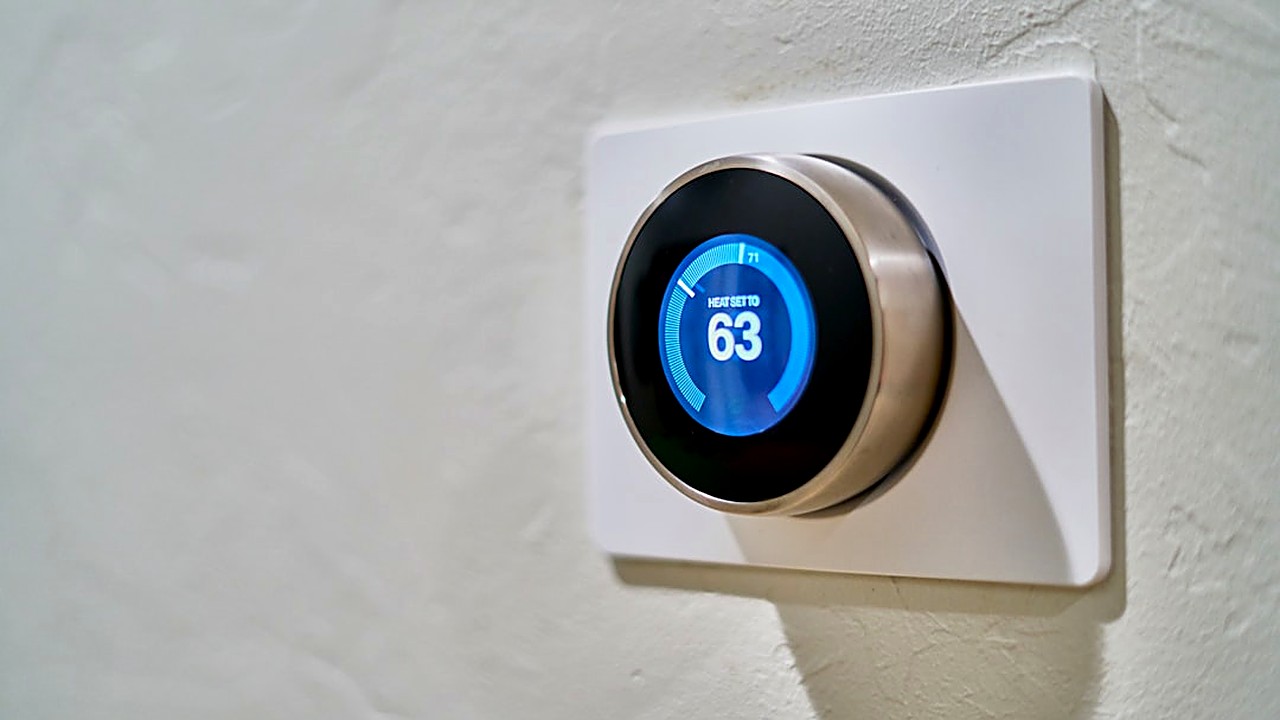 Why Your Bedroom Temperature Affects Insomnia and How to Adjust It →
 How Anxiety Causes Insomnia and Natural Help →
What you eat with caffeine can change how your body processes it. Protein‑rich foods, such as eggs or nuts, can slow the absorption of caffeine, reducing the spike in alertness. Adding a slice of whole‑grain toast to your morning coffee may make the caffeine feel smoother.
Staying well‑hydrated also helps. Water assists the kidneys in flushing caffeine from the blood. Aim for at least eight glasses of water a day, and sip a glass after each coffee. Dehydration can make caffeine feel stronger and may lead to nighttime awakenings.
Magnesium is a mineral that supports relaxation and can counteract caffeine‑induced jitteriness. Foods like pumpkin seeds, spinach, and black beans provide 30‑50 mg of magnesium per serving. Including these in your meals may help your nervous system settle down as bedtime approaches.
Natural Ways to Counteract Caffeine
If you have already consumed caffeine close to bedtime, some natural strategies may ease its impact. A warm cup of herbal tea, such as chamomile or valerian root, can promote calmness without adding more stimulants. These herbs have been used for centuries to support sleep.
Light exercise earlier in the day, like a brisk walk or gentle yoga, can improve overall sleep quality. However, vigorous activity within two hours of bedtime may raise heart rate and make it harder to fall asleep, especially if caffeine is still present.
Breathing techniques are another tool. A simple 4‑7‑8 breath (inhale 4 seconds, hold 7, exhale 8) can activate the parasympathetic nervous system, helping the body unwind even when caffeine lingers.
Building a Gentle Evening Routine
A consistent routine signals the brain that it is time to rest. Start by dimming lights about an hour before you plan to sleep. Lowering blue‑light exposure reduces the signal that keeps us alert. If you use screens, consider a blue‑light filter or switch to reading a printed book.
Create a calming ritual that does not involve caffeine. This could be a warm shower, gentle stretching, or listening to soft music. The key is to keep the activity low‑key and predictable.
Finally, keep your bedroom cool and quiet. A temperature around 65 °F (18 °C) supports the body’s natural drop in core temperature, a step that aids the transition to sleep. Using earplugs or a white‑noise machine can block disruptive sounds that might otherwise wake you.
By combining earlier coffee timing, mindful food choices, adequate hydration, and a soothing night routine, many people find that caffeine’s grip on their sleep loosens. Results can vary, and it may take a few weeks to notice a clear change. Patience and consistency are often the best allies.
Disclaimer: This article is for general information only and is not medical or dental advice. Talk to a healthcare or dental professional about your situation.
Frequently asked questions
How long before bedtime should I stop drinking coffee?
A common suggestion is to stop caffeine at least six hours before you plan to sleep. This gives the body time to lower caffeine levels, but the exact timing can depend on individual metabolism.
Can drinking water help remove caffeine faster?
Staying hydrated supports kidney function, which can aid in clearing caffeine from the bloodstream. Drinking a glass of water after each coffee may reduce the feeling of jitteriness.
Are herbal teas safe to use after a late coffee?
Herbal teas like chamomile or valerian do not contain caffeine and are often used to promote relaxation. They can be a gentle way to wind down, but personal tolerance varies.
Does exercise affect caffeine’s impact on sleep?
Light exercise earlier in the day can improve overall sleep quality. Intense workouts close to bedtime may raise heart rate and make it harder to fall asleep, especially if caffeine is still present.
What foods can help balance caffeine’s effects?
Protein foods, whole‑grain toast, and magnesium‑rich items like pumpkin seeds or spinach can slow caffeine absorption and support relaxation, potentially easing its impact on sleep.
*This article is for general information only and is not medical or dental advice. Talk to a healthcare or dental professional about your situation.*
Simple health wins in your inbox. No hype.
Educational content, not medical advice. Talk to your doctor before making health decisions.