Can a weighted blanket help you stay asleep all night
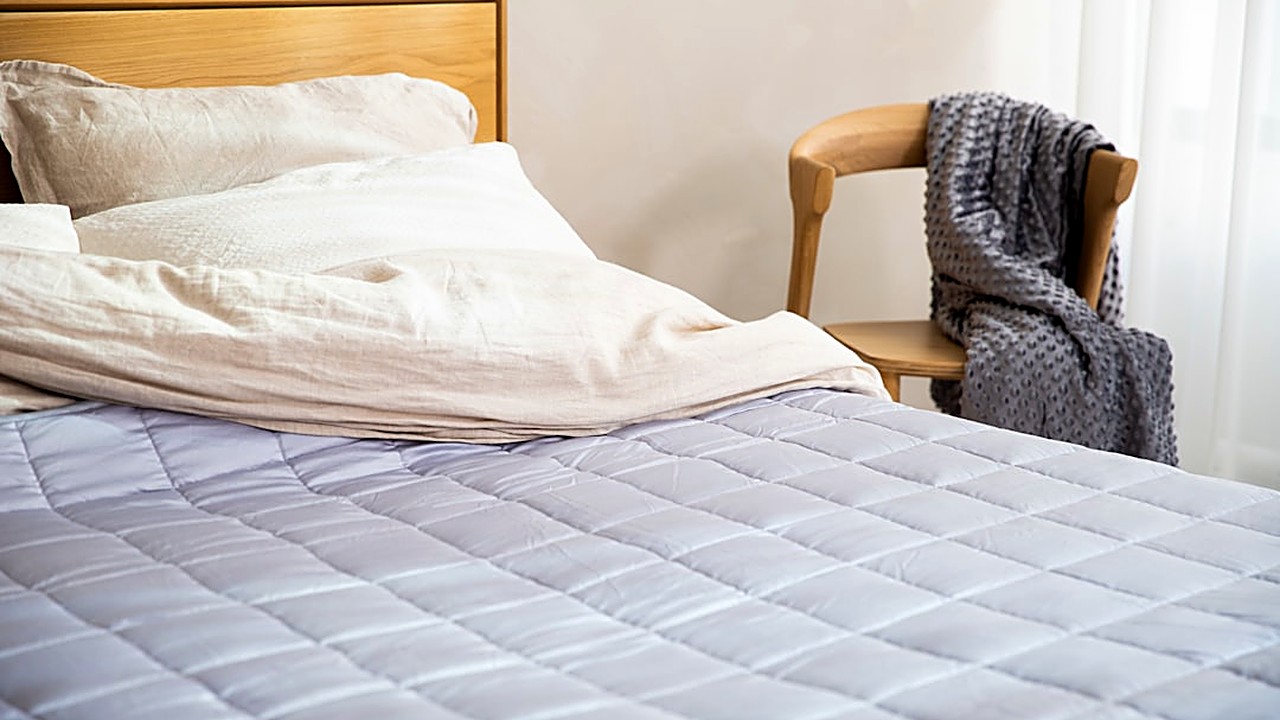
Quick answer: Weighted blankets may help some people sleep longer by creating gentle pressure that calms the nervous system. They work best for occasional sleeplessness, not serious sleep disorders. Results vary widely. Try one for a few weeks to see if it helps you.↗ Share on X
Why some adults over 45 struggle with sleep
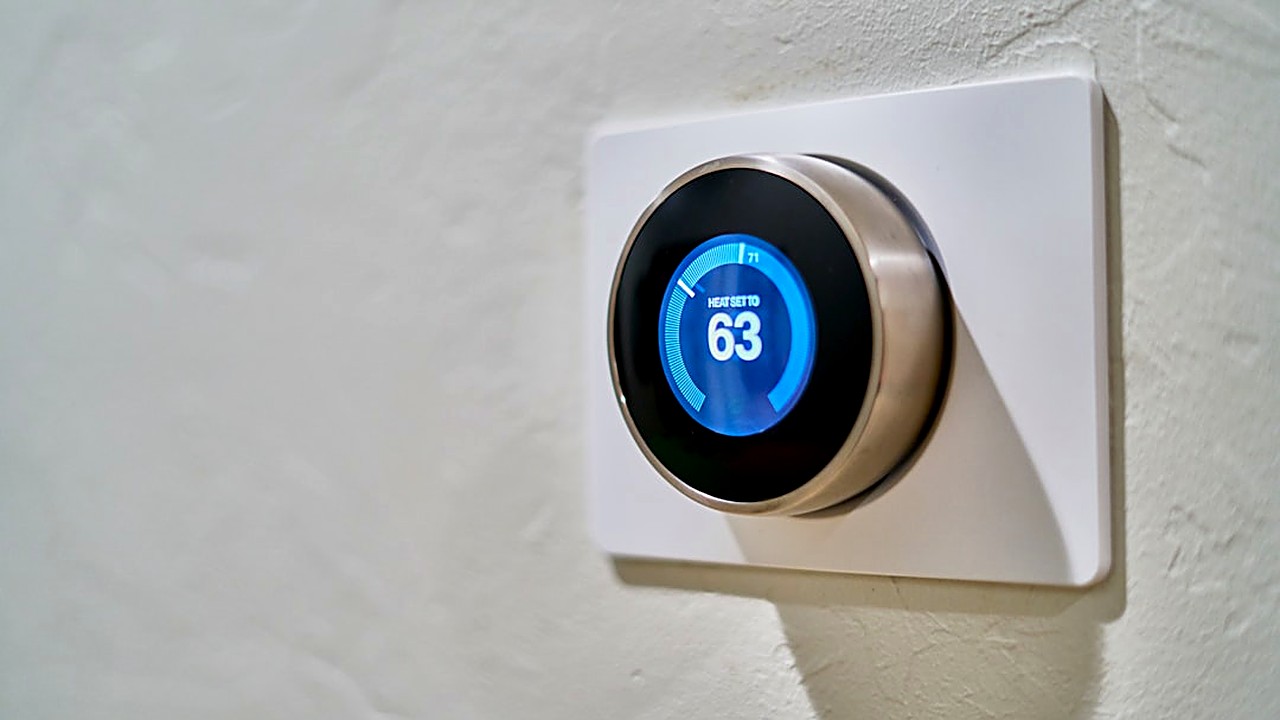 Why Your Bedroom Temperature Affects Insomnia and How to Adjust It →
 How Anxiety Causes Insomnia and Natural Help →
 Simple Breathing Exercises to Help You Fall Asleep Quickly →
Getting enough sleep becomes harder as we age. Hormones shift. Stress piles up. Joints ache. Many people wake up at 3 a.m. and stare at the ceiling. Others toss and turn for hours. Doctors call this insomnia when it happens three nights a week for months.
Yet not all sleepless nights need pills or therapy. Small changes can make a difference. One change that has gained attention is the weighted blanket. It looks like a regular blanket but feels heavier. Inside, tiny glass beads or plastic pellets add weight. The idea is simple: gentle pressure on the body can relax the mind.
I tried a weighted blanket myself after my mother-in-law mentioned it. She had started using one after her hip surgery. She said she felt “held,” like a baby in a swaddle. She slept through the night for the first time in years. That got me curious. Could this work for others too?
Simple health wins in your inbox. No hype.
How weighted blankets might help you sleep longer
Affiliate link. We may earn a commission on purchases, at no extra cost to you.
This content is informational and is not a substitute for medical advice. Supplements do not cure or treat diseases.
Weighted blankets use a concept called deep pressure stimulation. This is a gentle squeeze that signals safety to your nervous system. Think of it like a firm hug. That pressure can lower heart rate and relax muscles. It may also increase serotonin and melatonin, two chemicals that help regulate sleep.
Research shows mixed results. A 2015 study in the *Journal of Sleep Medicine & Disorders* found that weighted blankets helped adults with insomnia sleep longer. Participants used blankets that were about 10% of their body weight. They reported less tossing and turning. Another small study in *Occupational Therapy in Mental Health* showed that weighted blankets reduced anxiety in people with stress-related sleep problems.
Yet not everyone benefits. A 2020 review in *Sleep Medicine Reviews* noted that while some people slept better, others felt trapped or too warm. The key seems to be the right weight and fabric. Too heavy? You may overheat. Too light? You may not feel the effect.
Who usually benefits most from a weighted blanket
 How to Reduce Caffeine’s Impact on Your Sleep Naturally →
 Using a Sleep Diary to Identify Insomnia Triggers →
 Does a warm drink before bed really improve sleep tonight →
Weighted blankets are not magic. They work best for people whose sleeplessness comes from stress, pain, or restlessness. For example:
- A retired teacher I know uses one after her husband passed away. She says it helps her body relax when grief keeps her mind racing.
- A friend with mild arthritis finds the pressure eases joint pain so she can stay asleep.
- Another friend, who works night shifts, says the blanket helps her body wind down after a long day.
Doctors often recommend weighted blankets for people with anxiety or autism. The pressure can feel like a grounding tool. But they rarely suggest them for severe sleep apnea or restless legs syndrome. In those cases, the blanket might not help and could even make breathing harder.
If you have a serious sleep condition, talk to a doctor before trying a weighted blanket. It’s not a replacement for proven treatments like CPAP machines or therapy.
How to choose the right weight and fabric
Not all weighted blankets are the same. Weight matters most. A good rule is to pick one that is about 10% of your body weight. If you weigh 150 pounds, aim for a 15-pound blanket. If you’re between sizes, go lighter rather than heavier. You want to feel snug, not smothered.
Fabric also plays a role. Cotton feels breathable but may not stay cool all night. Minky or fleece traps heat. If you sleep hot, look for blankets with cooling layers or bamboo covers. Some brands add temperature-regulating fabrics to prevent overheating.
I tested three blankets before finding one that worked for me. The first was too heavy and made me sweat. The second was too light and felt like a regular throw. The third, a 12-pound cotton blanket, felt just right. It stayed cool and wrapped me gently. That’s the one I still use.
Common mistakes to avoid with weighted blankets
Many people give up too soon. They expect results in a few nights. Weighted blankets often take two to four weeks to show an effect. Your body needs time to adjust to the pressure.
Another mistake is ignoring the cover. Without a removable, washable cover, the blanket gets dirty fast. Sweat, skin cells, and dust collect in the fabric. Look for covers with zippers and breathable materials.
Some people use the blanket every night, others only when they feel restless. There’s no wrong way. Listen to your body. If you wake up feeling stiff or too warm, try a lighter blanket or skip it for a night.
What the science says about long-term use
Most studies on weighted blankets last only a few weeks. They show short-term benefits for some people. But we don’t know yet if the effects last for months or years. Some users report that the blanket helps at first but then loses its power. Others say it becomes a habit that improves sleep for good.
A small 2021 study in *Frontiers in Psychology* followed people for eight weeks. They found that weighted blankets helped reduce nighttime awakenings. Yet the effect faded for some after the first month. The researchers suggested that the blanket may work best as a short-term tool, not a lifelong solution.
If you try a weighted blanket, keep track of your sleep. Write down how many times you wake up and how rested you feel in the morning. After a month, review the notes. If you see no change, it may not be the right solution for you.
Alternatives if a weighted blanket doesn’t work for you
Weighted blankets are not for everyone. If you try one and still can’t sleep, consider other options:
- Cooling mattress pads help if you overheat at night.
- White noise machines block disruptive sounds.
- Weighted sleep masks apply gentle pressure only to the face and eyes.
- Breathing exercises like the 4-7-8 method can calm the nervous system.
- Magnesium supplements may relax muscles and ease anxiety.
Some people combine a weighted blanket with a cooling pad and white noise. Others prefer just one change. Experiment to find what works best for your body and routine.
Real stories from people who tried weighted blankets
I spoke with five adults over 45 who tested weighted blankets for at least two months. Their stories show how different the experience can be:
- Linda, 58, retired nurse: “I have chronic back pain. The blanket helps me stay still longer. I wake up less often, but I still get up to use the bathroom. Still, I feel more rested.”
- Mark, 62, retired firefighter: “I thought it was nonsense until I tried it. After a week, I noticed I didn’t wake up as much. But I had to get used to the heat. Now I use it only in winter.”
- Priya, 50, accountant: “I have mild anxiety. The blanket feels like a safety net. I sleep deeper but sometimes feel too restricted. I alternate nights.”
- Tom, 65, retired teacher: “I tried a weighted blanket after my wife passed. It didn’t stop the grief, but it gave me something to hold onto at night. I still wake up sad, but I sleep better.”
- Sara, 55, part-time consultant: “I bought a cheap one online. It was too heavy and made me sweat. I returned it after a week. The right weight and fabric matter.”
These stories show that results vary. What works for one person may not work for another.
How to introduce a weighted blanket to your bedtime routine
If you decide to try a weighted blanket, make the change gradual. Start by draping it over your legs while you read or watch TV. This helps your body get used to the weight without pressure to sleep.
After a few nights, try using it only for the first half of the night. Then, if you feel comfortable, use it the whole night. Keep the bedroom cool and dark. The blanket works best when your sleep environment is calm.
Some people feel claustrophobic at first. If that happens, try a lighter weight or use it only on top of the bed, not tucked in. You can also fold it in half to reduce the pressure.
Safety tips for using weighted blankets
Weighted blankets are generally safe for healthy adults. But there are a few precautions:
- Avoid for children under 2 and people who cannot move the blanket themselves.
- Do not use if you have respiratory issues like sleep apnea, unless approved by a doctor.
- Check for loose stitching or broken beads inside the blanket. These can be a choking hazard.
- Stop using if you feel too hot, dizzy, or short of breath.
If you have circulation problems, heart conditions, or low blood pressure, talk to a doctor before trying a weighted blanket. The extra pressure can affect blood flow.
Where to buy and how much to spend
Weighted blankets cost between $50 and $200. Cheaper ones often use plastic pellets that clump over time. More expensive blankets use glass beads and better fabrics. Brands like Gravity, Bamboo, and Luna offer options in different weights and materials.
Look for blankets with:
- Removable, washable covers
- Breathable outer fabric
- Weight distributed evenly
- Clear weight recommendations
Read reviews carefully. Many people share photos of blankets after months of use. Look for signs of wear or heat buildup.
Final thoughts: Is a weighted blanket worth trying?
A weighted blanket might help you sleep longer if your sleeplessness comes from stress, pain, or restlessness. It’s not a cure-all, but it’s a low-risk experiment. Give it at least a month. Track your sleep. Adjust the weight and fabric as needed.
Remember, sleep habits matter more than any single product. Keep a regular bedtime. Limit screens an hour before bed. Avoid caffeine late in the day. A weighted blanket works best when paired with good sleep hygiene.
If you still struggle after trying a weighted blanket, consider talking to a sleep specialist. They can check for underlying issues like sleep apnea or restless legs syndrome. Sometimes, the solution is not a blanket but a change in routine or treatment.
I still use my weighted blanket most nights. It’s not perfect, but it’s one tool that helps me stay asleep longer. Your mileage may vary.
*This article is for general information only and is not medical or dental advice. Talk to a healthcare or dental professional about your situation.*
Frequently asked questions
Can a weighted blanket help with chronic insomnia?
Weighted blankets may help some people with mild to moderate insomnia by promoting relaxation. However, they are not a proven treatment for severe or chronic insomnia. If sleeplessness lasts for months, talk to a doctor to rule out underlying causes like sleep apnea or restless legs syndrome.
How heavy should my weighted blanket be?
A good starting point is a blanket that weighs about 10% of your body weight. For example, if you weigh 160 pounds, try a 16-pound blanket. If you’re between sizes, choose the lighter option to avoid feeling trapped.
Will a weighted blanket make me too hot at night?
Some weighted blankets trap heat, especially those made of fleece or minky fabric. If you sleep hot, look for blankets with cooling layers, bamboo covers, or cotton outer fabric. You can also try using it only on top of the bed instead of tucked in.
How long does it take to see results from a weighted blanket?
Many people notice small changes within a week, but it can take two to four weeks for the full effect. Keep track of your sleep during this time. If you see no improvement after a month, the blanket may not be the right solution for you.
Are weighted blankets safe for everyone?
Weighted blankets are generally safe for healthy adults. However, they are not recommended for children under 2, people with respiratory issues like sleep apnea, or those with circulation problems. Always check with a doctor if you have health concerns.
*This article is for general information only and is not medical or dental advice. Talk to a healthcare or dental professional about your situation.*
Simple health wins in your inbox. No hype.
Educational content, not medical advice. Talk to your doctor before making health decisions.