How to Plan a Week of Low‑Glycemic Meals for Stable Blood Sugar
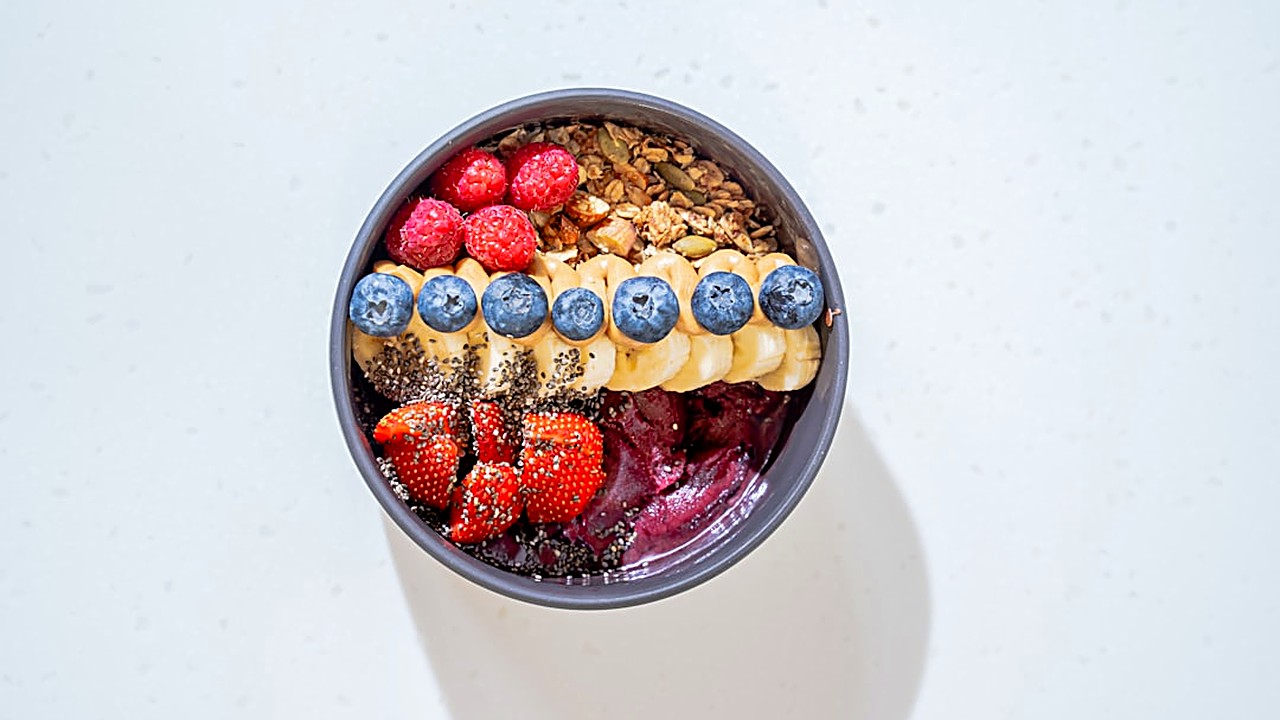
Quick answer: Plan a low‑glycemic week by picking foods with a GI below 55, balancing protein, fiber, and healthy fats, making a shopping list, prepping ingredients ahead, and using simple recipes that keep blood sugar steady. You can adjust portions to fit your calorie needs and enjoy variety without feeling hungry.↗ Share on X
Introduction
 Nighttime Racing Mind: Why It Happens and How to Slow It Down →
 Portion Control Tips to Keep Blood Sugar Stable After Meals →
 Myths and Facts About Ringing in Ears Causes: What You Need to Know →
Keeping blood sugar steady is a daily goal for many adults. A low‑glycemic diet can help avoid spikes and crashes, but the idea of planning every meal can feel overwhelming. This guide breaks the process into small, doable steps. You will learn how to choose the right foods, build balanced plates, shop efficiently, and prep meals so the week runs smoothly. The advice is based on common nutrition guidelines and on my own experience of cooking low‑glycemic meals for my family for several years.
Simple health wins in your inbox. No hype.
Choose Low‑Glycemic Foods
Affiliate link. We may earn a commission on purchases, at no extra cost to you.
This content is informational and is not a substitute for medical advice. Supplements do not cure or treat diseases.
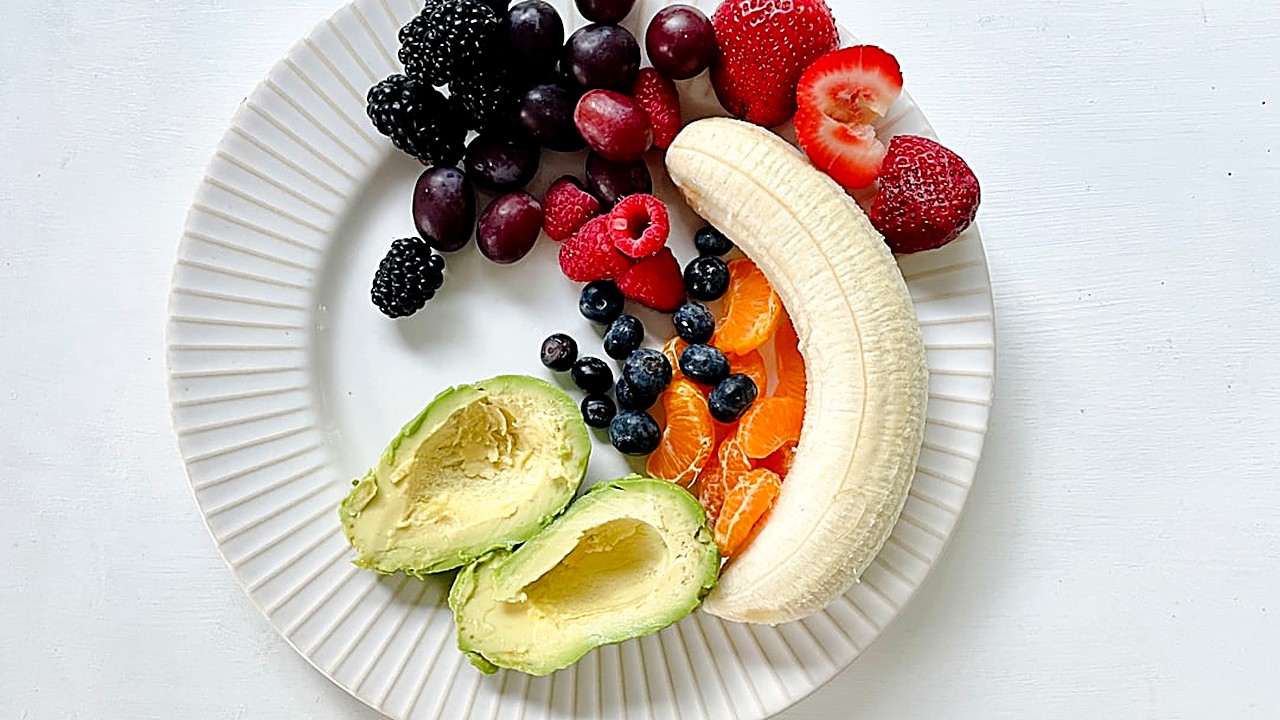
The first step is to know which foods have a low glycemic index (GI). A GI below 55 is generally considered low. Examples include most non‑starchy vegetables, berries, nuts, legumes, whole grains such as barley or quinoa, and dairy products like Greek yogurt. When you read food labels, look for the amount of fiber and added sugars; higher fiber and lower sugar usually mean a lower GI.
A quick tip: swap white rice for quinoa, and replace sugary breakfast cereals with steel‑cut oats topped with fresh berries. Both swaps add fiber and keep the GI low. If you enjoy fruit, choose apples, pears, or cherries instead of tropical fruits that are higher on the GI scale.
Build a Balanced Plate
 How to Stop Gums Bleeding at Night: Simple Safe Tips for Better Sleep →
 Why Is the Ringing in My Ears Louder Every Morning: Clear Reasons and Gentle Comfort →
 Why Does Your Blood Sugar Rise After Eating Certain Healthy Vegetables: Practical Tips →
A balanced plate contains three parts: protein, fiber‑rich carbs, and healthy fats. Protein slows digestion, which helps blunt glucose spikes. Good sources are chicken breast, tofu, fish, eggs, and beans. Fiber‑rich carbs provide steady energy; think of sweet potatoes, lentils, and whole‑grain pasta. Healthy fats—olive oil, avocado, nuts—add flavor and further slow sugar absorption.
Aim for a visual ratio of half the plate with non‑starchy vegetables, a quarter with protein, and a quarter with low‑glycemic carbs. This simple visual guide works whether you are at home or eating out. In my kitchen, I often fill a large bowl with mixed greens, add a scoop of grilled salmon, and top it with a handful of quinoa and a drizzle of olive oil. The meal feels satisfying and keeps my blood sugar level gentle.
Create a Weekly Shopping List
A clear list prevents impulse buys and saves time. Start by writing down the proteins you plan to use for the week—two chicken breasts, a can of chickpeas, a block of firm tofu, and a portion of salmon. Next, list low‑glycemic carbs: quinoa, steel‑cut oats, sweet potatoes, and barley. Finally, add vegetables and fruits: broccoli, bell peppers, spinach, berries, and apples.
Check your pantry for staples like olive oil, spices, and nuts; add only what you need. Group items by store sections—produce, protein, grains—so you move through the aisles efficiently. When I shop with my partner, we keep the list on a phone note and tick items off as we go. This habit reduces the chance of buying high‑glycemic snacks.
Prepare Meals in Advance
Batch cooking is a time‑saving habit. Choose two or three recipes that share ingredients, then cook them together. For example, roast a tray of sweet potatoes, broccoli, and bell peppers while boiling quinoa and cooking lentils. Portion the cooked foods into containers, label them, and store in the fridge for up to four days.
If you prefer fresh meals, pre‑chop vegetables and store them in airtight containers. This makes stir‑fry or salad assembly quick. I often spend Sunday afternoon washing, cutting, and portioning vegetables. The effort feels small compared with the minutes saved each weekday.
Sample Week Menu
Below is a simple menu that follows the balanced‑plate rule. Feel free to swap ingredients based on taste or availability.
Monday
- Breakfast: Steel‑cut oats with cinnamon, a handful of blueberries, and a spoon of Greek yogurt.
- Lunch: Mixed green salad with grilled chicken, quinoa, avocado, and lemon‑olive‑oil dressing.
- Dinner: Baked salmon, roasted sweet potatoes, and steamed broccoli.
Tuesday
- Breakfast: Greek yogurt topped with sliced apple and a sprinkle of walnuts.
- Lunch: Lentil soup with a side of whole‑grain toast.
- Dinner: Stir‑fried tofu, bell peppers, and brown rice.
Wednesday
- Breakfast: Smoothie with spinach, frozen berries, protein powder, and unsweetened almond milk.
- Lunch: Quinoa bowl with black beans, corn, diced tomatoes, and a dollop of salsa.
- Dinner: Grilled chicken, barley pilaf, and roasted carrots.
Thursday
- Breakfast: Two boiled eggs with a slice of whole‑grain toast and a few cherry tomatoes.
- Lunch: Tuna salad (tuna, Greek yogurt, celery) over mixed greens.
- Dinner: Baked cod, sweet‑potato mash, and sautéed green beans.
Friday
- Breakfast: Cottage cheese with sliced pear and a pinch of cinnamon.
- Lunch: Chickpea and vegetable curry served with quinoa.
- Dinner: Turkey meatballs, zucchini noodles, and marinara sauce.
Saturday
- Breakfast: Oatmeal topped with sliced almonds and fresh strawberries.
- Lunch: Veggie wrap with hummus, cucumber, and bell pepper in a whole‑grain tortilla.
- Dinner: Grilled shrimp, brown rice, and a side salad.
Sunday
- Breakfast: Scrambled eggs with spinach and feta cheese.
- Lunch: Leftover vegetable soup with a side of whole‑grain crackers.
- Dinner: Roast chicken, roasted Brussels sprouts, and a small baked potato.
Tips for Staying on Track
- Portion control: Use your hand as a guide—palm for protein, fist for carbs, and thumb for fats.
- Hydration: Drink water throughout the day; sometimes thirst is mistaken for hunger.
- Mindful eating: Sit down, chew slowly, and notice how full you feel before finishing the plate.
- Flexibility: If a meal does not go as planned, replace it with another low‑glycemic option rather than skipping it.
- Monitor response: Some people notice how different foods affect their energy. Keep a simple log of meals and how you feel, which can guide future choices.
By following these steps, you can create a weekly plan that supports stable blood sugar while still enjoying tasty meals. Remember that each body reacts differently, so listen to your own signals and adjust as needed.
Disclaimer: This article is for general information only and is not medical advice. Talk to a healthcare professional before making changes to your diet, supplements, or medication.
Frequently asked questions
What is a low‑glycemic food?
A low‑glycemic food has a glycemic index below 55, meaning it raises blood sugar slowly compared with high‑glycemic foods.
Can I eat fruit on a low‑glycemic plan?
Yes, choose fruits that are lower on the GI scale, such as berries, apples, and pears, and watch portion size.
How many meals should I prepare ahead of time?
Preparing two to three meals in advance is often enough to reduce daily cooking time while keeping meals fresh.
Do I need special equipment to follow this plan?
Basic kitchen tools—pots, pans, a cutting board, and storage containers—are sufficient for most low‑glycemic recipes.
Is this plan suitable for people with diabetes?
The plan follows general low‑glycemic principles, but anyone with diabetes should discuss any diet changes with their healthcare provider.
*This article is for general information only and is not medical advice. Talk to a healthcare professional before making changes to your diet, supplements, or medication.*
Simple health wins in your inbox. No hype.
Educational content, not medical advice. Talk to your doctor before making health decisions.