Natural sweeteners that keep blood sugar steadier
Quick answer: Stevia and monk fruit sweeteners cause almost no blood sugar rise. Allulose and erythritol raise levels very little. Small amounts of raw honey or pure maple syrup affect blood sugar less than white sugar, but still more than the zero-calorie options.↗ Share on X
Why blood sugar matters when you choose sweeteners
 Easy Breathing Exercises to Lower High Blood Sugar Naturally →
 Best Low‑Glycemic Fruits to Keep Morning Blood Sugar Stable →
 Probiotics and Blood Sugar: Can Good Bacteria Help Naturally? →
Your body turns most sugars into glucose. Glucose is fuel for cells, but too much at once can push blood sugar too high. Over time, high swings may increase the risk of type 2 diabetes and heart problems. That is why people over 45 often look for sweeteners that keep glucose steadier.
Natural sweeteners come from plants or other food sources. They are less processed than white sugar. Still, not all natural sweeteners behave the same in your blood. Some spike glucose fast. Others barely move it. The difference depends on how your body digests them.
I once tested my morning coffee with three different sweeteners. White sugar gave me a clear energy crash after one hour. Raw honey felt smoother but still left me hungry sooner. Monk fruit powder left my energy steady for hours. That small experiment showed me how much the choice matters.
Simple health wins in your inbox. No hype.
Zero-calorie sweeteners that barely affect glucose
Affiliate link. We may earn a commission on purchases, at no extra cost to you.
This content is informational and is not a substitute for medical advice. Supplements do not cure or treat diseases.
Stevia (Stevia rebaudiana)
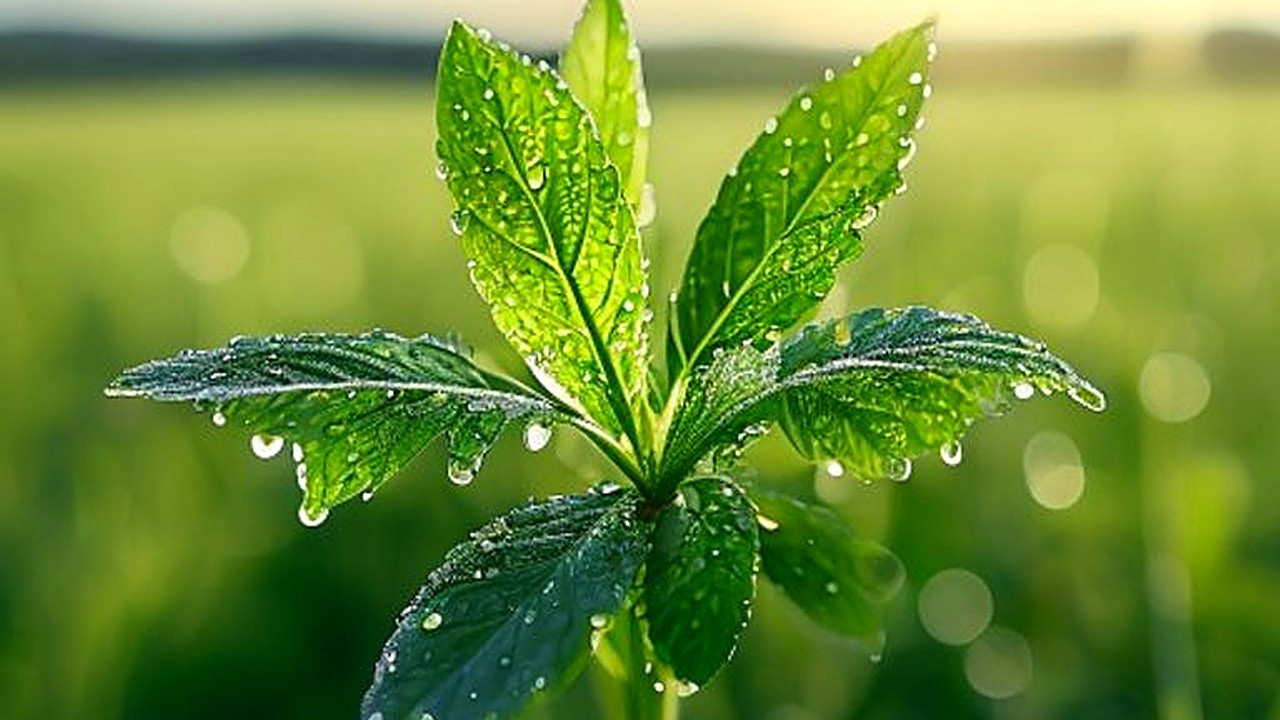
Stevia comes from the leaves of a South American plant. The sweet part is called steviol glycosides. Your body does not break these down for energy. Studies show stevia does not raise blood glucose or insulin levels. It has zero calories and zero glycemic index (GI).
Use it in drops, powder, or liquid form. One drop equals about one teaspoon of sugar in sweetness. Start with half a drop to avoid a bitter aftertaste. Many people mix it with a tiny bit of raw honey to balance flavor.
Monk fruit (Siraitia grosvenorii)
Monk fruit sweetener is made from a small green fruit grown in Asia. The active compounds are called mogrosides. Like stevia, your body does not digest mogrosides for glucose. Research finds monk fruit does not change blood sugar or insulin. It has zero calories and zero GI.
Monk fruit tastes very sweet—about 150 times sweeter than sugar. It blends well in teas, yogurt, and baked goods. Some brands mix it with erythritol to make it easier to measure like sugar.
Sweeteners that raise blood sugar very little
 Choosing Low-Carb Snacks That Quickly Lower Blood Sugar →
 How to Lower Blood Sugar After a Sweet Dessert Naturally →
 Use Cinnamon Safely to Help Lower Blood Sugar →
Allulose
Allulose is a rare sugar found in figs and raisins. It tastes almost like sugar but has only 10% of the calories. Your body absorbs it but does not use it for energy. It passes through mostly unchanged. Studies show allulose raises blood sugar very little and may even lower glucose spikes after a meal.
Allulose works well in baking because it caramelizes like sugar. One teaspoon measures the same as sugar. Some people report mild digestive discomfort with larger amounts, so start small.
Erythritol
Erythritol is a sugar alcohol found naturally in fruits and fermented foods. It has about 6% of sugar’s calories and a glycemic index of zero. Most of it is absorbed but not metabolized, so it does not raise blood sugar. A small amount may cause gas or bloating in sensitive people.
Erythritol tastes clean and measures cup-for-cup like sugar. It is often mixed with stevia or monk fruit to improve texture in recipes. Brands like Swerve and Truvia use erythritol as the main ingredient.
Sweeteners with mild effects on blood sugar
Raw honey
Raw honey is less processed than white sugar. It contains small amounts of vitamins, minerals, and antioxidants. Its glycemic index is around 58, lower than white sugar’s 65. Still, honey does raise blood sugar. A teaspoon has about 21 calories and 6 grams of carbs.
Use raw honey in moderation. One teaspoon in tea or oatmeal is fine for most adults. Avoid giving honey to infants under one year old.
Pure maple syrup
Pure maple syrup comes from boiled maple tree sap. It has more nutrients than white sugar, like manganese and zinc. Its glycemic index is about 54. A tablespoon has 52 calories and 13 grams of carbs.
Maple syrup works well in dressings, marinades, and baked goods. Use it sparingly if you watch your blood sugar.
Coconut sugar
Coconut sugar is made from coconut palm sap. It contains small amounts of inulin, a fiber that may slow glucose absorption. Its glycemic index is about 35, lower than white sugar. Still, it has the same calories and carbs as regular sugar per teaspoon.
Coconut sugar tastes like brown sugar. Use it in recipes where you want a caramel-like flavor. Measure it the same as white sugar.
Sweeteners to use with caution
Agave syrup
Agave syrup comes from the agave plant. It is high in fructose, a sugar that does not raise blood sugar as fast as glucose. However, high fructose intake may harm liver health over time. Its glycemic index is about 15, very low. But its calories and carbs are similar to sugar.
Use agave only occasionally. A teaspoon has 20 calories and 5 grams of carbs.
Dates and date syrup
Dates are whole fruits with fiber, vitamins, and minerals. Their glycemic index is around 42. Date syrup is concentrated, so it raises blood sugar more. A tablespoon of date syrup has 60 calories and 16 grams of carbs.
Dates work well in energy balls or smoothies. Use small amounts if you monitor glucose.
How to choose the best sweetener for you
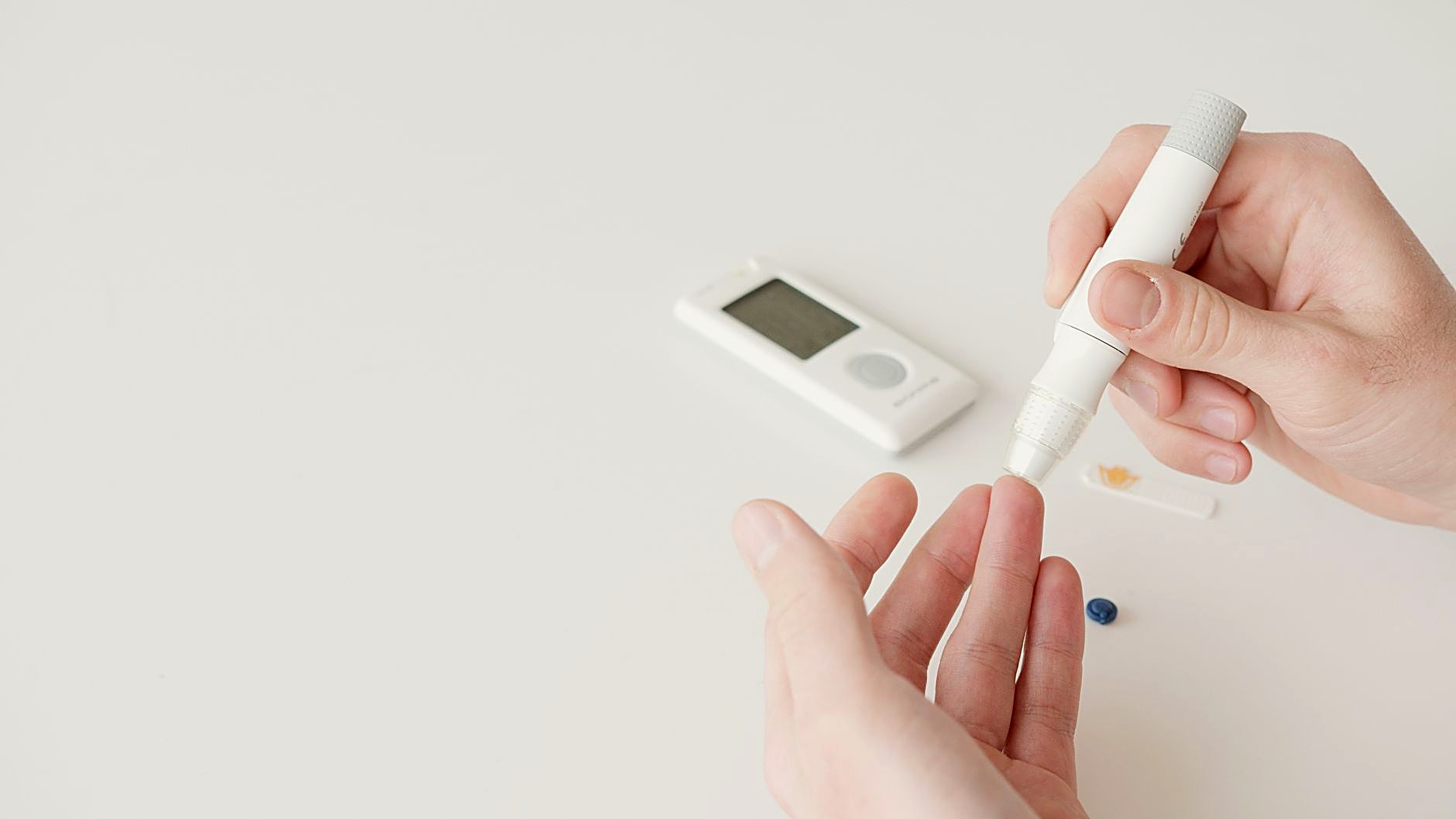
1. Check your blood sugar response. Use a glucose meter 30 and 60 minutes after eating a sweetener. Write down the numbers to see which ones work best for you.
2. Watch for digestive issues. Sugar alcohols like erythritol and allulose can cause gas or bloating in some people. Start with small amounts.
3. Consider taste and texture. Stevia and monk fruit can have aftertastes. Allulose and erythritol measure like sugar, so they work in baking.
4. Balance with fiber and protein. Adding nuts, seeds, or Greek yogurt to sweet foods can slow glucose spikes.
5. Keep portions small. Even low-GI sweeteners add calories and carbs. A teaspoon of honey or maple syrup is enough for most adults.
Practical tips for everyday use
- Morning coffee or tea: Try stevia or monk fruit drops. They dissolve fast and leave no aftertaste in hot drinks.
- Baking: Use allulose or erythritol for recipes that need browning. Monk fruit blends well in muffins and cookies.
- Yogurt or oatmeal: Sprinkle a little raw honey or pure maple syrup. Add chia seeds for extra fiber.
- Smoothies: Blend in a few pitted dates for natural sweetness and minerals.
- Salad dressings: Use a teaspoon of pure maple syrup or raw honey for balance.
I keep stevia drops in my purse and allulose in the kitchen. That way, I always have a low-impact option ready.
Common myths about natural sweeteners
Myth 1: "All natural sweeteners are safe for diabetics."
Reality: Natural does not always mean safe. Honey, maple syrup, and agave still raise blood sugar. Always test your response.
Myth 2: "Zero-calorie sweeteners cause weight gain."
Reality: Some studies suggest artificial sweeteners may increase cravings in certain people. Zero-calorie natural sweeteners like stevia and monk fruit do not have this effect in most adults.
Myth 3: "Coconut sugar is a healthy sugar."
Reality: Coconut sugar has a lower glycemic index than white sugar, but it is still sugar. Use it in small amounts.
What the science says
- A 2020 review in *Nutrients* found stevia and monk fruit do not affect blood glucose or insulin in healthy adults or people with diabetes.
- A 2018 study in *Food and Function* showed allulose reduced post-meal glucose spikes by up to 30% in people with prediabetes.
- Research in *The American Journal of Clinical Nutrition* found erythritol did not raise blood sugar or insulin levels in adults with type 2 diabetes.
- A 2019 meta-analysis in *BMJ* noted that honey improved blood sugar control more than white sugar but still raised glucose compared to stevia.
Final advice: Listen to your body
Natural sweeteners are not magic. They can help you cut back on white sugar, but they are not free passes. Your body’s response depends on your diet, activity, and health. The best sweetener is the one that keeps your blood sugar steady and tastes good to you.
Start with small amounts. Track how you feel. Adjust as needed. If you have diabetes or take glucose-lowering medication, talk to your doctor before making big changes.
This article is for general information only and is not medical advice. Talk to a healthcare professional before making changes to your diet, supplements, or medication.
Frequently asked questions
Can stevia or monk fruit sweeteners raise blood sugar at all?
Studies show stevia and monk fruit do not raise blood glucose or insulin levels in most adults. Their glycemic index is zero. However, some people report mild digestive discomfort with large amounts.
Is allulose safe for people with diabetes?
Allulose has a very low glycemic index and does not raise blood sugar. Some research suggests it may even lower glucose spikes after meals. Still, talk to your doctor before trying it if you have diabetes or take glucose-lowering medication.
How much honey or maple syrup can I use if I watch my blood sugar?
Use small amounts: one teaspoon of raw honey or pure maple syrup per serving. Both have a lower glycemic index than white sugar but still contain carbs that affect blood sugar. Measure carefully and test your response.
Do sugar alcohols like erythritol cause digestive problems?
Some people feel bloated or gassy after eating erythritol or allulose. Start with small doses—half a teaspoon—and increase slowly. If you have irritable bowel syndrome, be extra cautious.
Can I bake with stevia or monk fruit instead of sugar?
Stevia and monk fruit are much sweeter than sugar, so you need less. They do not caramelize like sugar, so recipes may turn out drier. Use allulose or erythritol for baking if you want texture close to sugar. Try recipes made for these sweeteners.
*This article is for general information only and is not medical advice. Talk to a healthcare professional before making changes to your diet, supplements, or medication.*
Simple health wins in your inbox. No hype.
Educational content, not medical advice. Talk to your doctor before making health decisions.