How to Set a Consistent Sleep Schedule When Your Job Has Shifting Hours

Quick answer: To keep a steady sleep schedule with an irregular job, set a core sleep window, use light cues to signal bedtime and wake time, keep a short wind‑down routine, limit caffeine and naps, and track your sleep daily. Adjust the window as needed.↗ Share on X
Why a Regular Sleep Rhythm Helps Even When Work Shifts
 Allergies and Tinnitus: Simple Ways to Find Ear Relief →
 Easy Ways to Strengthen Weak Gums and Stop Recession Naturally →
 How to Gently Brush Gums Without Pain or Bleeding →
A regular sleep rhythm supports the body’s internal clock, called the circadian rhythm. When the rhythm is stable, the body knows when to release melatonin, the hormone that makes us feel sleepy. Research shows that a stable rhythm can improve mood, memory, and heart health. For people with rotating shifts, the rhythm can be pulled in many directions, which may cause fatigue, irritability, and trouble concentrating. Understanding the why helps you stay motivated to make small changes.
Simple health wins in your inbox. No hype.
Look at Your Current Sleep Patterns First
Affiliate link. We may earn a commission on purchases, at no extra cost to you.
This content is informational and is not a substitute for medical advice. Supplements do not cure or treat diseases.
Start by writing down the times you actually fall asleep and wake up for a full week. Include days off, night shifts, and any naps you take. I have worked with night‑shift nurses who kept a simple notebook; they saw patterns appear quickly. When you see the data, notice how much sleep you get on average and where gaps exist. This step gives you a realistic baseline and shows where the biggest disruptions happen.
Build a Flexible Bedtime Routine That Works Anywhere
 How to Use Progressive Muscle Relaxation to Fall Asleep Quickly →
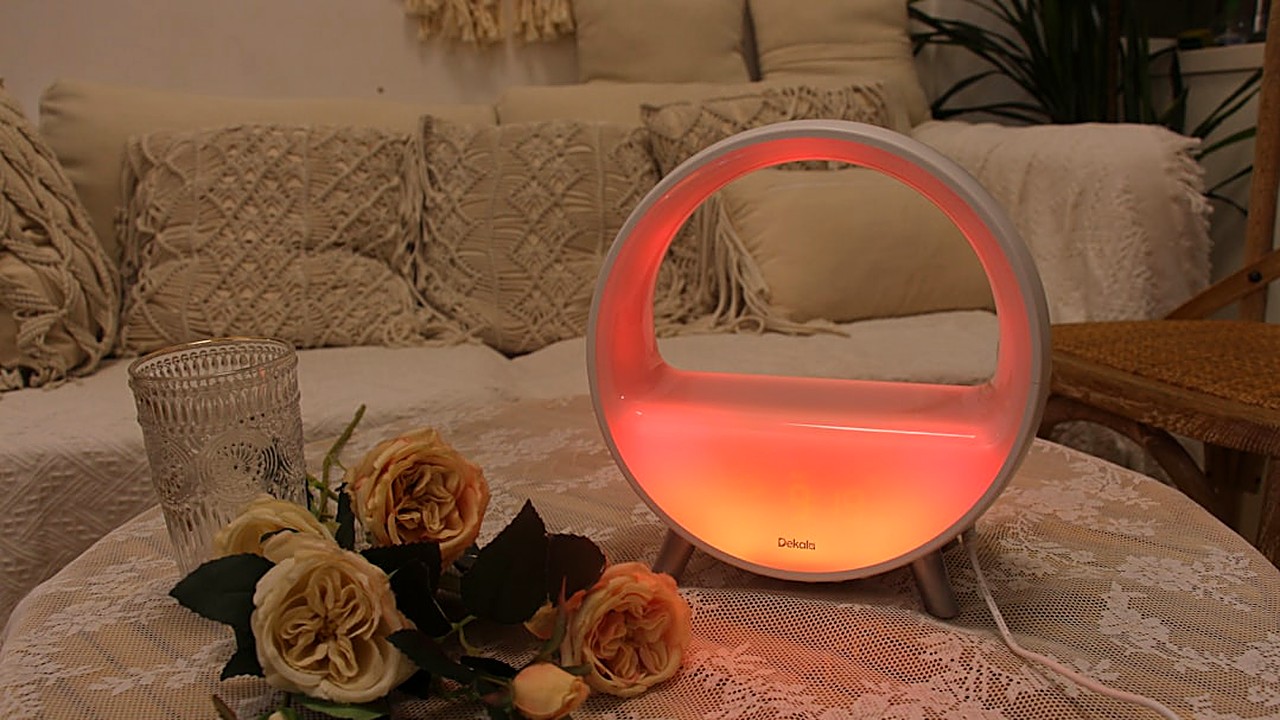 Use Light Therapy to Sleep Better Without Pills →
 Can Loud Concert Music Lead to Permanent Ear Ringing? →
A wind‑down routine signals to your brain that sleep is near. Choose three calming actions that you can do in any location – for example, dim the lights, read a short article, and practice slow breathing for two minutes. Do these steps in the same order each night, even if the clock time changes. The routine creates a mental cue that helps the body relax faster, no matter the shift.
Use Light and Dark to Guide Your Body Clock
Light is the strongest cue for the circadian system. When you need to stay awake for a night shift, expose yourself to bright light for the first few hours of work. When the shift ends, wear sunglasses on the way home and keep the room dim. For sleep after a night shift, consider a short blackout curtain or a sleep mask to block morning light. In the morning after a day shift, let natural sunlight fill the room to help you wake up.
Manage Naps and Caffeine With Care
A short nap (15‑30 minutes) can boost alertness without hurting nighttime sleep, but longer naps may delay bedtime. Keep nap length short and avoid napping within three hours of your planned sleep window. Caffeine peaks about 30 minutes after drinking it and can stay in the system for up to six hours. Try to stop caffeine at least six hours before you intend to sleep. These small limits can keep your sleep window more stable.
Keep a Simple Sleep Log to Track Progress
A log does not need to be fancy. Write the date, shift type, bedtime, wake‑time, and any naps taken. Add a note about how you felt in the morning – refreshed, groggy, or neutral. Over weeks, the log will reveal which habits help you feel better and which need adjustment. I have seen people turn a chaotic schedule into a predictable pattern simply by reviewing their own notes.
When to Ask a Professional for Help
If you notice persistent difficulty falling asleep, frequent waking, or daytime sleepiness that interferes with work or safety, it may be time to talk to a health professional. Sleep specialists can test for underlying conditions such as sleep apnea or circadian‑rhythm disorders. Remember, this guide offers general ideas; a clinician can tailor advice to your personal health.
Summary and Next Steps
1. Record your sleep for one week.
2. Choose a short, repeatable wind‑down routine.
3. Use bright light to stay alert and darkness to prepare for sleep.
4. Limit naps to 30 minutes and stop caffeine six hours before bed.
5. Log your sleep daily and adjust the core window as needed.
By following these steps, you can create a more reliable sleep rhythm even when your work hours move around. Small, consistent actions often lead to the biggest improvements over time.
This article is for general information only and is not medical or dental advice. Talk to a healthcare or dental professional about your situation.
Frequently asked questions
Can I use a nap to replace a full night of sleep?
A short nap can help with alertness, but it does not replace the restorative benefits of a full night of sleep. Long naps may interfere with your main sleep window.
Is it safe to use a sleep mask every night?
A sleep mask is generally safe and can improve darkness for better melatonin release. If you feel uncomfortable, try adjusting the fit or using blackout curtains.
What if my shift changes every few days?
Try to keep a core sleep window that overlaps between shifts, such as 7‑9 hours of sleep that can start earlier or later. Adjust gradually rather than making big jumps.
Should I avoid caffeine completely on my days off?
You do not need to avoid caffeine completely, but limiting intake in the afternoon can help keep your sleep window stable on days off.
When is it appropriate to see a sleep doctor?
If you experience ongoing trouble falling asleep, frequent waking, or feel excessively sleepy during work, consider consulting a sleep professional for a deeper evaluation.
*This article is for general information only and is not medical or dental advice. Talk to a healthcare or dental professional about your situation.*
Simple health wins in your inbox. No hype.
Educational content, not medical advice. Talk to your doctor before making health decisions.