Best foods to keep gums healthy and strong naturally
Quick answer: Foods rich in vitamin C, antioxidants, and fiber help prevent gum disease. Eat leafy greens, citrus fruits, nuts, and fatty fish. Avoid sugary snacks and drinks that feed harmful bacteria in your mouth.↗ Share on X
Why food matters for your gums
 Nighttime Racing Mind: Why It Happens and How to Slow It Down →
 How to Use Baking Soda Safely to Reduce Gum Bleeding →
 Can Low Vitamin D Cause Gum Bleeding and How to Treat It →
Your mouth is the first stop for everything you eat. What you put on your plate can either help your gums stay strong or make them weaker over time. Healthy gums do not bleed easily when you brush. They feel firm, not puffy. Bad breath is less common. These signs show your gums are in good shape.
Gum disease starts small. Tiny bacteria live in your mouth. They feed on sugar and starch from food. When they multiply, they form a sticky film called plaque. Plaque hardens into tartar if not removed. This irritates gums and causes swelling, redness, and bleeding. Over time, it can pull gums away from teeth, creating pockets where more bacteria grow. This is how gum disease begins.
Food can change this story. Some foods fight bacteria. Others reduce inflammation. A few even help repair gum tissue. Eating the right foods is like giving your gums a daily shield. I remember a patient who switched to green tea and nuts after years of bleeding gums. Within weeks, her gums looked pinker and bled less. She still brushes twice a day, but food made a clear difference.
Simple health wins in your inbox. No hype.
Vitamin C: the gum protector
Affiliate link. We may earn a commission on purchases, at no extra cost to you.
This content is informational and is not a substitute for medical advice. Supplements do not cure or treat diseases.
Vitamin C is famous for fighting colds. It is also a powerful friend to your gums. This vitamin helps your body make collagen, a protein that holds gums together. Without enough vitamin C, gums become weak and bleed easily. Studies show people with low vitamin C levels have higher chances of gum disease.
Where to find it? Citrus fruits top the list. One medium orange gives you 70 milligrams of vitamin C. That is almost the daily need for adults. Bell peppers are even stronger. Half a cup of red bell pepper has 150 milligrams. Broccoli and strawberries are good choices too. Try to eat one vitamin C food every day.
A simple habit helps: keep sliced bell peppers or oranges in your fridge. Snack on them instead of chips. Your gums will thank you with less redness and swelling. Remember, vitamin C breaks down in heat. Eat raw or lightly cooked foods to keep it strong.
Crunchy vegetables: nature’s toothbrush
 Can salt water rinse fix early gum disease naturally →
 Gums Pulling Away? Gentle Ways to Help at Home →
 Natural Ways to Calm Gum Swelling at Home Safely →
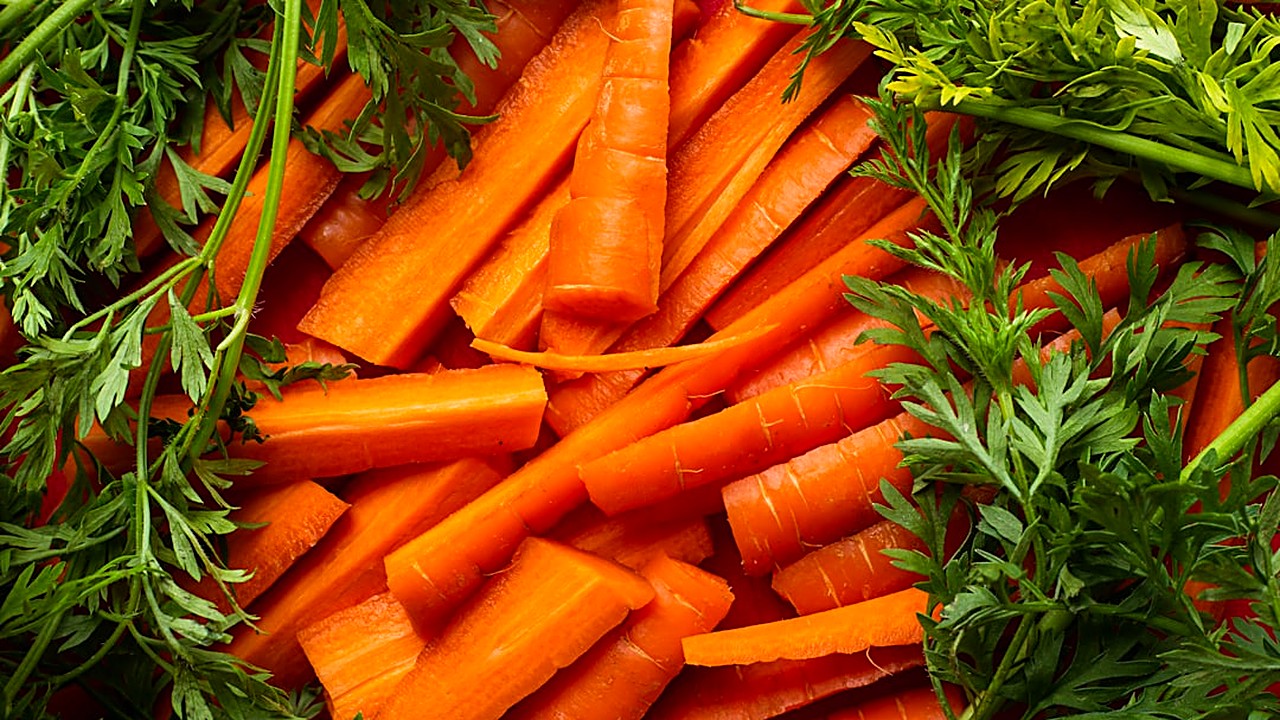
Raw carrots, celery, and apples are not just snacks. Their firm texture scrubs teeth and gums as you chew. This action removes some plaque before it hardens. It also increases saliva, which washes away food bits and bacteria. Saliva contains minerals that protect teeth and gums.
Carrots are especially helpful. One medium carrot has about 6 grams of fiber. Fiber makes you chew longer, which boosts saliva flow. Celery is 95% water, so it hydrates while it cleans. Apples have a mild acid that can kill some bacteria, but they also contain sugar. Rinse your mouth with water after eating apples to balance this.
Try this: keep a bag of baby carrots at your desk. Eat a few after lunch. Your teeth will feel cleaner, and your gums will stay firmer. This habit works best if you already brush twice daily. Food alone cannot replace brushing, but it makes your routine more effective.
Green tea: the bacteria fighter
Green tea is more than a warm drink. It contains compounds called catechins that fight bacteria in your mouth. These compounds reduce plaque and slow down harmful germs. People who drink green tea regularly often have less gum disease and fresher breath.
How much helps? One to two cups a day seems enough. Drink it unsweetened to avoid feeding bacteria. Hot green tea works best, but cold brew is fine too. Avoid adding sugar or honey, as they cancel out the benefits.
I once switched from black tea to green tea for a month. My dentist noticed less plaque during my check-up. The change was small but clear. Green tea also has fluoride, which strengthens teeth. It is a simple swap with big rewards for gums and teeth.
Nuts and seeds: crunchy gum strengtheners
Nuts and seeds are packed with nutrients that protect gums. They contain vitamin E, magnesium, and healthy fats. Vitamin E fights inflammation, which helps gums heal faster. Magnesium supports bone health, including the jawbone that holds teeth in place.
Almonds are a top choice. A handful (about 23 almonds) gives you 35% of your daily vitamin E. Walnuts have omega-3 fats that reduce gum swelling. Sunflower seeds are rich in folate, which helps repair tissues.
A practical tip: keep a small bag of mixed nuts in your bag or car. Eat a handful as a snack instead of cookies. Your gums will get stronger, and your energy will stay steady. Avoid salted or sugary nuts, as they can harm gums over time.
Fatty fish: omega-3 for gum repair
Fatty fish like salmon, mackerel, and sardines are rich in omega-3 fats. These fats reduce inflammation in the whole body, including gums. Omega-3 also helps your body fight infections, including gum infections. People who eat fish twice a week often have healthier gums.
One serving of salmon (about 100 grams) has 2.2 grams of omega-3. That is more than most people get in a week. If you do not eat fish, try flaxseeds or chia seeds. They have a plant version of omega-3, though it is less powerful.
Try baking salmon with lemon and herbs for an easy dinner. Add a side of steamed greens to double the gum benefits. Your gums will feel less tender, and your heart will thank you too.
Onions and garlic: natural antiseptics
Onions and garlic are not just for flavor. They contain compounds that kill bacteria in your mouth. Raw garlic has allicin, a strong antiseptic. Raw onions have sulfur compounds that stop bacteria growth. Eating them raw gives the most benefit.
Add thin slices of raw onion to salads or sandwiches. Use fresh garlic in dressings or dips. The taste is strong at first, but your gums will feel cleaner. Avoid cooked versions if possible, as heat reduces their germ-fighting power.
A patient once added raw onions to her meals daily. After two weeks, her gum bleeding stopped completely. She still brushes, but food made a noticeable difference. Remember, strong flavors can bother some people. Start with small amounts and see how your mouth reacts.
Dairy: calcium and protein for strong gums
Dairy foods like yogurt, cheese, and milk are rich in calcium and protein. Calcium keeps bones and teeth strong, including the jawbone that supports gums. Protein helps repair tissues if gums are damaged. Yogurt also contains probiotics, which are good bacteria that balance your mouth’s environment.
Choose plain yogurt without added sugar. Add fresh fruit or nuts for flavor. Hard cheeses like cheddar are great because they increase saliva flow. Saliva washes away food bits and bacteria, protecting gums.
Try eating a small piece of cheese after meals. It is a tasty way to protect your gums between brushes. If you are lactose intolerant, try lactose-free dairy or plant-based options with added calcium.
Foods to limit for healthier gums
Some foods feed the bad bacteria in your mouth. Sugar is the worst. Bacteria eat sugar and produce acid that attacks gums and teeth. Sticky foods like caramel and dried fruit cling to teeth, giving bacteria a long feast. Soft drinks and fruit juices are full of sugar and acid, which weaken enamel and irritate gums.
Alcohol dries out your mouth. Less saliva means more bacteria survive and grow. Acidic foods like lemons and tomatoes can erode enamel if eaten too often. They do not directly cause gum disease, but weak enamel makes gums more vulnerable.
Instead of sugary snacks, choose nuts, cheese, or crunchy vegetables. Swap soda for water or unsweetened tea. If you eat sweets, do it right after a meal when saliva flow is higher. Rinse your mouth with water afterward to wash away sugar.
Simple meal ideas for gum health
Breakfast: Greek yogurt with berries and a handful of almonds. The yogurt gives calcium and probiotics. Berries add vitamin C. Almonds provide vitamin E. This combo supports gums from the first meal.
Lunch: Grilled salmon salad with spinach, bell peppers, and sunflower seeds. Salmon has omega-3. Spinach is rich in vitamin C. Bell peppers add more vitamin C. Sunflower seeds give folate and magnesium. This meal covers many gum-friendly nutrients.
Snack: Carrot sticks with hummus. Carrots clean teeth and gums. Hummus adds protein and fiber. This snack is easy to prepare and keeps you full.
Dinner: Baked chicken with steamed broccoli and quinoa. Chicken has protein for tissue repair. Broccoli is packed with vitamin C. Quinoa adds fiber and minerals. This balanced meal supports overall health, including gums.
Dessert: A small orange or a few strawberries. Both are high in vitamin C. They satisfy sweet cravings naturally. Eat them fresh to get the most nutrients.
Hydration: the silent gum helper
Water is the simplest tool for gum health. It washes away food bits and bacteria. It keeps your mouth moist, so saliva can do its job. Dry mouth is a common cause of bad breath and gum problems. Drink water throughout the day, not just when you are thirsty.
Herbal teas like chamomile or peppermint also help. They soothe gums and reduce inflammation. Avoid sugary drinks, as they feed bacteria and harm gums. If you drink coffee or tea, rinse your mouth with water afterward to balance acidity.
A practical tip: keep a water bottle with you always. Sip regularly, even if you are not thirsty. Your gums will stay cleaner and healthier with this easy habit.
Frequently asked questions
Can eating certain foods really prevent gum disease?
Some foods can help reduce the risk of gum disease by fighting bacteria, reducing inflammation, and providing nutrients that strengthen gums. However, they work best when combined with good oral hygiene like brushing, flossing, and regular dental check-ups. Food alone cannot guarantee prevention.
How much vitamin C do I need daily for healthy gums?
Adults need about 75 to 90 milligrams of vitamin C each day. One medium orange or half a cup of red bell pepper can meet this need. Eating vitamin C foods daily helps keep gums strong and reduces bleeding.
Is green tea better than black tea for gum health?
Green tea has compounds called catechins that fight bacteria in the mouth. Black tea has some benefits too, but green tea is usually stronger for oral health. Drinking one to two cups of unsweetened green tea daily may help reduce plaque and gum inflammation.
Are nuts good for gums if I have sensitive teeth?
Nuts are nutritious but can be hard on sensitive teeth. Choose softer nuts like cashews or almonds soaked in water to soften them. Chew slowly and rinse your mouth after eating. If nuts cause pain, try seeds like sunflower or pumpkin instead.
What should I drink besides water to help my gums?
Herbal teas like chamomile or peppermint can soothe gums and reduce inflammation. Milk and lactose-free dairy drinks provide calcium and protein. Avoid sugary drinks and sodas, as they feed harmful bacteria and can harm gums over time.
*This article is for general information only and is not medical or dental advice. Talk to a healthcare or dental professional about your situation.*
Simple health wins in your inbox. No hype.
Educational content, not medical advice. Talk to your doctor before making health decisions.