Does Your Phone Keep You Awake? What Blue Light Really Does
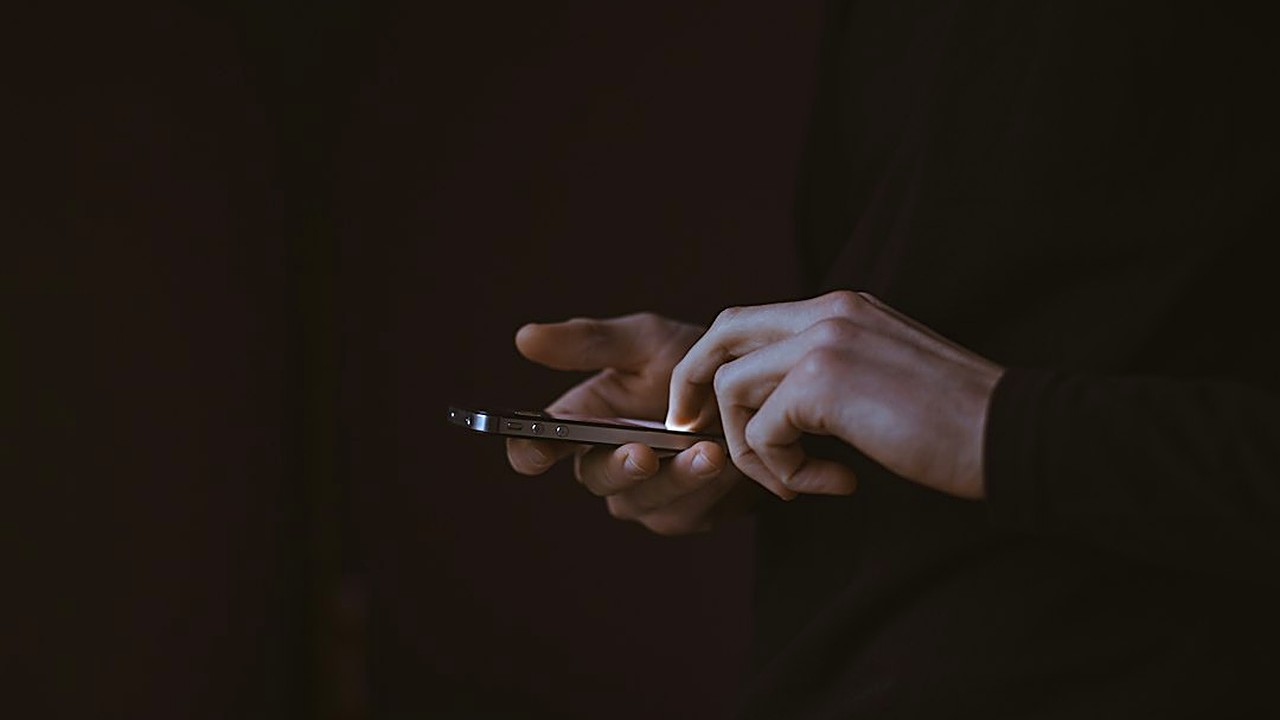
Quick answer: Blue light from phones can delay melatonin and make it harder to fall asleep, but the alert state from scrolling and messaging is usually a bigger factor. Stop screens 30 to 60 minutes before bed and keep the phone out of reach. If trouble sleeping lasts for weeks, see a doctor.↗ Share on X
Yes, blue light from your phone can make it harder to fall asleep, but it is usually not the biggest problem. Blue light tells your brain it is still daytime, which can delay the release of melatonin, the hormone that makes you feel sleepy. The bigger issue for most people is what they do on the phone: scrolling, reading messages and watching videos keep the mind alert long after the screen goes dark. The fix is simple to describe and harder to stick with: put the phone away 30 to 60 minutes before bed, keep it out of reach, and give your brain a calm, boring routine instead.
The rest of this article explains how it works, what helps, what does not, and a step-by-step plan you can start tonight.
How does blue light affect your sleep?
 Nighttime Racing Mind: Why It Happens and How to Slow It Down →
 How to Use Baking Soda Safely to Reduce Gum Bleeding →
 Dry Mouth Waking You at Night? 10 Fixes to Try Before Bed →
Your body runs on an internal clock. Light is the main signal that sets it. During the day, bright light, especially the blue part of the light spectrum, tells your brain "stay awake." When the light fades in the evening, your brain starts releasing melatonin and you begin to feel drowsy.
Phone screens, tablets, laptops and many LED bulbs give off a fair amount of blue light. When you hold a bright screen close to your face at night, your brain can read that as a small dose of daytime. The result can be:
- melatonin rising later than it should
- feeling "wired" instead of tired at bedtime
- taking longer to fall asleep
- a body clock that slowly drifts later over weeks
A phone is much dimmer than sunlight or a bright room. So the light alone is often a modest effect. That is why the next section matters more.
Simple health wins in your inbox. No hype.
Is it the light or the scrolling that keeps you awake?
Affiliate link. We may earn a commission on purchases, at no extra cost to you.
This content is informational and is not a substitute for medical advice. Supplements do not cure or treat diseases.
For most people, it is both, and the scrolling usually wins. Think about what happens in a typical late-night phone session:
1. You open one app "just for a minute."
2. A video ends and the next one starts on its own.
3. A message arrives and you feel you need to answer.
4. You read news or social posts that make you anxious, angry or excited.
5. You look at the clock, see it is late, and start worrying about how tired you will be tomorrow.
Every one of those steps wakes up your brain. Apps are designed to keep you watching, and that works against sleep. Even a perfectly blue-free screen would still keep you up if you are arguing in a comment section at midnight.
There is also the "just one more" effect. Time on the phone pushes bedtime later without you noticing. You may think the phone is stopping you from falling asleep, when in fact it is stopping you from trying.
Does night mode or a blue light filter fix the problem?
 Weighted Blankets for Sleep: How to Use One the Right Way →
 Natural Remedies for Insomnia: A Step-by-Step 2-Week Plan →
 Waking Up at 3am Every Night? The Real Causes and Fixes →
Night mode (also called Night Shift, Eye Comfort or blue light filter) turns your screen warmer and more orange. It cuts some blue light. It is a good idea, and it costs nothing to turn on.
But do not expect it to solve sleep problems by itself. It does nothing about the alert, engaged state that comes from using the phone. Here is a quick comparison of common options:
| Option | What it does | How much it helps | Cost |
|---|---|---|---|
| Night mode / warm screen | Reduces blue light from the screen | A little; easy first step | Free |
| Lowering screen brightness | Reduces total light reaching your eyes | A little; combine with night mode | Free |
| Blue light blocking glasses | Filter blue light from all sources | Mixed evidence; may help some people | Low to moderate |
| Phone out of the bedroom | Removes light and the urge to scroll | Usually the biggest change | Free |
| Screen-free wind-down routine | Gives the brain time to slow down | Strong habit for most people | Free |
The pattern is clear: the free habits that keep the phone away tend to do more than the gadgets that keep you using it.
How long before bed should you stop using your phone?
A common recommendation is to stop screens 30 to 60 minutes before bed. If you have serious trouble falling asleep, aim for the full hour. If an hour feels impossible, start with 15 minutes and add 5 minutes every few nights.
What matters most is consistency. A screen-free buffer every night trains your brain to link that time with sleep.
What should you do instead of scrolling?
The goal is to fill the last part of your evening with things that are calm, low-light and a little boring. Some ideas:
- read a paper book or magazine under a warm, dim lamp
- take a warm shower
- stretch gently for 5 to 10 minutes
- write tomorrow's to-do list on paper so your mind can let it go
- listen to a podcast or calm music with the screen turned off
- prepare clothes and lunch for the next day
- do slow breathing: breathe in for 4 counts, out for 6 counts, for a few minutes
If you use your phone as an alarm, that is fine. Set the alarm, then put the phone face down across the room or outside the bedroom. Having to get up to turn it off also helps you get out of bed in the morning.
A 7-night plan to break the bedtime phone habit
Changing a habit all at once usually fails. Try this step-by-step plan instead:
1. Night 1: Turn on night mode with an automatic schedule, starting 2 hours before your usual bedtime. Lower the brightness.
2. Night 2: Pick a fixed "phone off" time. Set a daily reminder for it.
3. Night 3: Move the phone charger out of reach of the bed, ideally to another room.
4. Night 4: Turn off non-urgent notifications at night, or use Do Not Disturb with exceptions only for family.
5. Night 5: Replace the first 15 minutes after "phone off" with one calm activity from the list above.
6. Night 6: Dim the lights in your home an hour before bed. Use lamps instead of bright ceiling lights.
7. Night 7: Review the week. Note which nights you fell asleep faster and what you did differently.
Keep the steps that worked. Drop the ones that did not fit your life. Small changes you can keep beat a perfect plan you quit.
What if you put the phone away and still can't sleep?
Sometimes the phone is not the main cause. Other common reasons people struggle to fall asleep include:
- caffeine late in the day (coffee, tea, energy drinks, some sodas)
- alcohol, which can make you sleepy at first but disturbs sleep later in the night
- naps that are long or late in the afternoon
- going to bed at very different times each night
- stress, worry or a racing mind
- a bedroom that is too warm, too bright or too noisy
- pain, frequent bathroom trips or breathing problems
If you lie awake for what feels like 20 minutes or more, get up. Go to another room, keep the lights low, and do something quiet until you feel sleepy. Then go back to bed. Lying in bed frustrated teaches your brain that the bed is a place for worrying, not sleeping. And do not reach for the phone during this time; that only restarts the cycle.
When should you see a doctor about trouble sleeping?
Changing your phone habits is a reasonable first step, but it is not a treatment for a medical sleep problem. Talk to a doctor or a sleep specialist if:
- you have trouble falling or staying asleep most nights for several weeks
- poor sleep affects your work, driving, mood or relationships
- someone tells you that you snore loudly, gasp or stop breathing during sleep
- you feel very sleepy during the day even after a full night in bed
- you have strong urges to move your legs at night
- you feel low, hopeless or very anxious most days
These can be signs of conditions such as insomnia disorder, sleep apnea, restless legs or depression, which need a professional to diagnose. A doctor can also check whether any medicine you take is affecting your sleep. Do not start or stop sleep medication or supplements, including melatonin, without asking a doctor or pharmacist, especially if you are pregnant, take other medicines or are buying for a child.
Does blue light affect kids and teens differently?
Children and teenagers are often more sensitive to light at night, and teens already have a natural tendency to feel sleepy later. Add a phone in bed, group chats and games, and bedtime can slide very late.
Practical rules many families use:
- phones and tablets charge in a common area, not in bedrooms
- the same screen-off time for everyone in the house, parents included
- no screens during the last hour before bed on school nights
Leading by example works better than rules alone. If the adults scroll in bed, the kids will notice.
Your next step
Tonight, do two things only: set an automatic night mode schedule and move your phone charger out of reach of your bed. Keep a short note each morning for one week with the time you put the phone down and how long it took you to fall asleep. At the end of the week, you will know whether your phone was the real problem, and if poor sleep continues despite these changes, take that note to your doctor. It gives them exactly the kind of detail they need to help you.
FAQ
Does night mode stop blue light from affecting sleep?
Night mode reduces some blue light and is worth turning on, but it does not stop the mental stimulation from using the phone. Putting the phone away before bed usually helps more.
How long before bed should I stop looking at my phone?
A common recommendation is 30 to 60 minutes. If that feels hard, start with 15 minutes and add a little more every few nights.
Do blue light glasses help you sleep?
The evidence is mixed. Some people find them helpful, but they do not replace a screen-free wind-down routine. If sleep problems continue, talk to a doctor.
Simple health wins in your inbox. No hype.
Educational content, not medical advice. Talk to your doctor before making health decisions.