Best Low‑Glycemic Fruits to Keep Morning Blood Sugar Stable
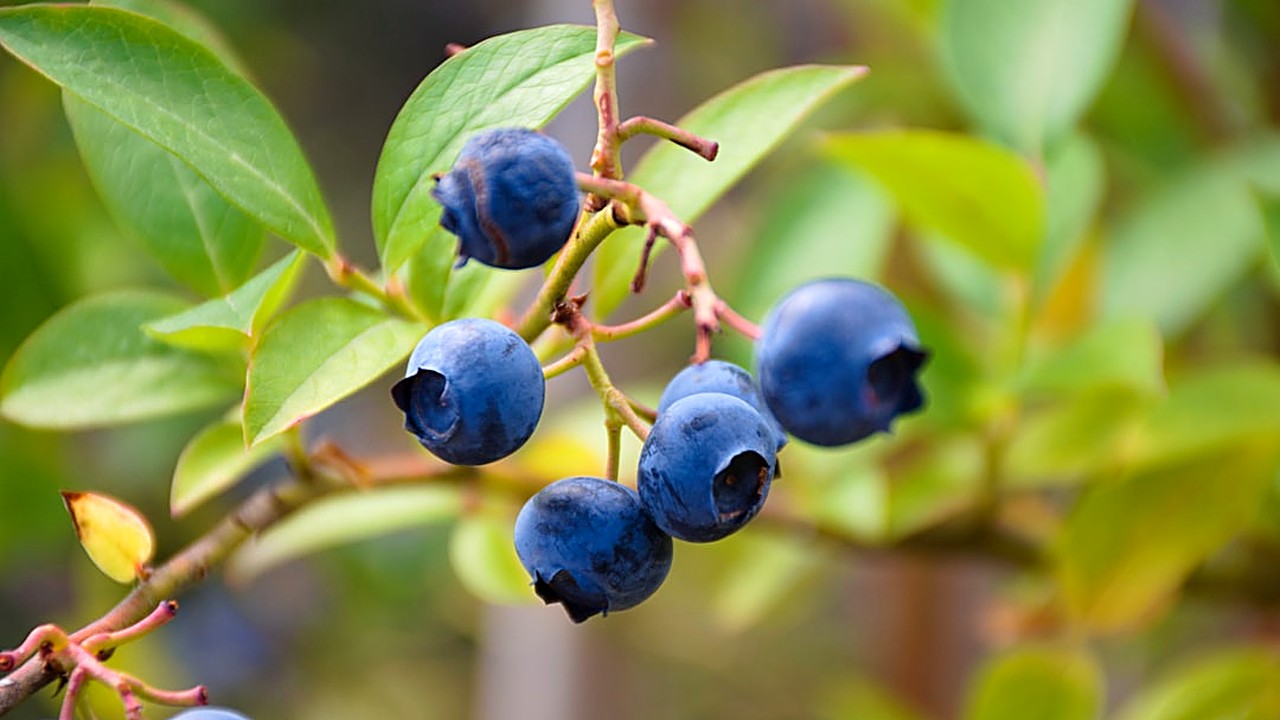
Quick answer: Fruits such as berries, cherries, apples, pears, and kiwi have low glycemic indexes and can help keep morning blood sugar steady. Choose fresh or frozen options, pair them with protein or healthy fat, and enjoy a modest portion (about one cup) as part of a balanced breakfast.↗ Share on X
Understanding Glycemic Impact of Fruit
 Nighttime Racing Mind: Why It Happens and How to Slow It Down →
 Does Drinking Water Actually Lower Blood Sugar Fast? →
 High Blood Sugar in the Morning? 5 Causes and What Helps →
The glycemic index (GI) measures how quickly a food raises blood sugar. Foods with a GI of 55 or lower are considered low. Fruit naturally contains sugar, but the fiber, water, and natural acids slow absorption. This means a low‑glycemic fruit can raise blood sugar more gently than a high‑glycemic snack like a donut.
Research shows that a low‑glycemic fruit can produce a smaller spike and a slower decline, which many people find helpful for staying alert and avoiding cravings before lunch. The exact effect varies with portion size, ripeness, and what you eat together. For example, a ripe banana may have a higher GI than a slightly green one.
I have watched many readers try different fruits in the morning. Those who added a handful of berries to their oatmeal often reported steadier energy through the mid‑morning hours. The key is to keep the portion modest and combine it with protein or fat.
Simple health wins in your inbox. No hype.
Top Low‑Glycemic Fruits
Affiliate link. We may earn a commission on purchases, at no extra cost to you.
This content is informational and is not a substitute for medical advice. Supplements do not cure or treat diseases.
| Fruit | Approx. GI | Typical Serving | Key Nutrients |
|---|---|---|---|
| Strawberries | 40 | 1 cup (150 g) | Vitamin C, folate |
| Blueberries | 53 | 1 cup (150 g) | Antioxidants, fiber |
| Cherries | 22 | 1 cup (150 g) | Potassium, melatonin |
| Apples (with skin) | 38 | 1 medium (180 g) | Fiber, vitamin C |
| Pears (with skin) | 38 | 1 medium (170 g) | Fiber, copper |
| Kiwi | 52 | 2 medium (140 g) | Vitamin C, potassium |
| Plums | 39 | 2 medium (150 g) | Vitamin K, fiber |
| Grapefruit | 25 | ½ medium (100 g) | Vitamin A, vitamin C |
These fruits stay below the low‑glycemic threshold and provide a range of vitamins and antioxidants. Choose fresh, frozen, or even dried (unsweetened) versions, but watch the portion size for dried fruit because the sugar is more concentrated.
Pairing Fruit with Protein or Fat
 How to Lower A1C Naturally: 6 Daily Habits That Work →
 Normal Blood Sugar Levels by Age: Charts and Warning Signs →
 Foods That Lower Blood Sugar: What to Eat First at Meals →
Eating fruit alone can still cause a modest rise in blood sugar. Adding protein or healthy fat blunts the rise and prolongs satiety. Good pairings include:
- Greek yogurt with berries – the protein slows sugar entry.
- Cottage cheese with sliced pear – the casein protein adds a creamy texture.
- Almond butter spread on apple slices – the fat and protein together keep glucose stable.
- A handful of nuts with kiwi – the nuts supply healthy fats and a crunch.
In my own kitchen, I often mix a quarter cup of plain Greek yogurt with a half cup of blueberries. The combination feels satisfying and keeps my mid‑morning hunger at bay.
Practical Tips for Morning Routine
1. Prep ahead – Wash and portion berries in zip‑lock bags the night before. This saves time and reduces the temptation to skip fruit.
2. Watch ripeness – Slightly underripe fruit often has a lower GI. If you prefer sweeter taste, pair it with a protein source to offset the rise.
3. Mind the sauce – Avoid fruit syrups or sweetened canned fruit. Choose water‑packed or fresh options.
4. Stay hydrated – A glass of water with fruit helps digestion and may lessen a rapid glucose surge.
5. Listen to your body – Some people feel better with a small fruit portion, while others need a larger serving. Adjust based on how you feel after 2‑3 hours.
Summary and Takeaway
Low‑glycemic fruits such as berries, cherries, apples, pears, and kiwi can be part of a steady‑blood‑sugar breakfast when eaten in modest portions and paired with protein or healthy fat. The fiber and natural acids in these fruits help slow sugar absorption, while the added protein or fat further steadies the rise. Personal experience shows that a simple combination – like yogurt with blueberries – can make mornings smoother and keep cravings low.
Remember: Individual responses vary. Use these guidelines as a starting point, and track how your body reacts.
This article is for general information only and is not medical advice. Talk to a healthcare professional before making changes to your diet, supplements, or medication.
Frequently asked questions
Can I eat any fruit in the morning and still keep blood sugar stable?
Not all fruits have the same effect. Low‑glycemic options like berries, apples, and kiwi are better choices. High‑glycemic fruits such as ripe bananas or mango may cause a quicker rise, especially if eaten alone.
How much fruit should I eat at breakfast?
A typical serving is about one cup of berries or one medium apple or pear. This amount usually provides fiber and nutrients without overwhelming the blood‑sugar response.
Is it okay to use dried fruit?
Dried fruit can be used, but it is more concentrated in sugar. Choose unsweetened varieties and keep the portion small – about a quarter cup.
Do I need to pair fruit with protein every day?
Pairing fruit with protein or healthy fat often helps smooth the blood‑sugar curve, but it is not mandatory. If you notice a quick spike, adding protein may improve the response.
Will the glycemic index change if the fruit is frozen?
Freezing does not significantly change the GI. Frozen berries retain the same low‑glycemic profile as fresh ones, making them a convenient option.
*This article is for general information only and is not medical advice. Talk to a healthcare professional before making changes to your diet, supplements, or medication.*
Simple health wins in your inbox. No hype.
Educational content, not medical advice. Talk to your doctor before making health decisions.